Home / Products / 2D Shapes & Sheets
Fabrication

2D Shapes& Sheets

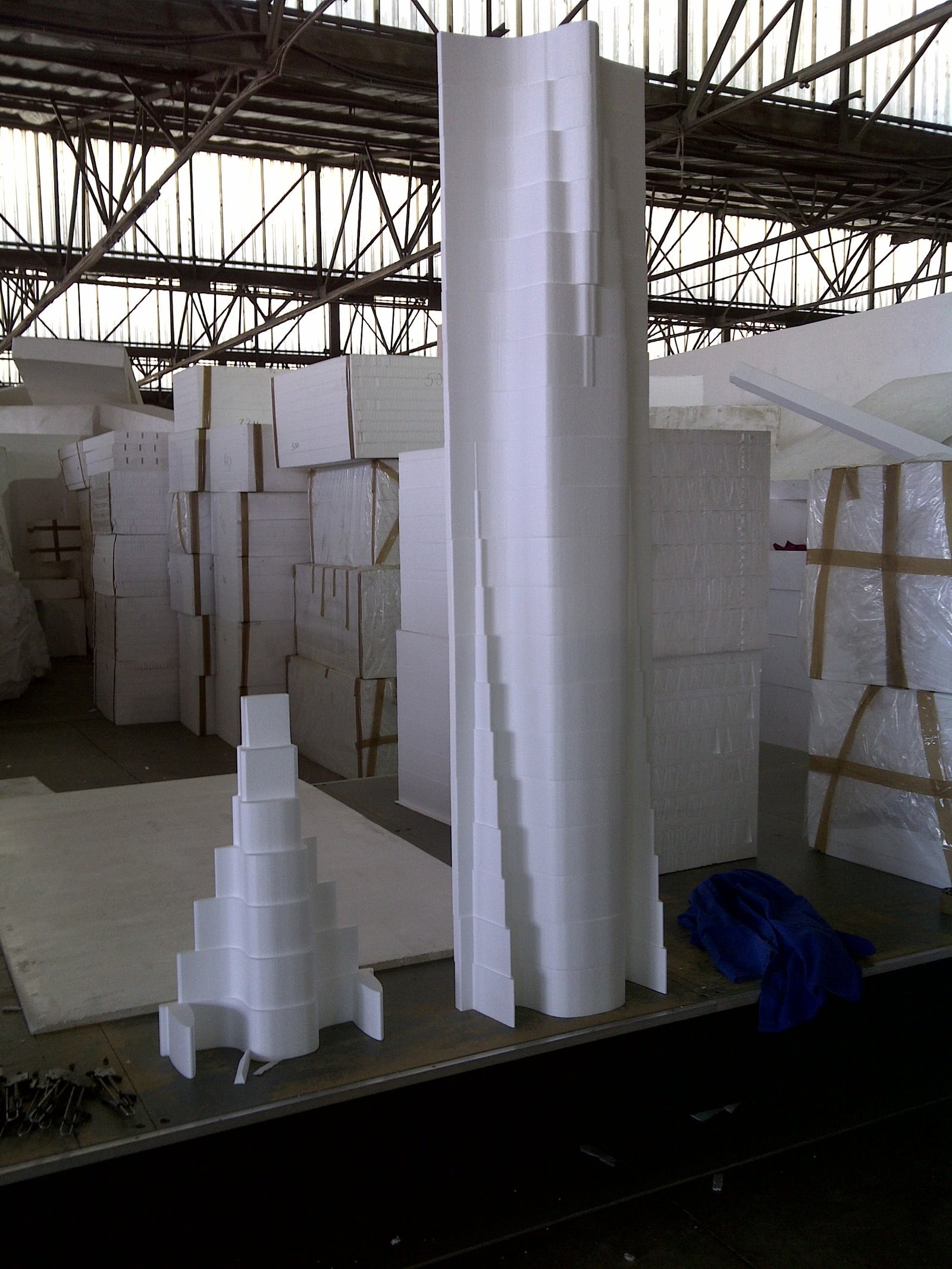
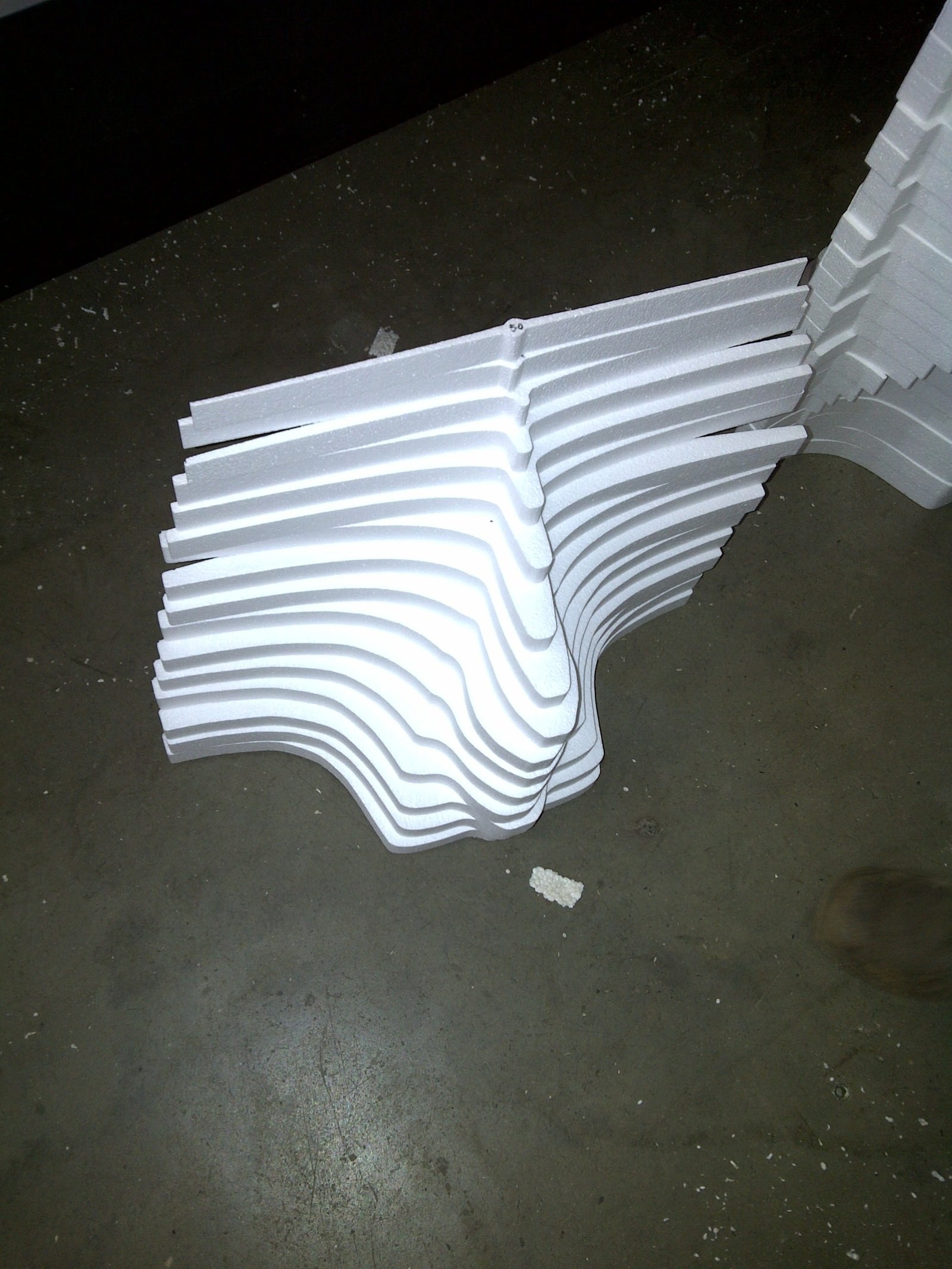
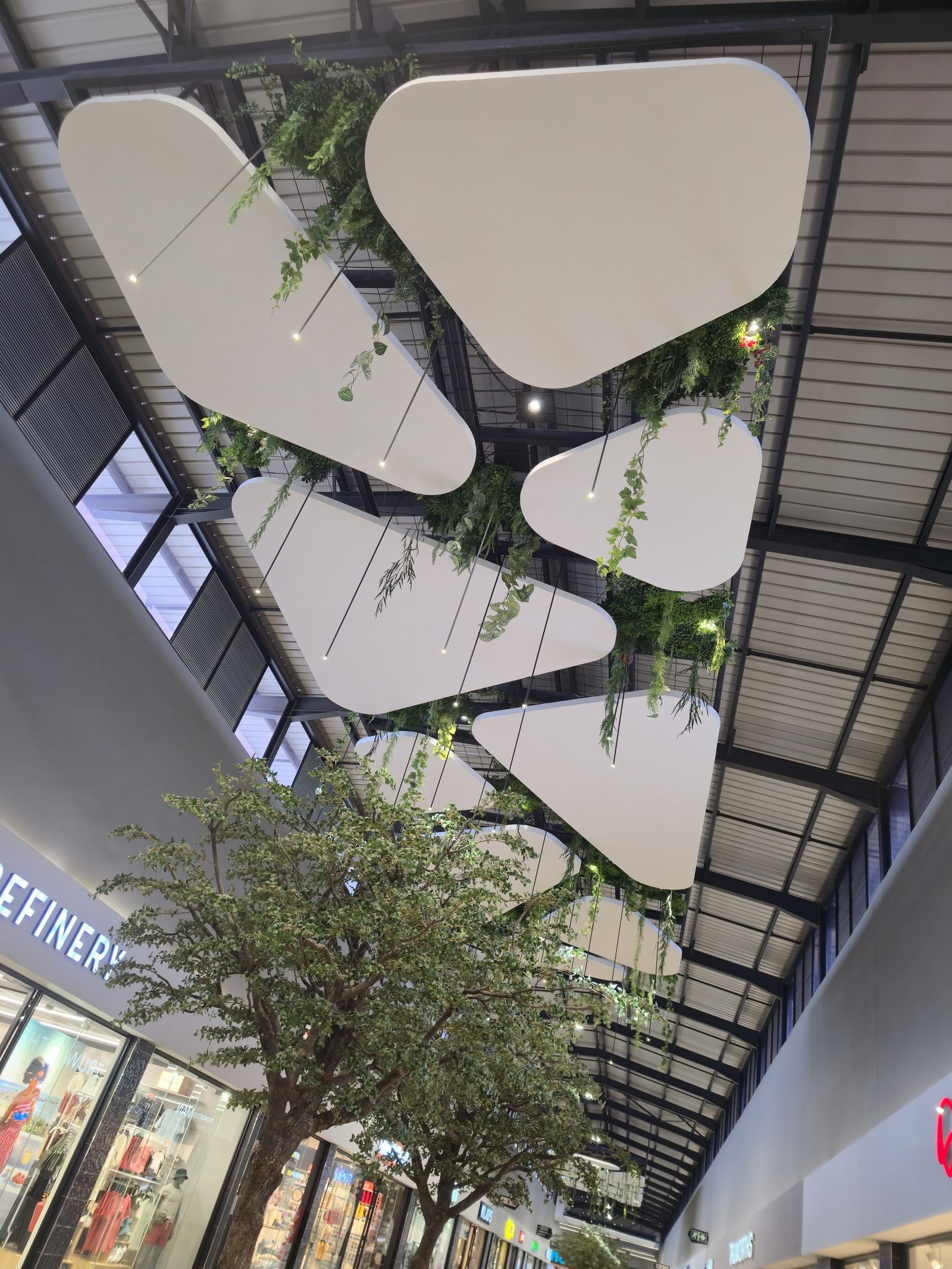
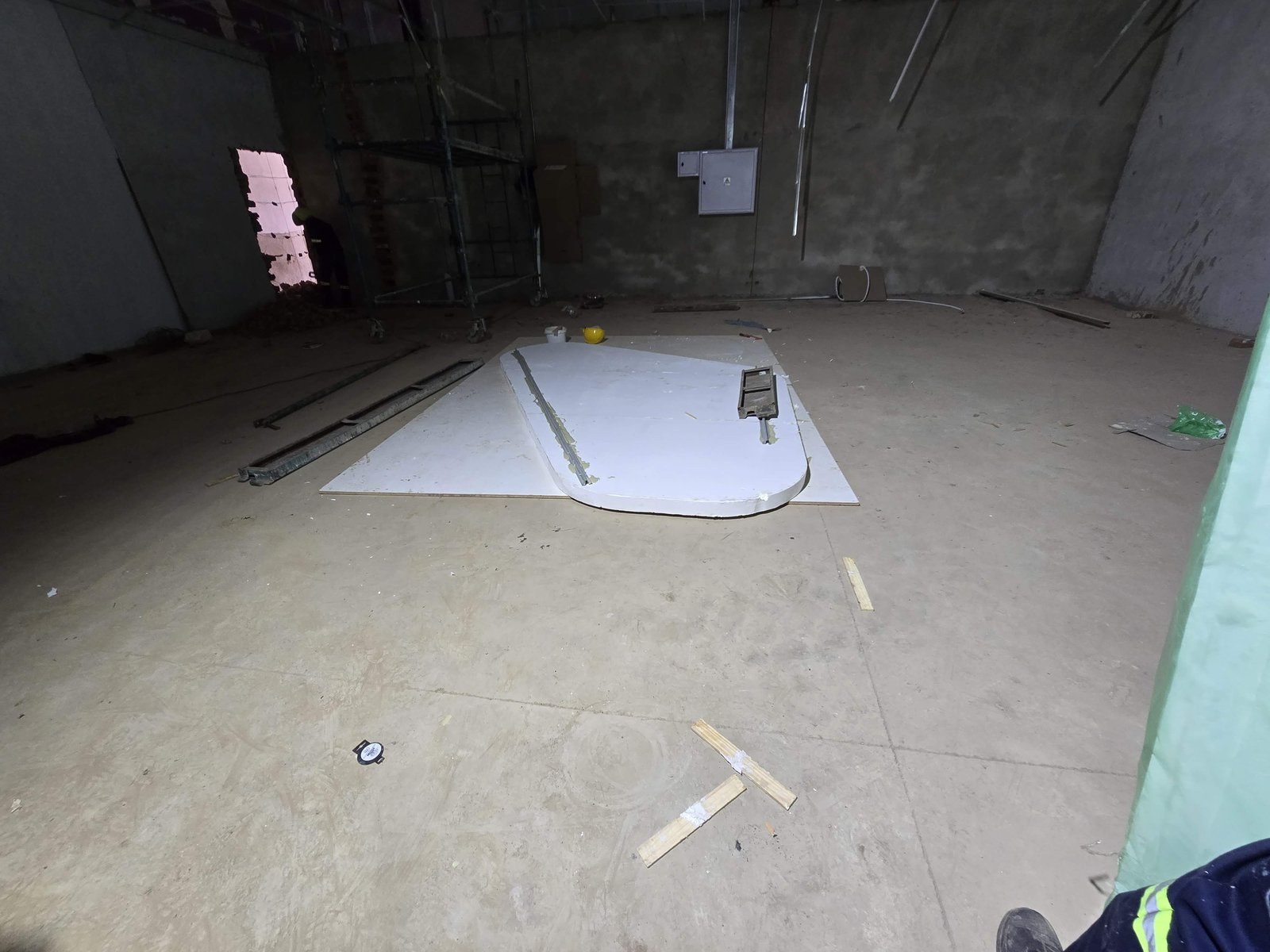
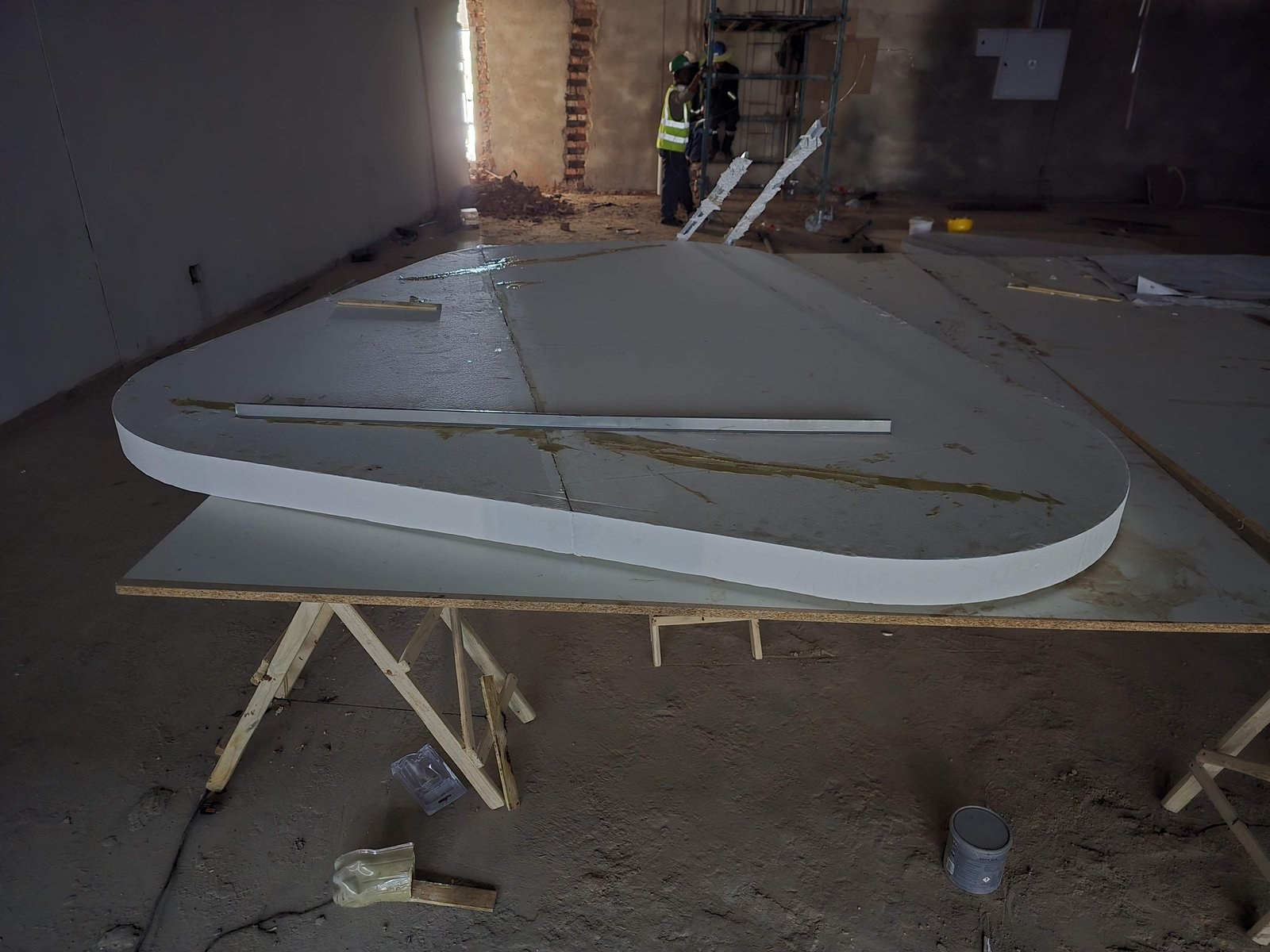
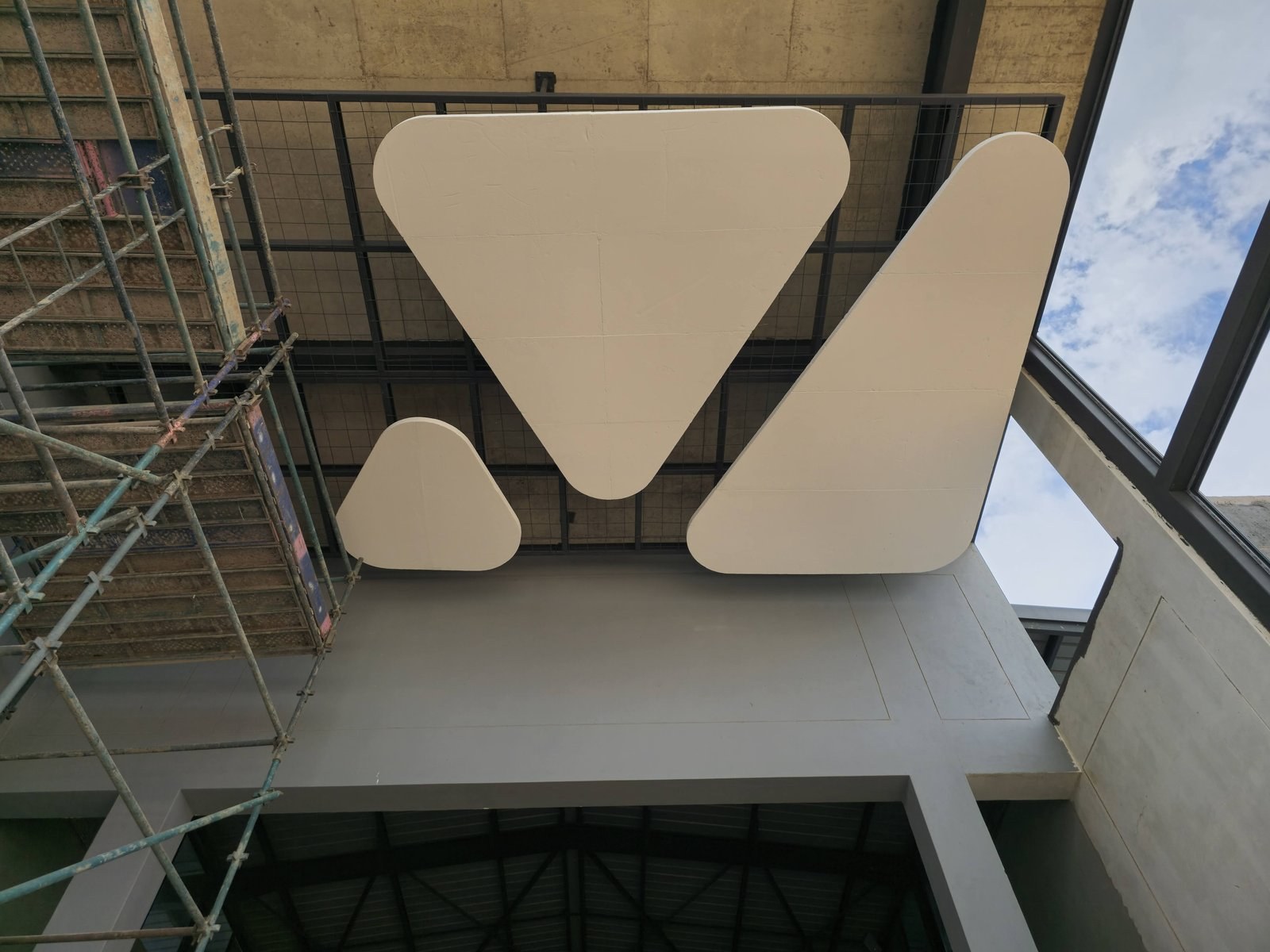
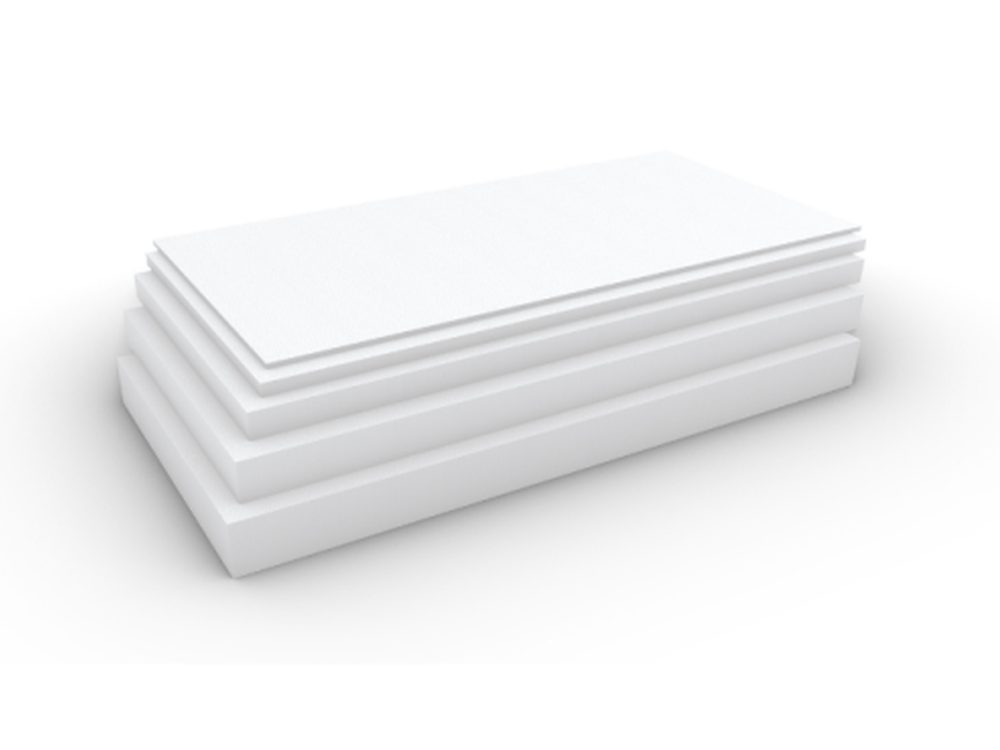
Hot-wire cut EPS sheets and 2D profiles to any drawing.

Kit queued

2D Shapes & Sheets
Technical documentation

The 2D Shapes & Sheets kit

Brochure, design guide, engineering specification, CAD details and an interactive calculator.

PDF
Product brochureIn preparation.
Coming soon
PDF
Technical design guideFull design guidance, worked examples, standards references.
Download
PDF
Engineering specificationClause-referenced specification text for your tender documents.
Download
DWG
CAD detailsIn preparation.
Coming soon
APP
Interactive calculatorIn preparation.
Coming soon
At a glance

Key specifications

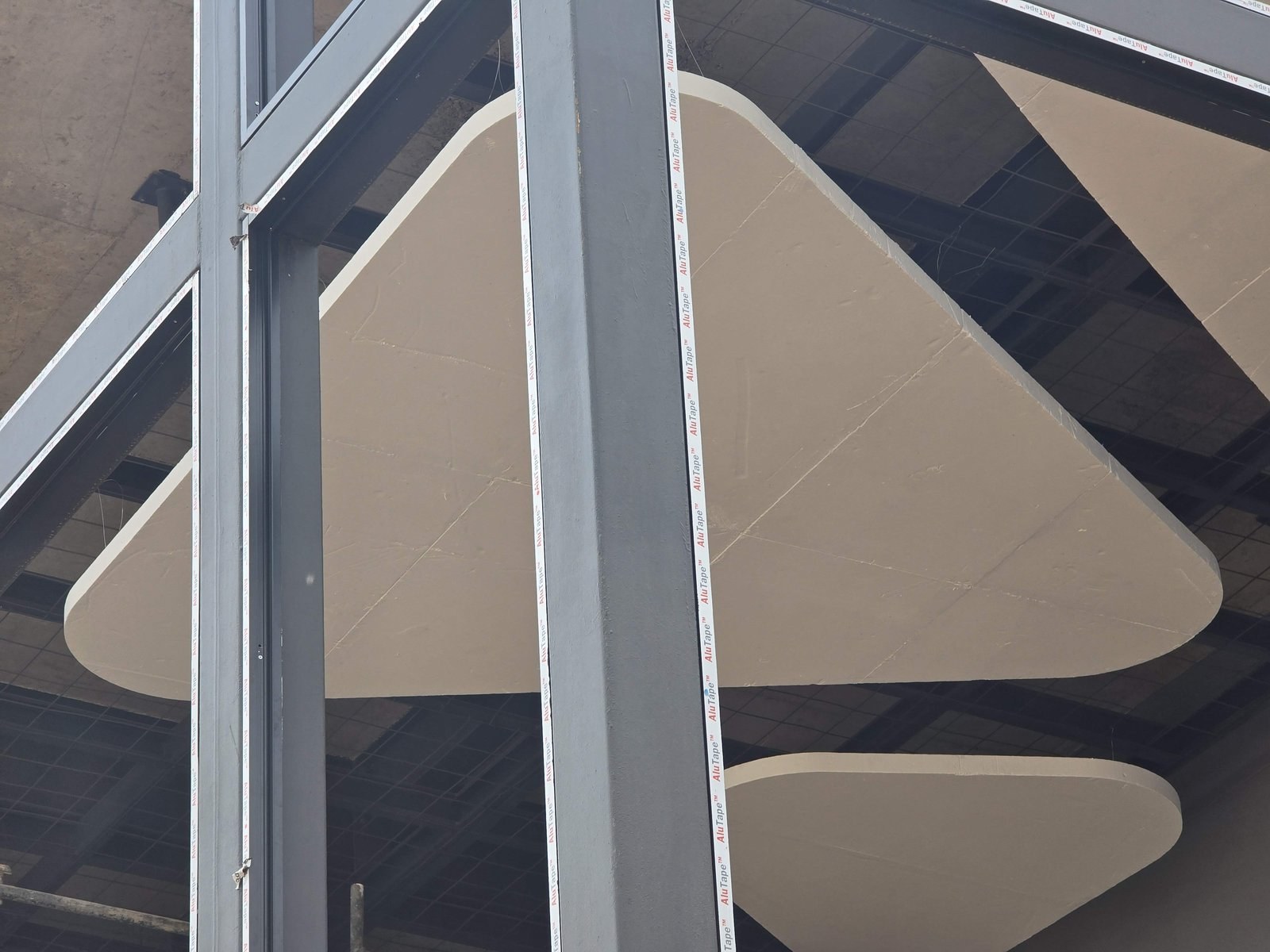
2D Shapes & Sheets is Technopol's custom CNC hotwire-cut expanded polystyrene (EPS) service — flame-retardant EPS cut to any 2D profile or cut-to-size sheet from a supplied drawing, in standard EPS grades from 12 to 30 kg/m³.

PropertyValueStandard
Product / build-upCustom CNC hotwire-cut 2D shapes & cut-to-size sheets, from flame-retardant EPS (cut to order, not stocked)
Nominal density (standard grades)12–30 (plus 27 cornice grade) kg/m³
Thermal conductivity (λ) at 10 °C0.033–0.045 W/m·K
Compressive stress at 10% compression60–200 kPa (min)
Reaction-to-fire classB-s1,d0 (Class B)SANS 53501-1 (EN 13501-1)
Cut-size limits (max length × width; thickness)3000 × 1240; thickness 10–1030 mm
Standards & certificationsFire tested to SANS 53501-1 / SANS 53823 (SBI) / SANS 11925-2 (ignitability); company ISO 9001:2015 (ISO 14001 & 45001 lapsed Mar 2026, recertification in progress); Agrément SA 2020/609 (covers the LiteCore Building System only)SANS 53501-1

Grade-dependent: thermal conductivity, density and compressive strength vary by EPS grade (12 / 15 / 16 / 20 / 24 / 30 kg/m³). Best λ (0.033 W/m·K) and highest strength (200 kPa) are the EPS30 grade; the weakest end (0.045 W/m·K, 60 kPa) is EPS12. Confirm the specified grade. Fire scope: B-s1,d0 was determined on plain expanded polystyrene per SANS 53501-1, using the SBI test (SANS 53823) and ignitability (SANS 11925-2), at Ignis Testing Laboratory, Cape Town (tested Aug 2023, DJ Streicher Pr Eng 880107). The same FR-EPS is also rated B1 to SANS 10177-11 for thickness <120 mm. This is a reaction-to-fire classification of the material only — it is NOT a fire-resistance (REI) rating and not an assembly rating. Agrément SA 2020/609 is a company/product-range certification; no document in the corpus confirms its scope specifically covers plain cut EPS shapes/sheets (it is associated with Technopol's certified systems such as LiteCore/EIFS).

Values from Technopol technical documentation. Confirm the exact figures for your specification with Technopol.

Applications

Where this product is used

The same product does a different job in each of these assemblies — each page states the target, the clause and the limits.

Inverted (Protected-Membrane) RoofGeofoam Lightweight Civil Fill

Every number, its source

Performance data & provenance

Each figure is labelled with how we know it — a named in-validity test, a supplier value, an in-house calculation, or a test whose validity has expired.

PropertyValueStandardSource reportStatus
Nominal density (standard grades)12–30 kg/m³Provisional
Thermal conductivity λ @10°C0.033–0.045 W/m·KProvisional
Compressive stress @10%60–200 kPaProvisional
Reaction-to-fire classB-s1,d0SANS 53501-1IT 23-08-00009Verified

Labels are defined on our data promise; every source report is on the test-report register.

The limits

Where not to use this

A material specified for the wrong job fails you, then us. We would rather lose the order.

Parts bigger than the cutting envelope — anything over 3000 × 1240 mm, or thicker than 1030 mm (PROVISIONAL).
The hotwire beds cut to those limits; larger forms have to be built up from segments with joints, and those joint lines telegraph through thin paint and skim coats.
→ Design the part in segments with the joints deliberately placed on a shadow line or a natural break, or hand it to the 3D-milling service (../../products/3d-milling/) where puzzle-jointed builds are the standard approach.
Finishing with solvent-based paints, lacquers, contact adhesives, polyester resin or aerosol spray cans.
Aromatic solvents dissolve EPS on contact — the surface pits and craters within minutes, and the damage is not repairable in a way that survives a close-up shot.
→ Water-based, EPS-safe primers, coatings and adhesives; or seal the surface with a compatible hard coat (e.g. a Terraco-type render) FIRST, and only then use a solvent-based topcoat. Always test on an offcut.
Signage, letters, props or profiles left outdoors uncoated, and any part expected to carry sustained load or sit against a hot surface.
EPS degrades under prolonged UV, creeps under sustained load beyond its ~1% strain limit (safe working load 15–100 kPa by grade, PROVISIONAL) and softens above roughly 70–80 °C — it is a shaping medium, not a weathering or load-bearing one.
→ Hard-coat or render every outdoor part; for structural or heat-exposed parts use timber, ply or a machinable tooling board.
Where it has been used

Project references

2D Shapes & Sheets

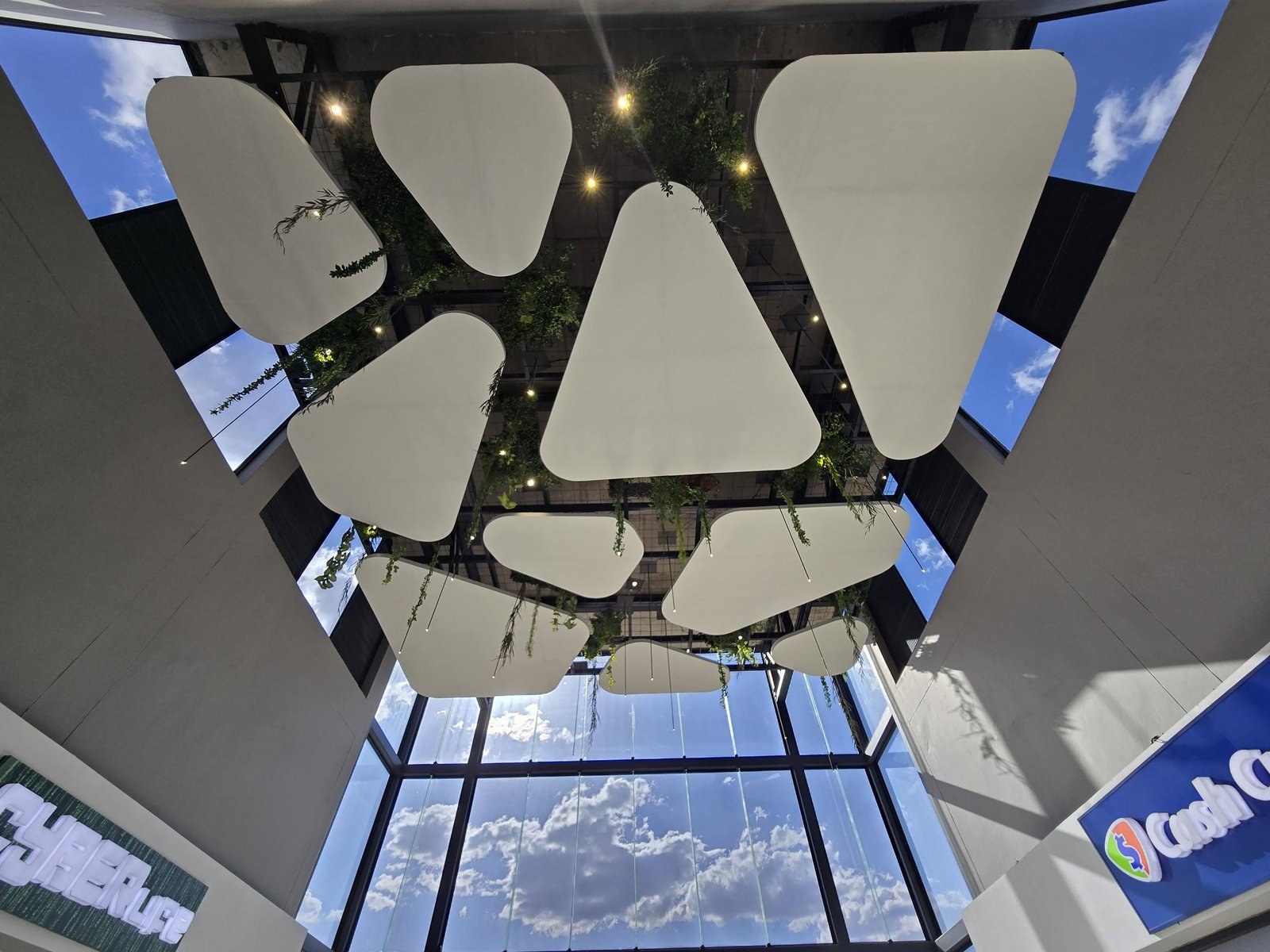
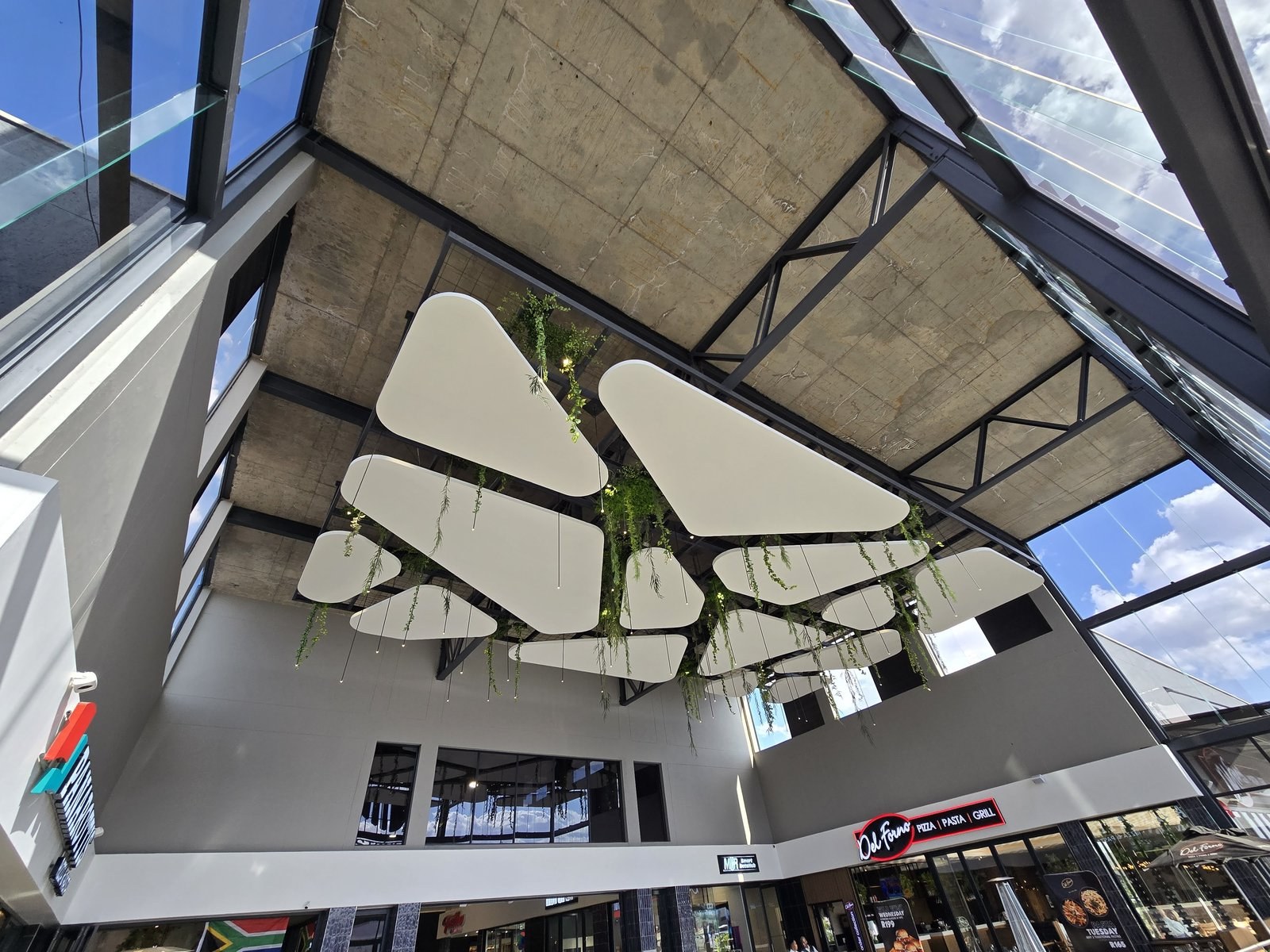
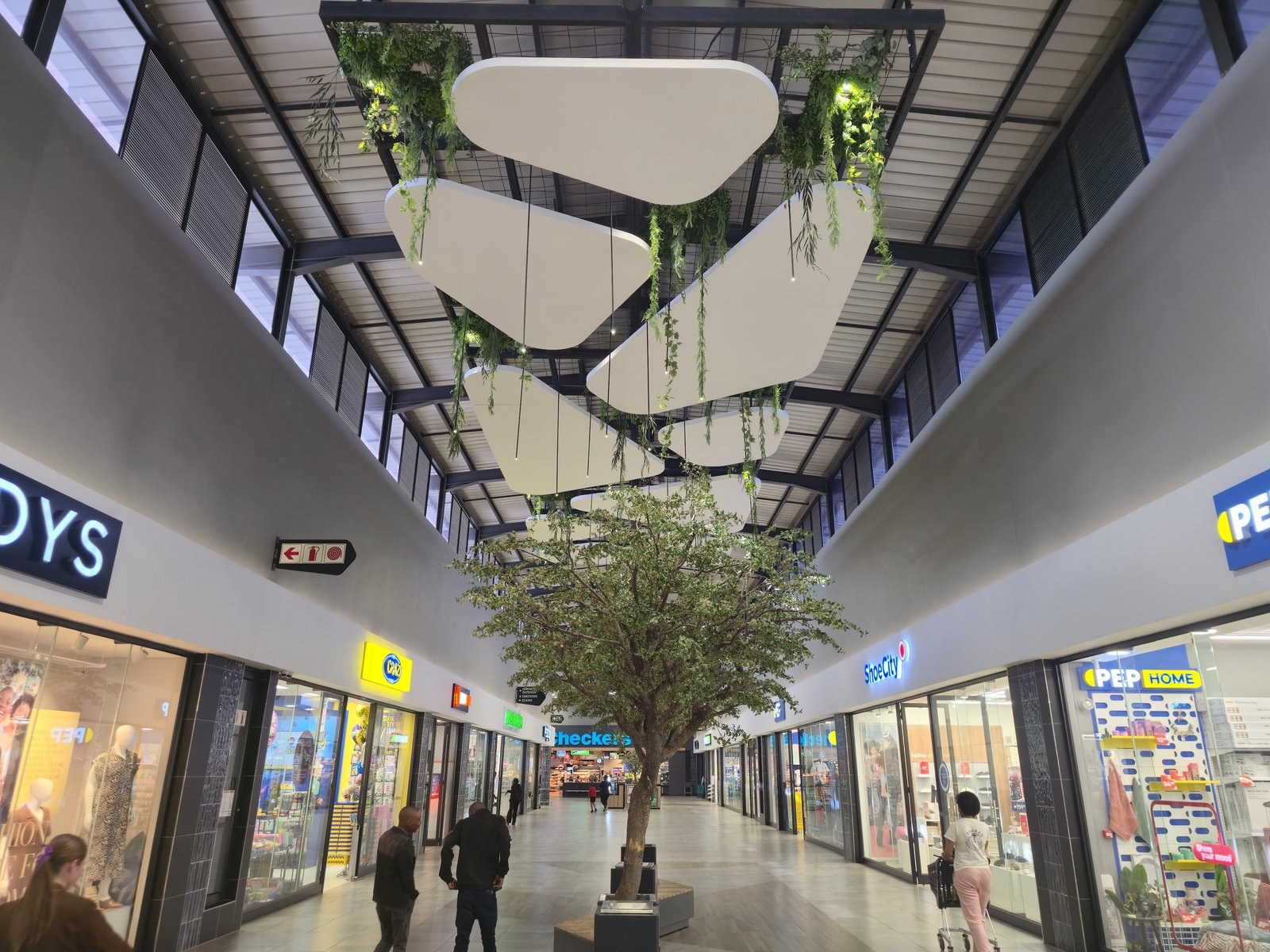
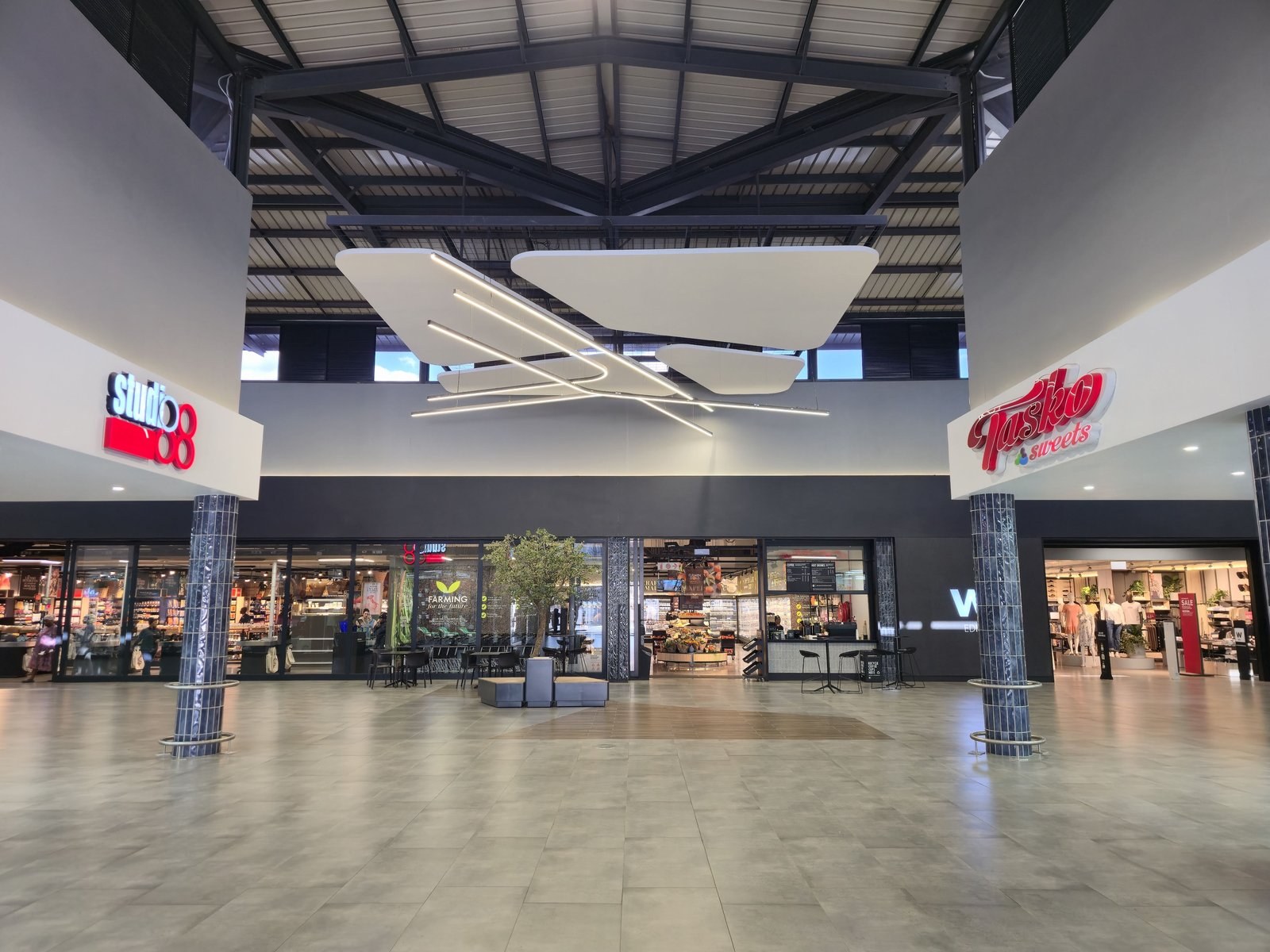
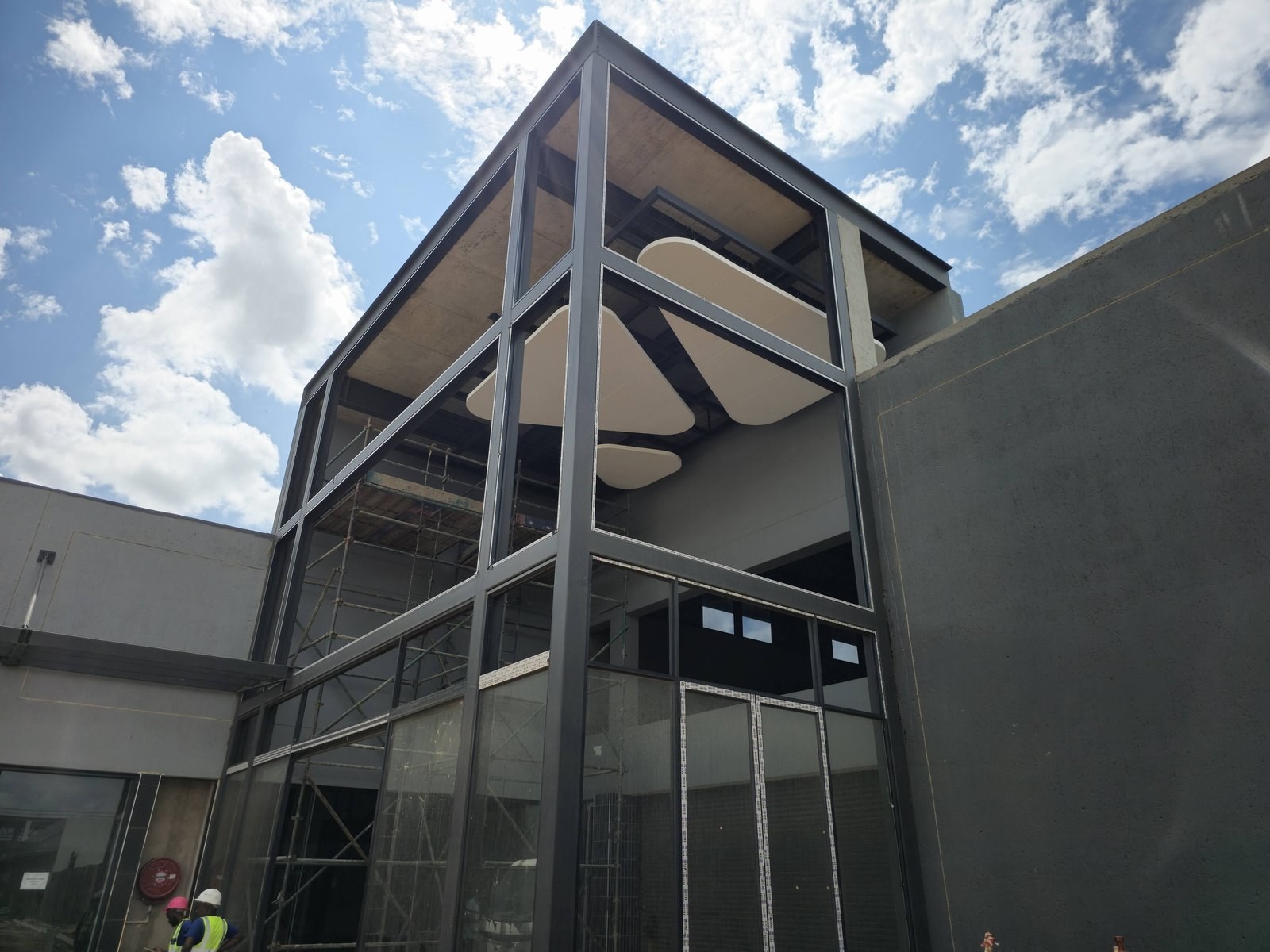
Riverstone Mall, Meyerton

Meyerton · Retail

Ready to specify?

Send us the drawings. We will size it, detail it and quote it.

Request a spec or quote

Technical resource

Who should we send this to?

We release technical documentation to named engineers and specifiers so we can support you properly on the project. One entry unlocks everything.

We will not share your details. POPIA compliant.