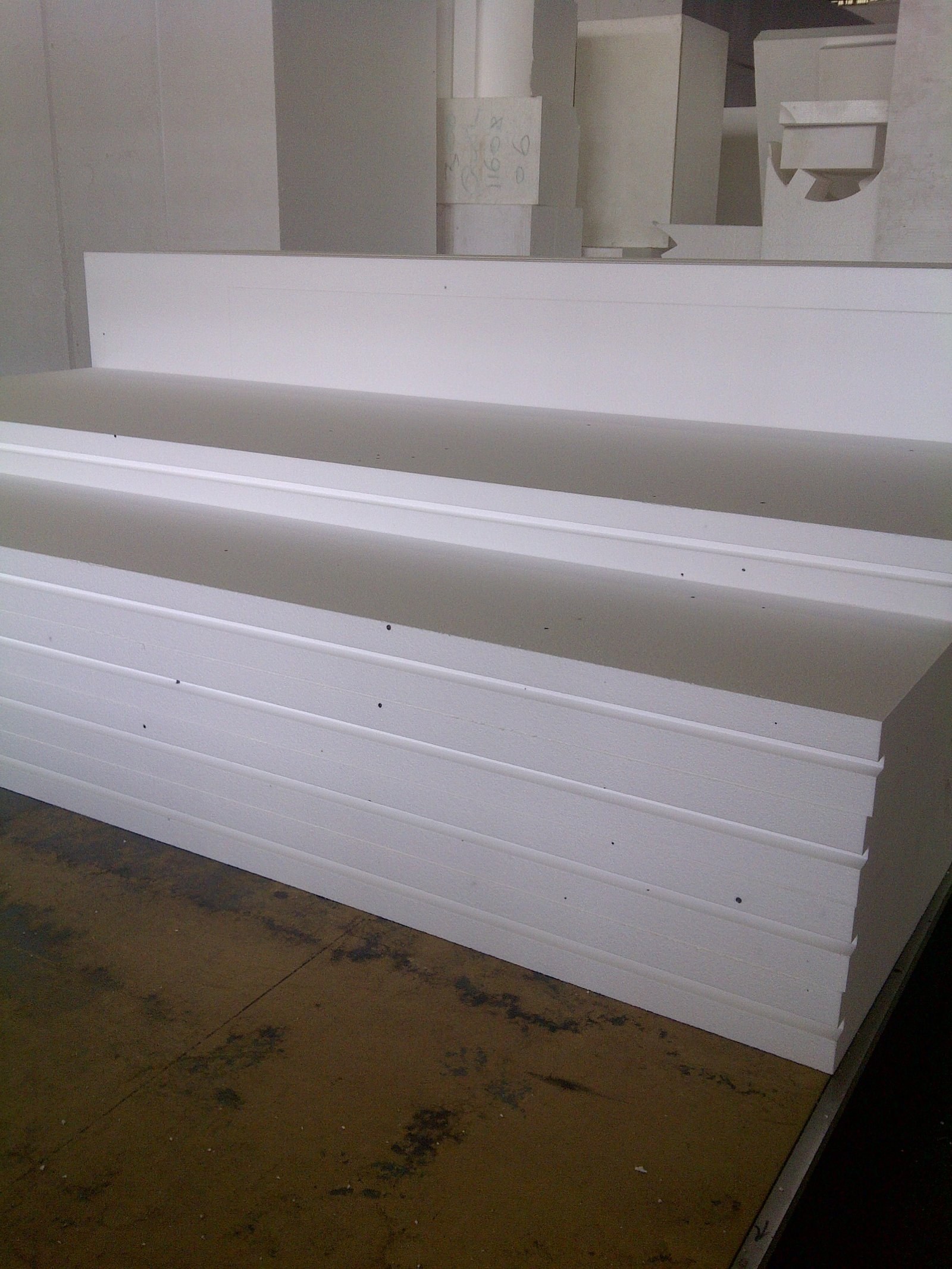
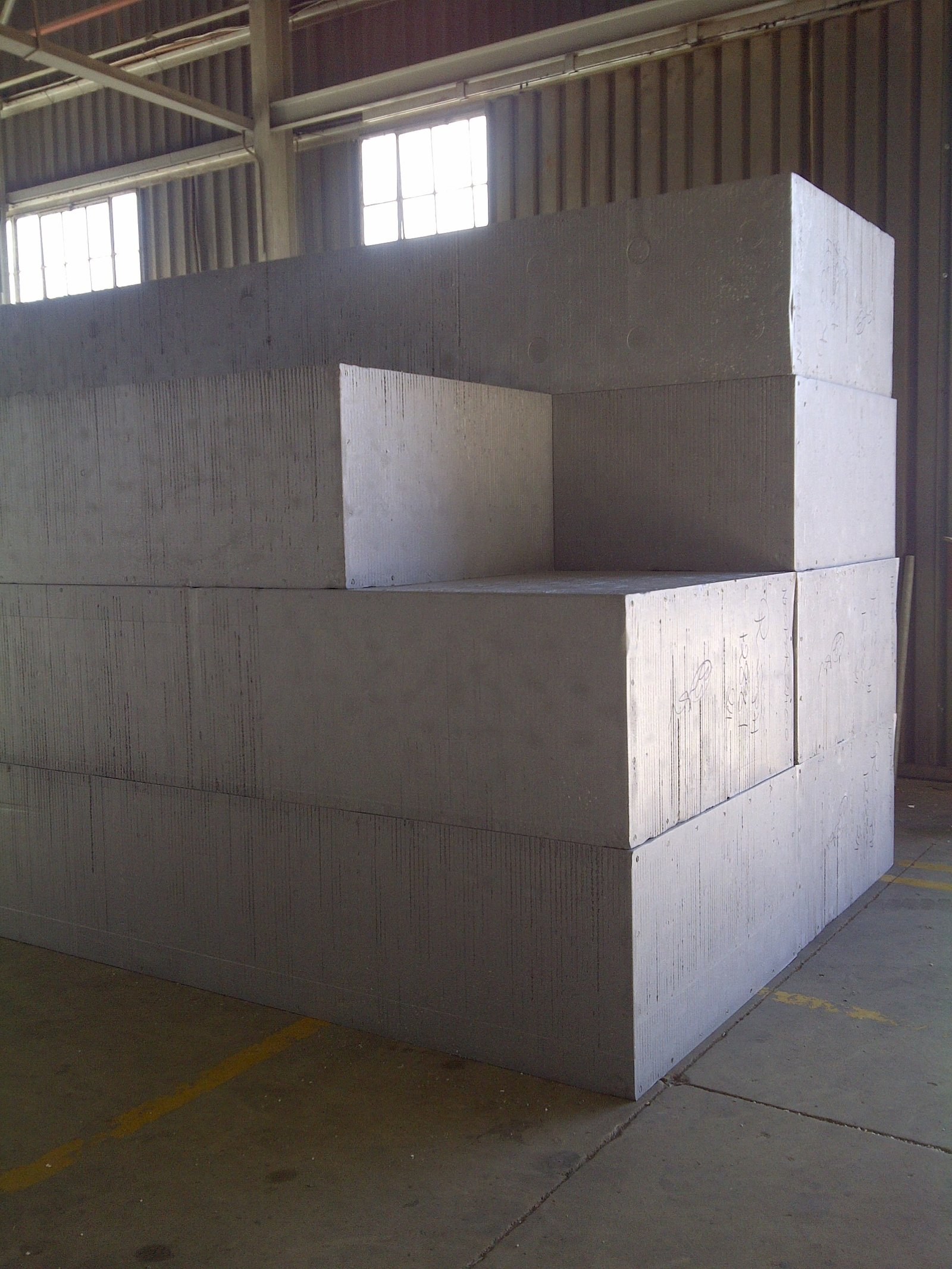
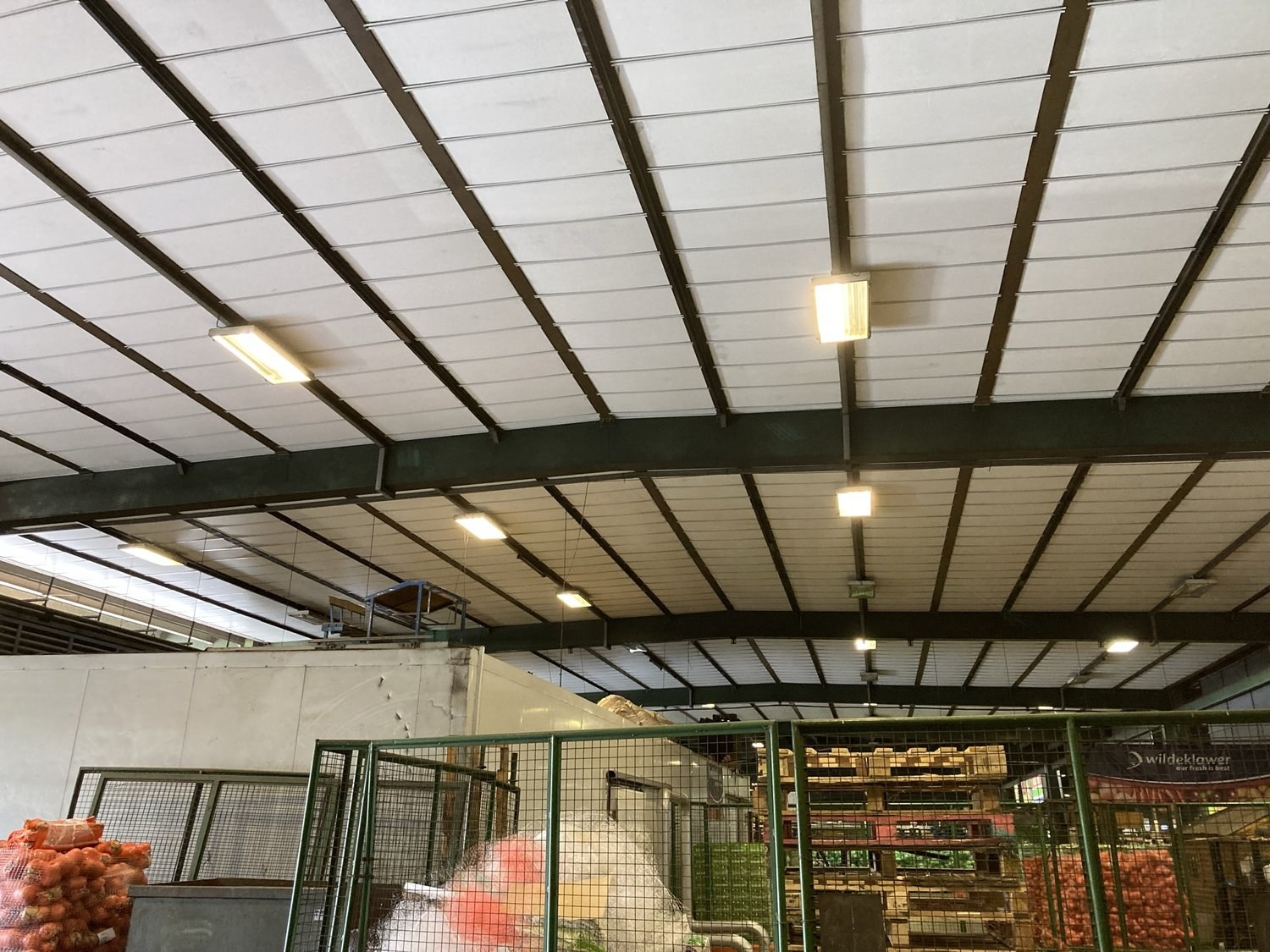
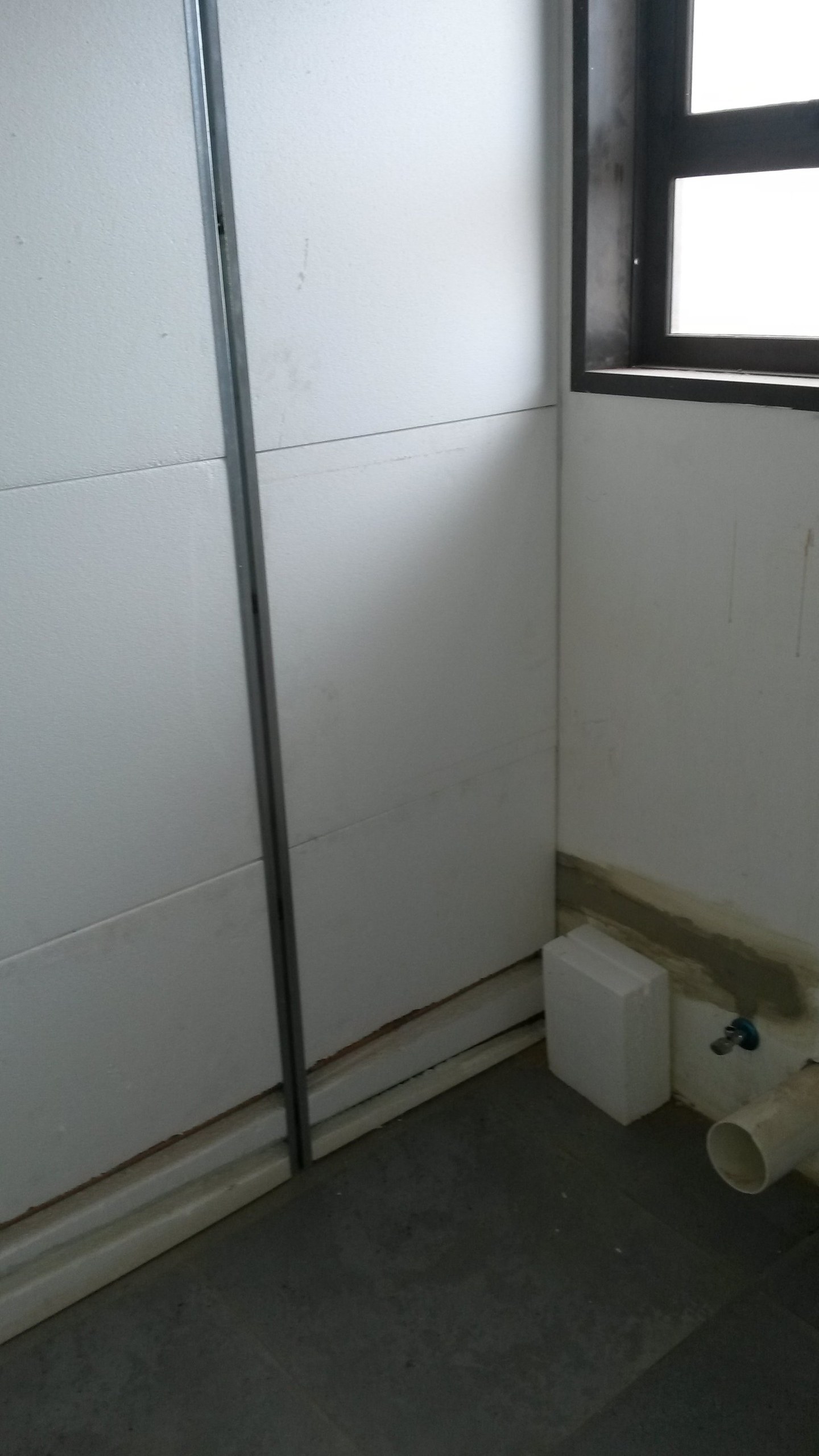
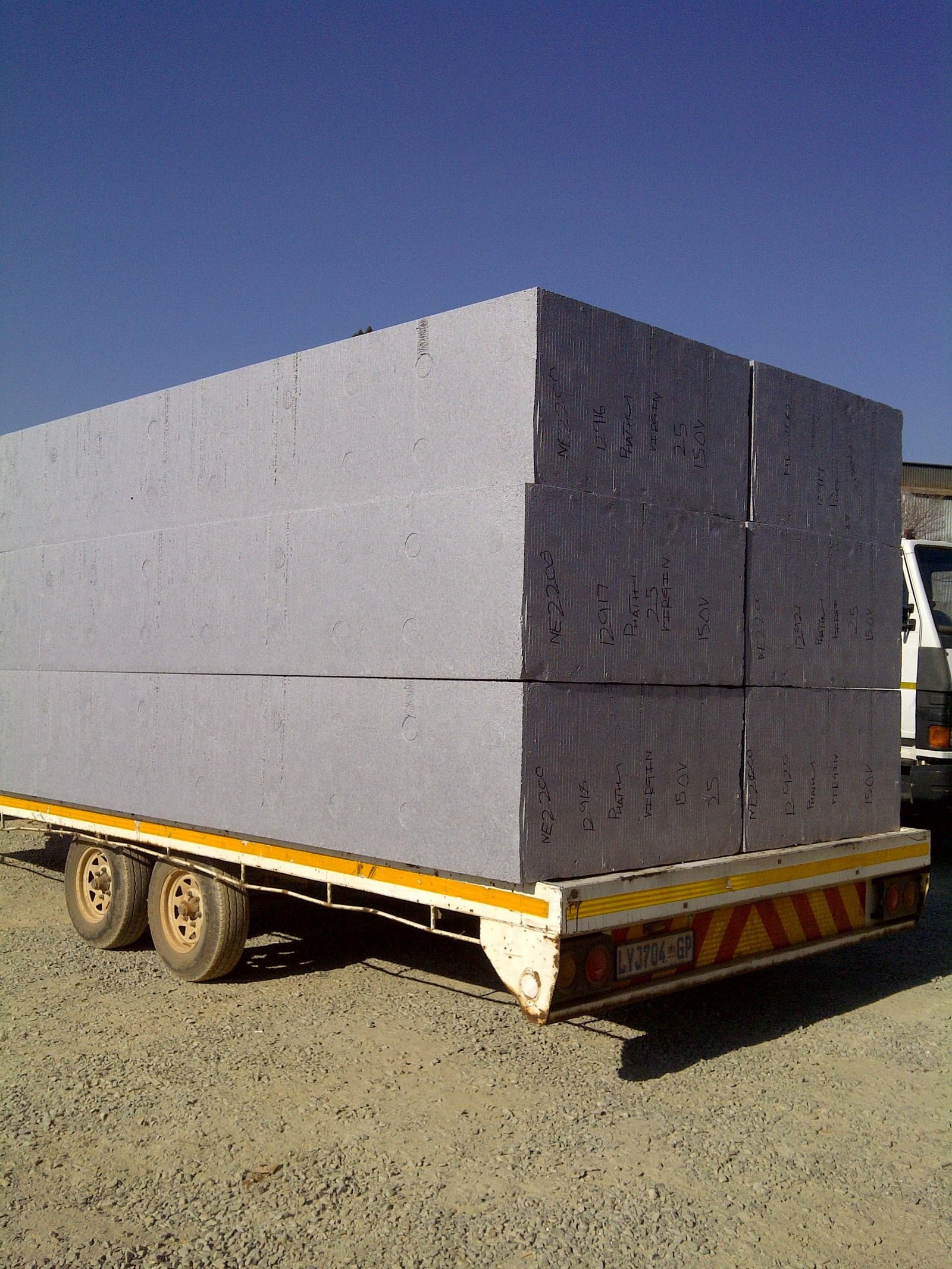
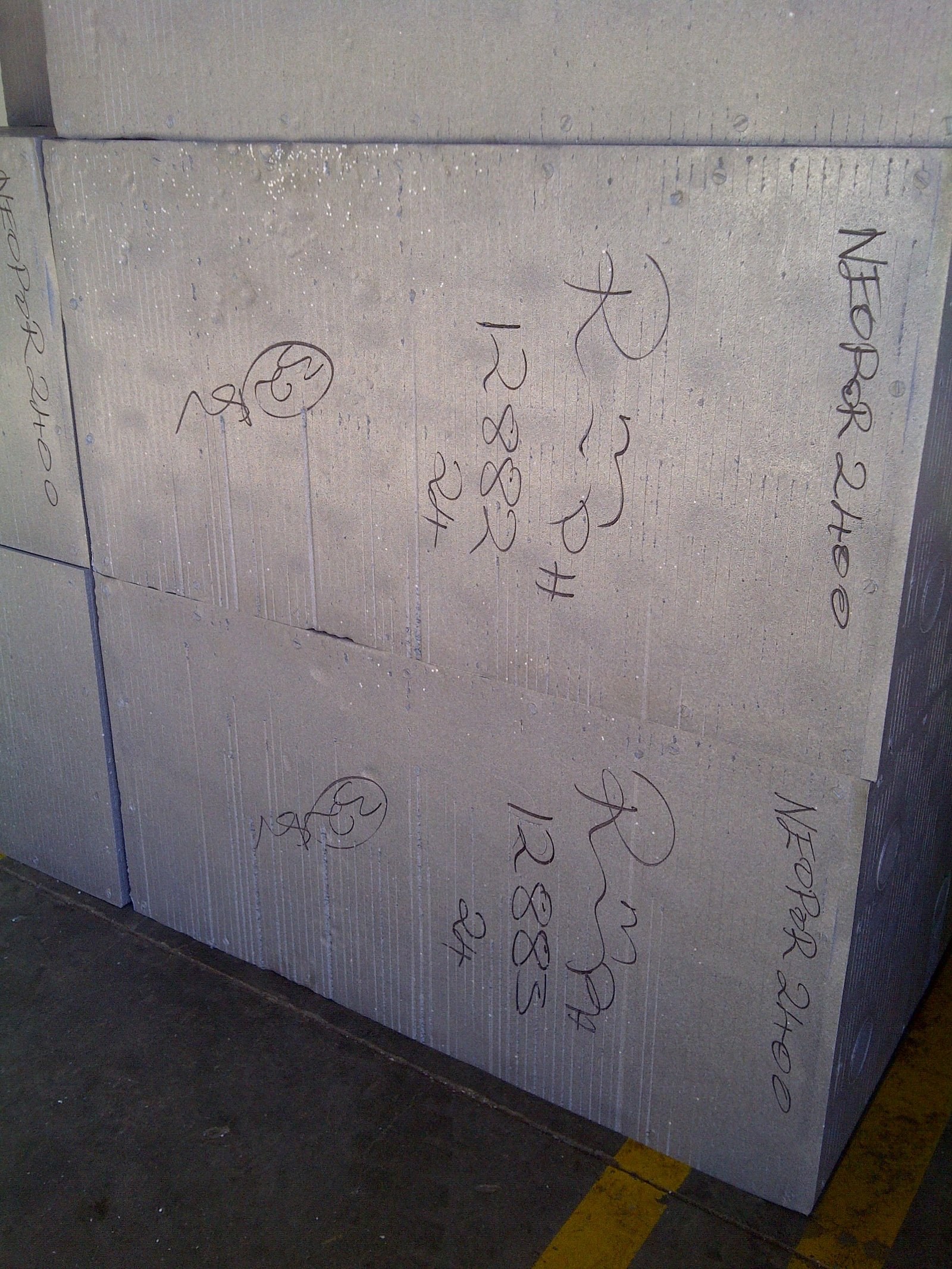
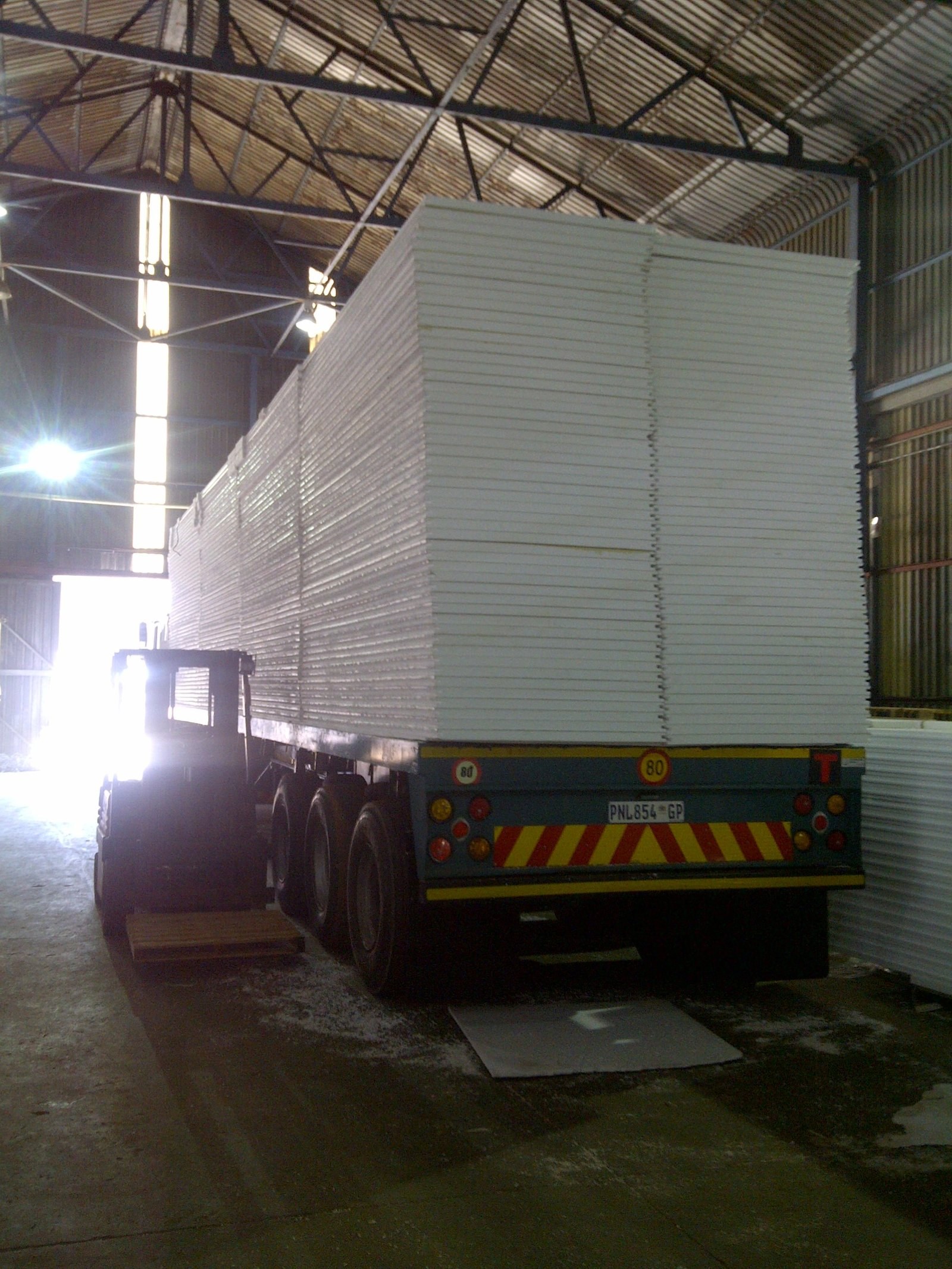
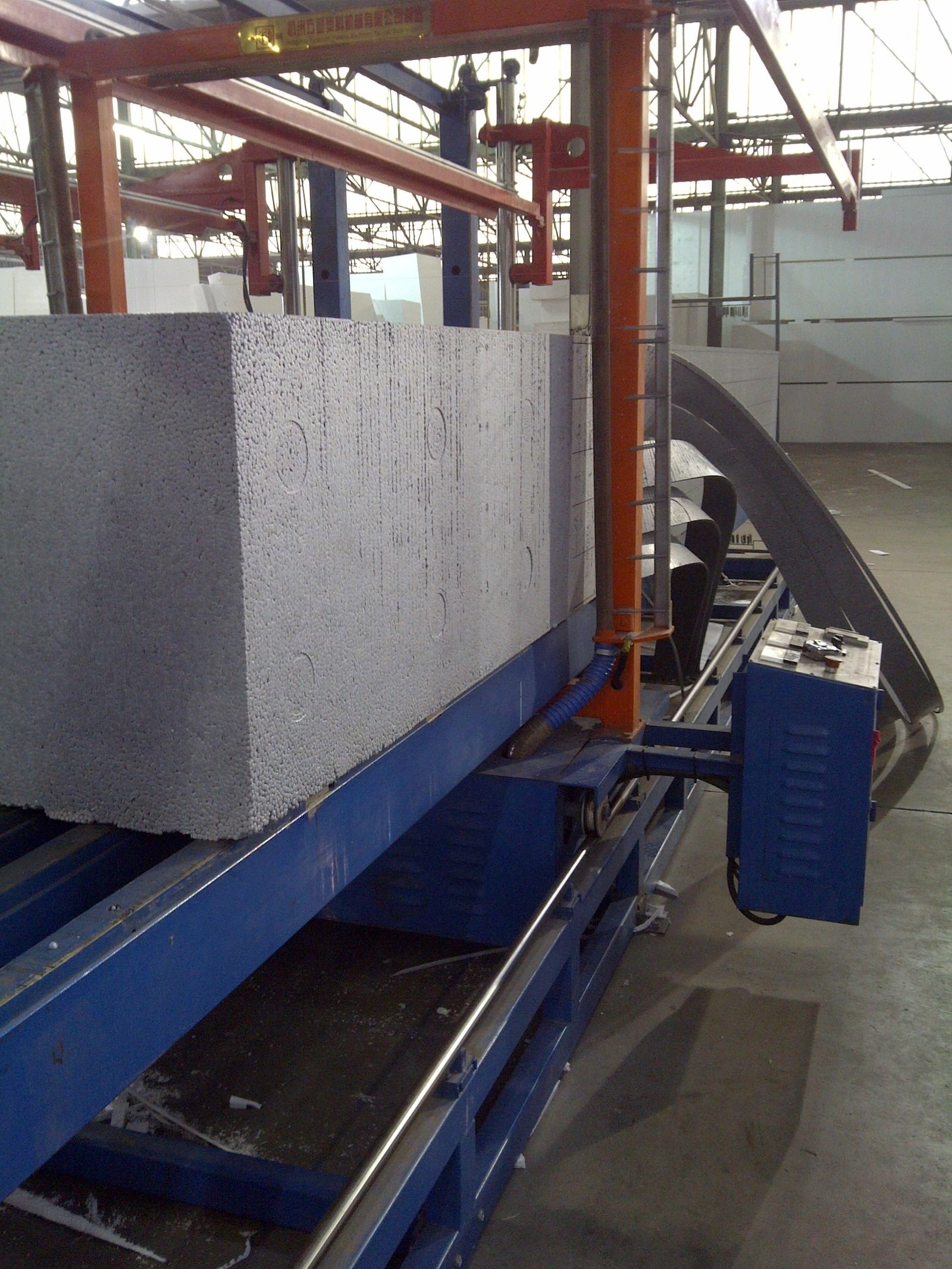
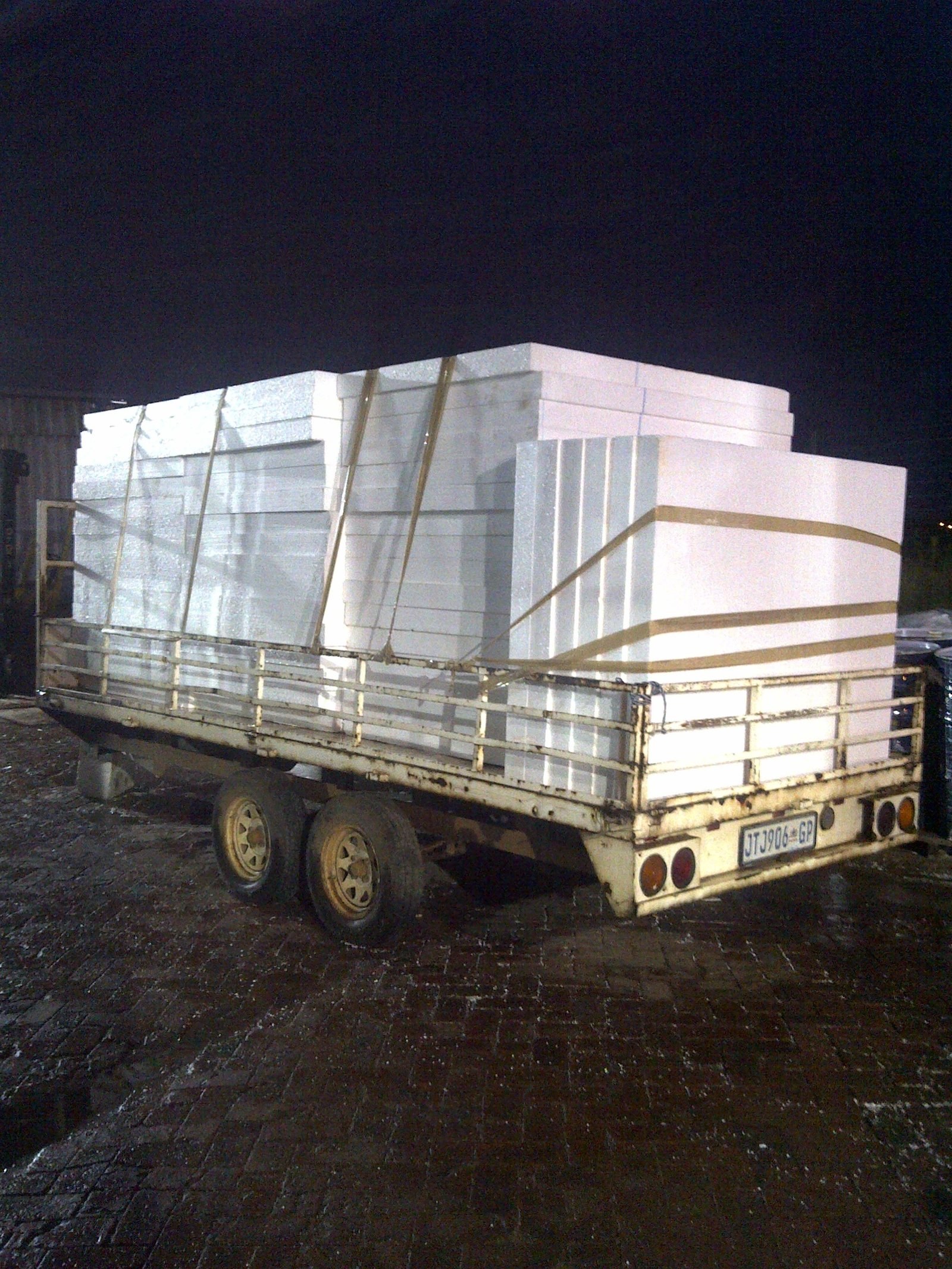
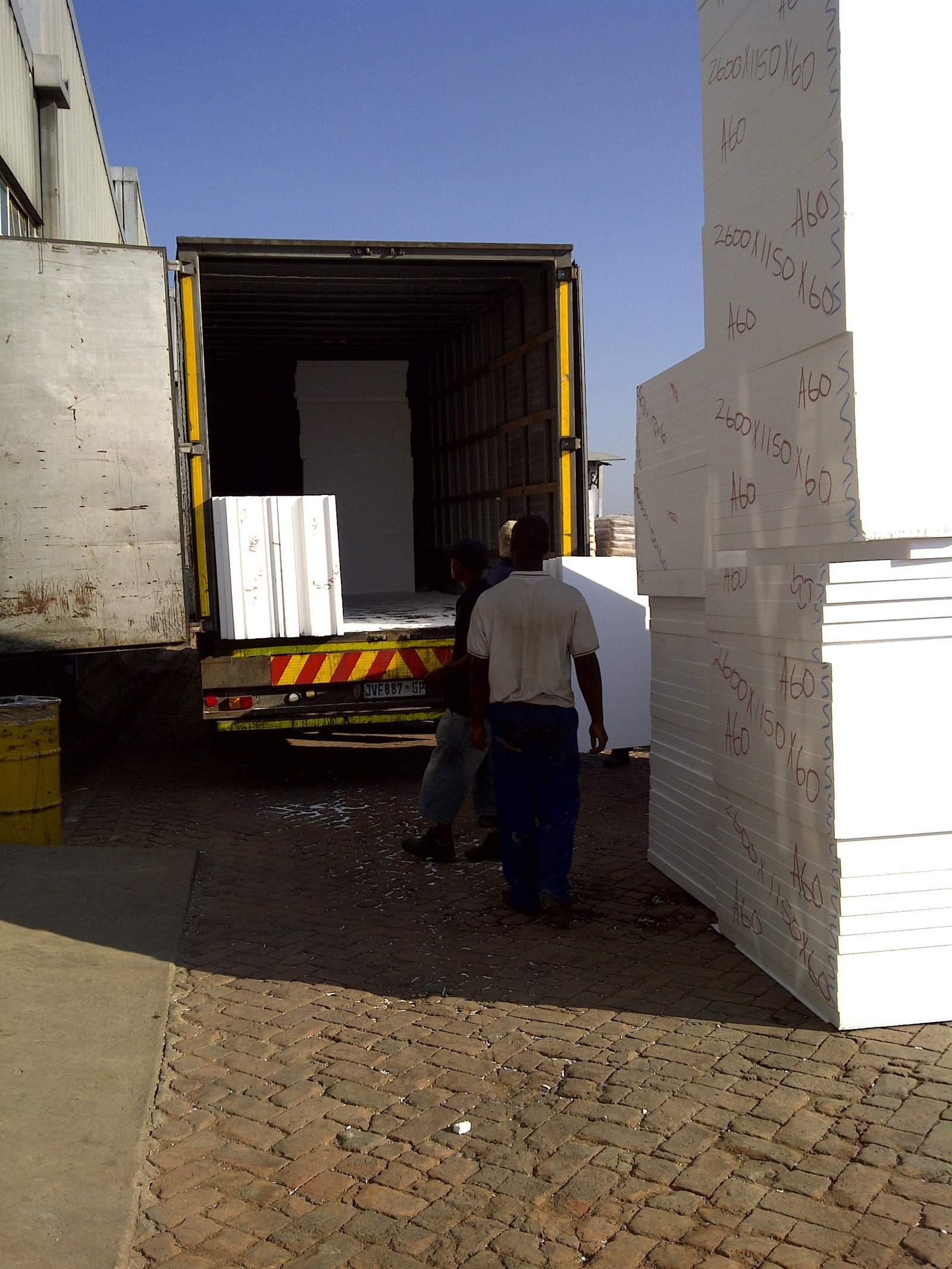
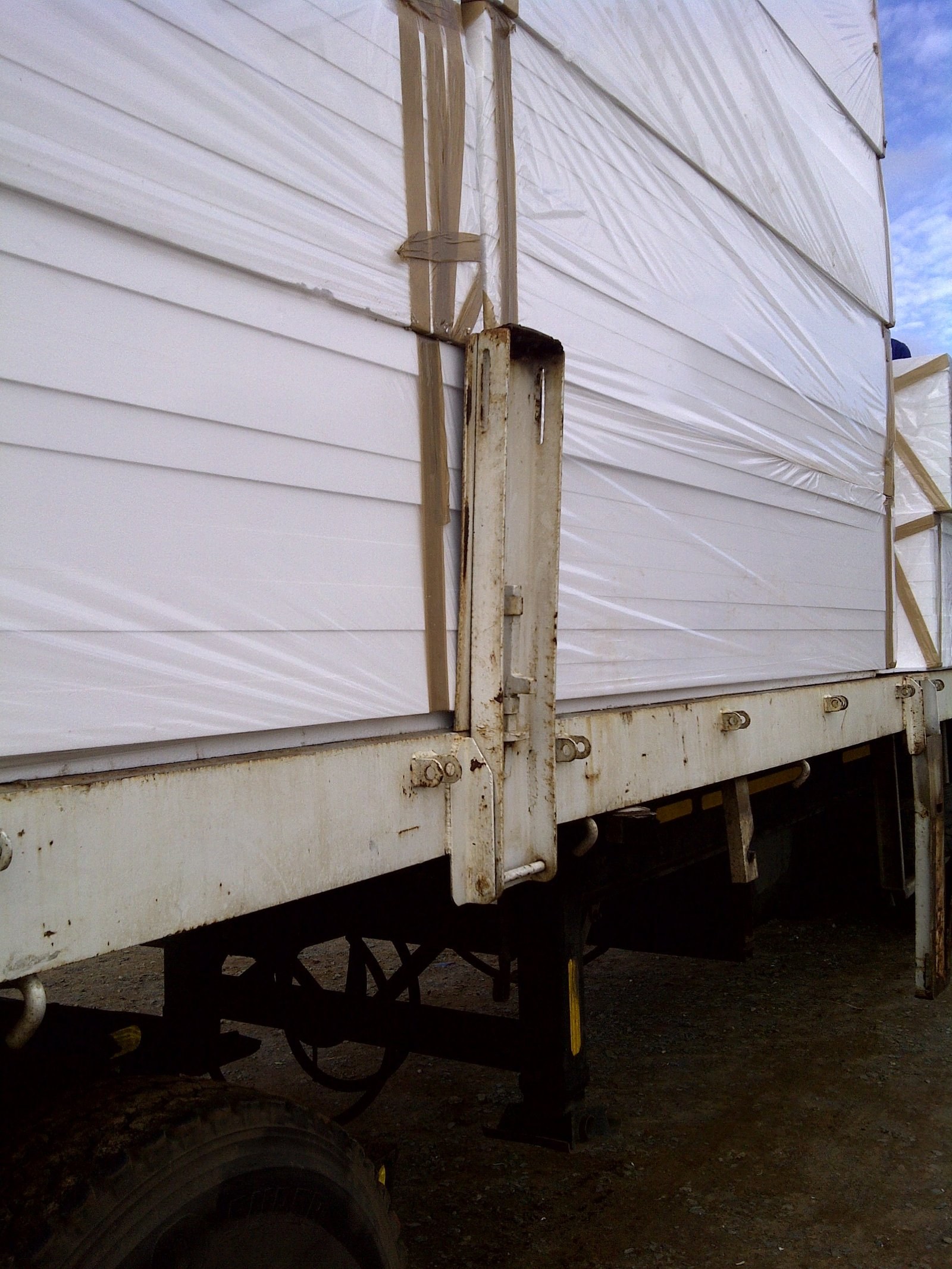
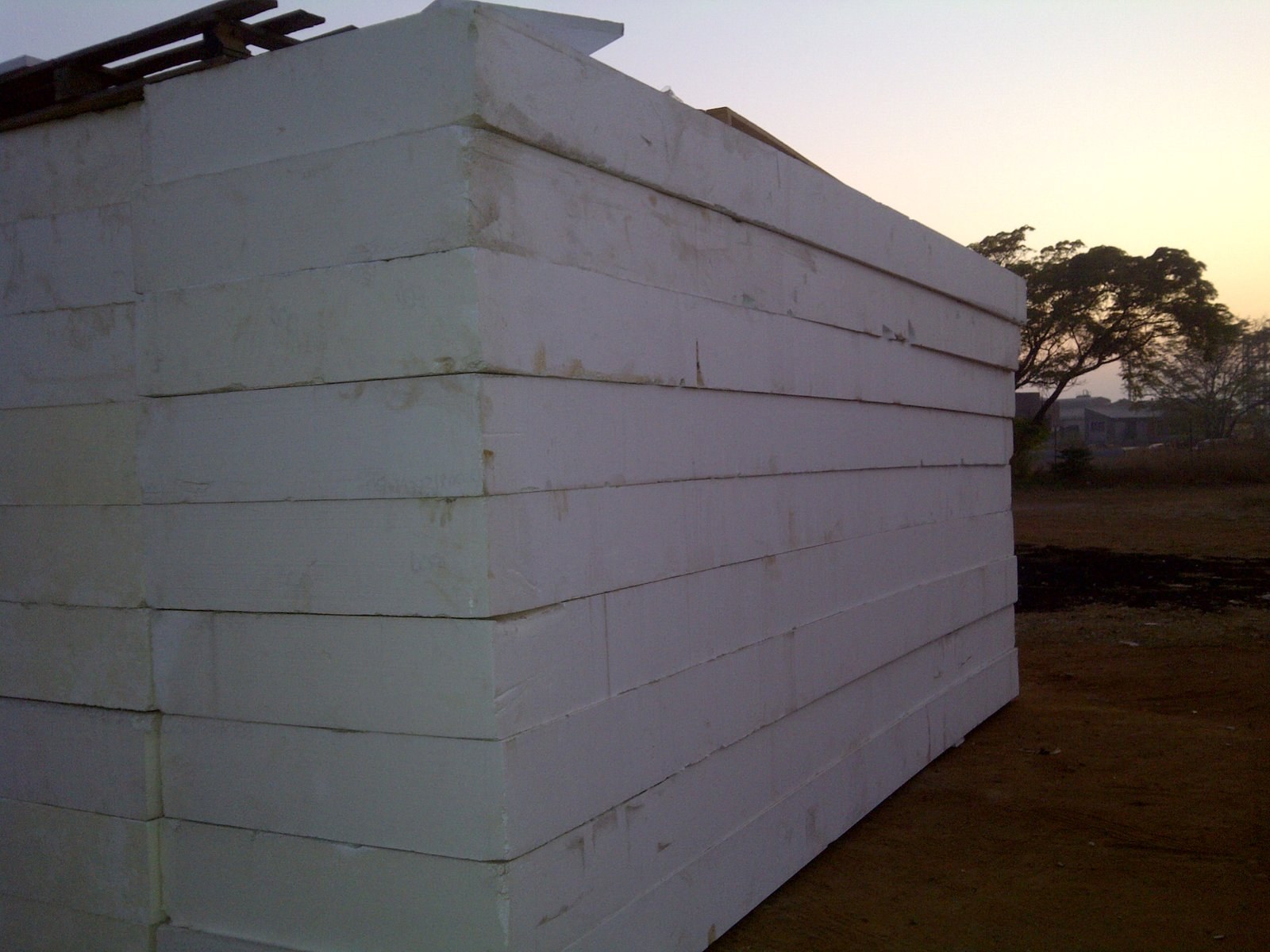
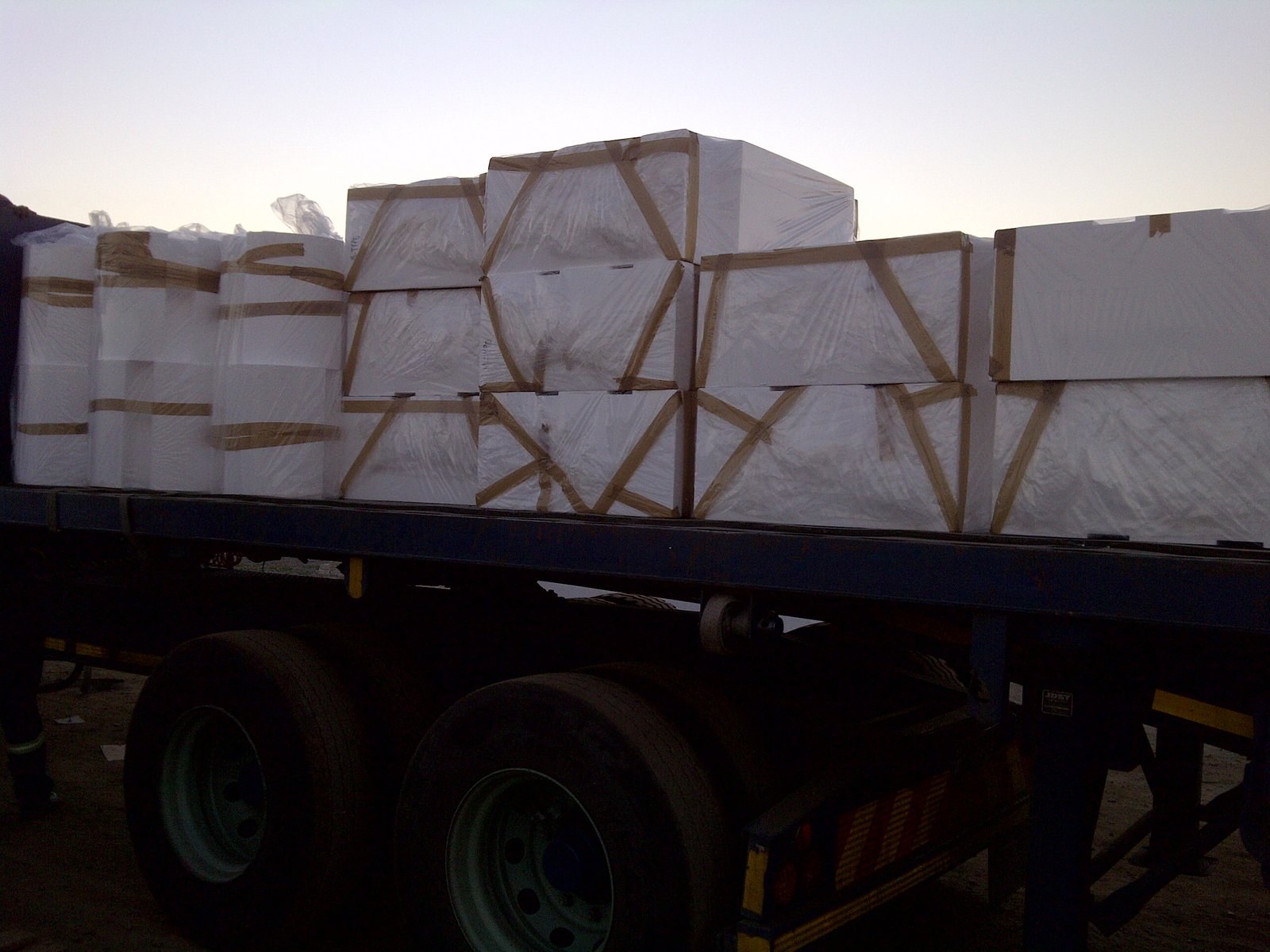
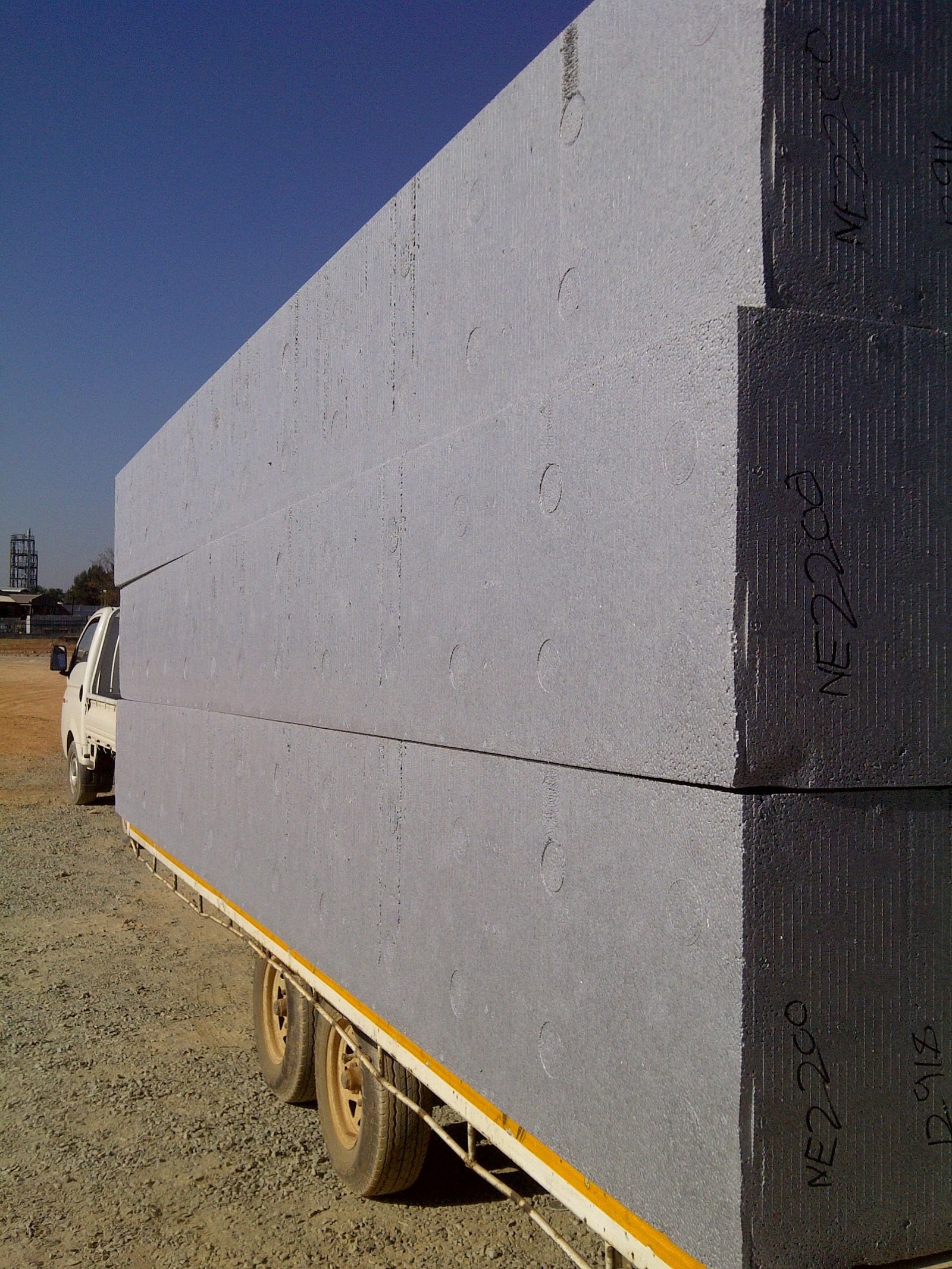
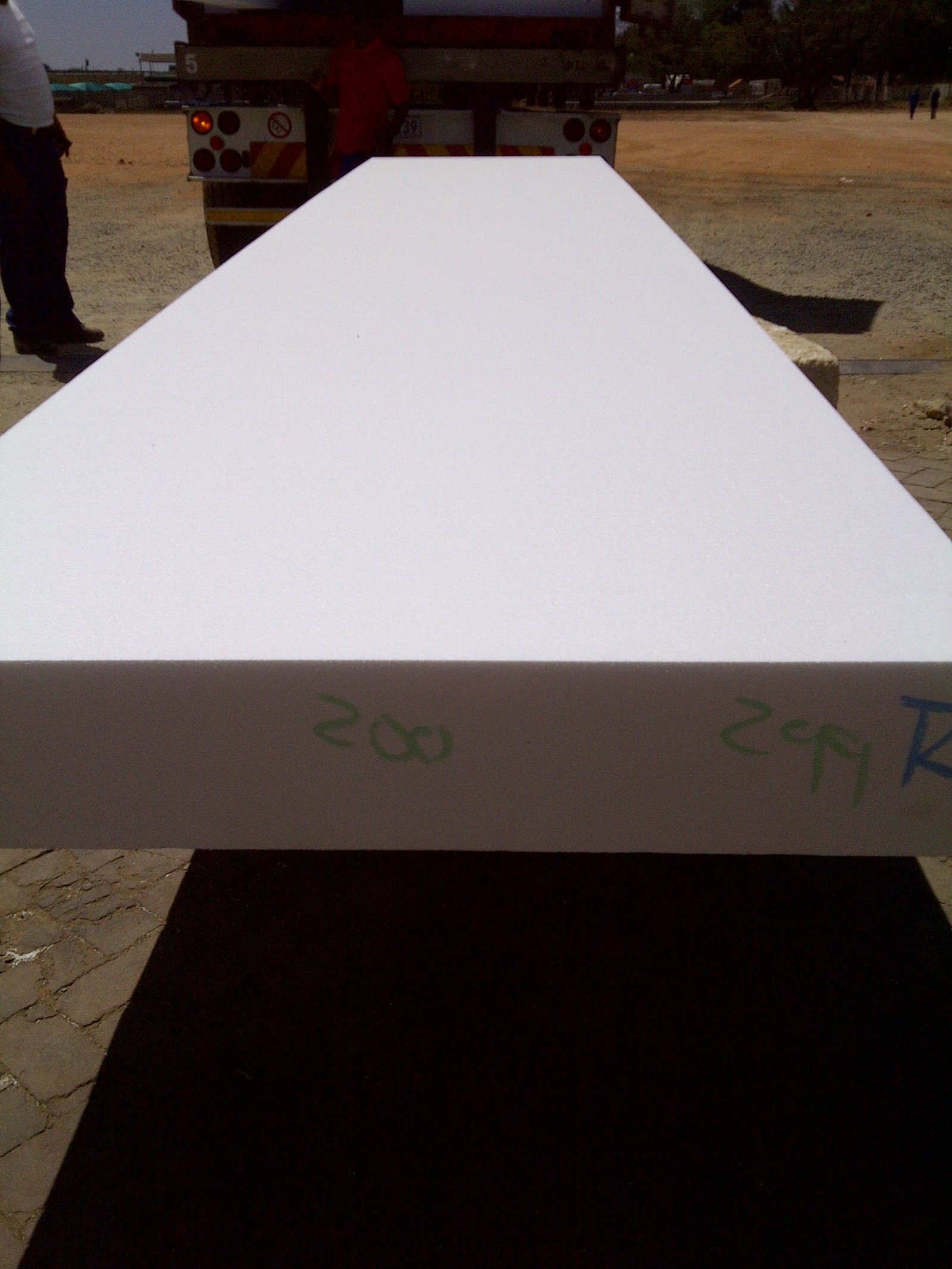
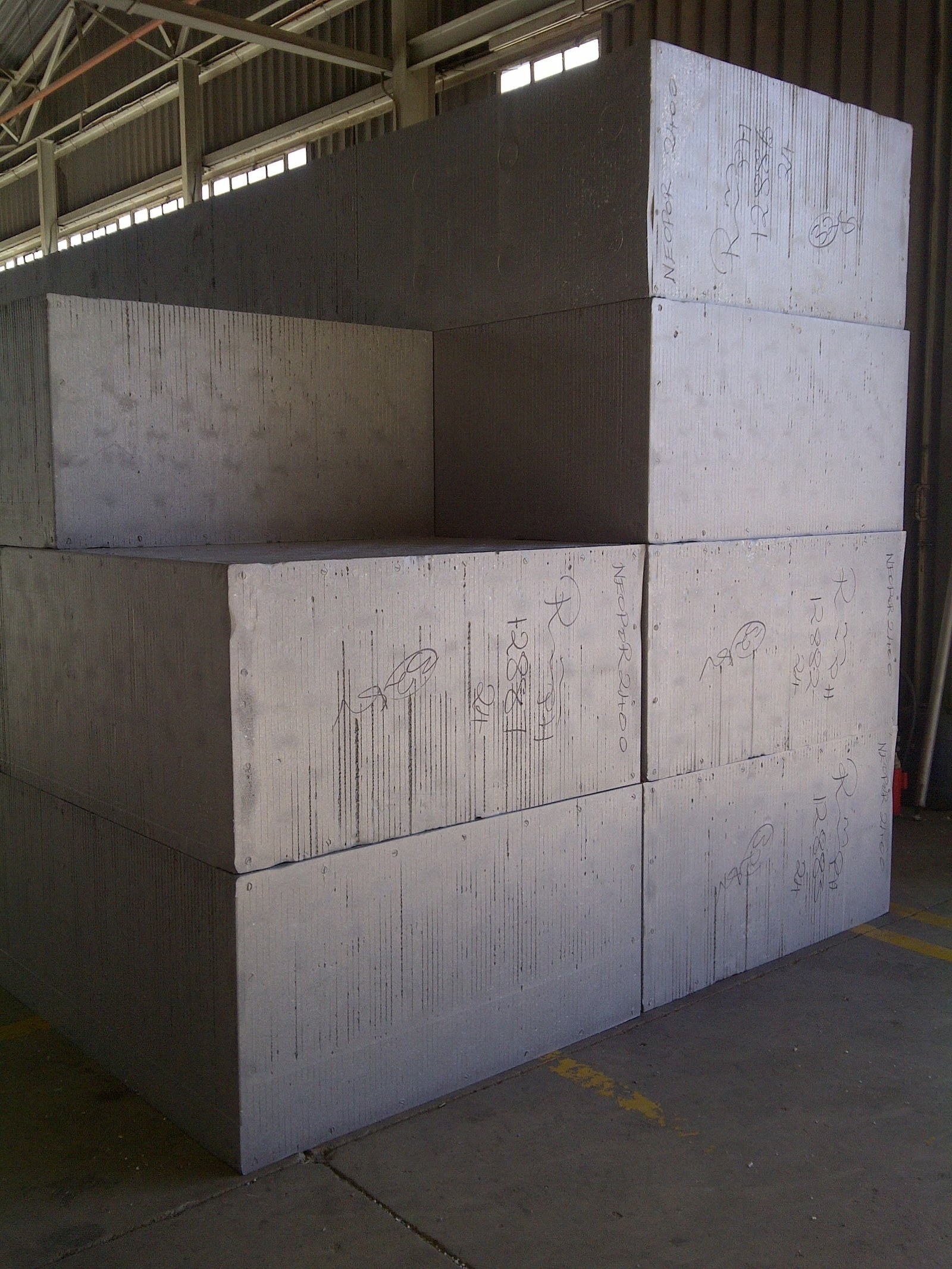
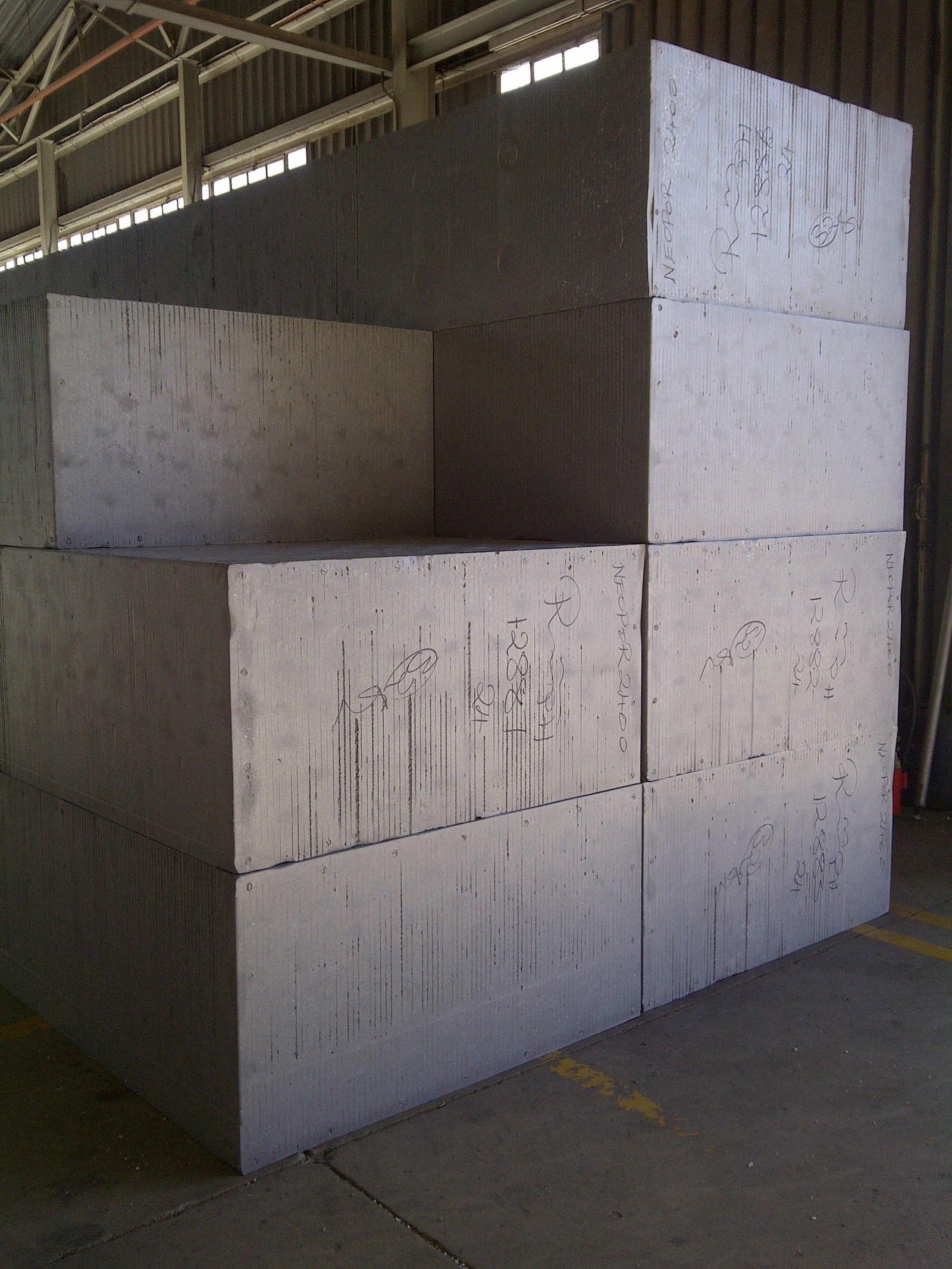
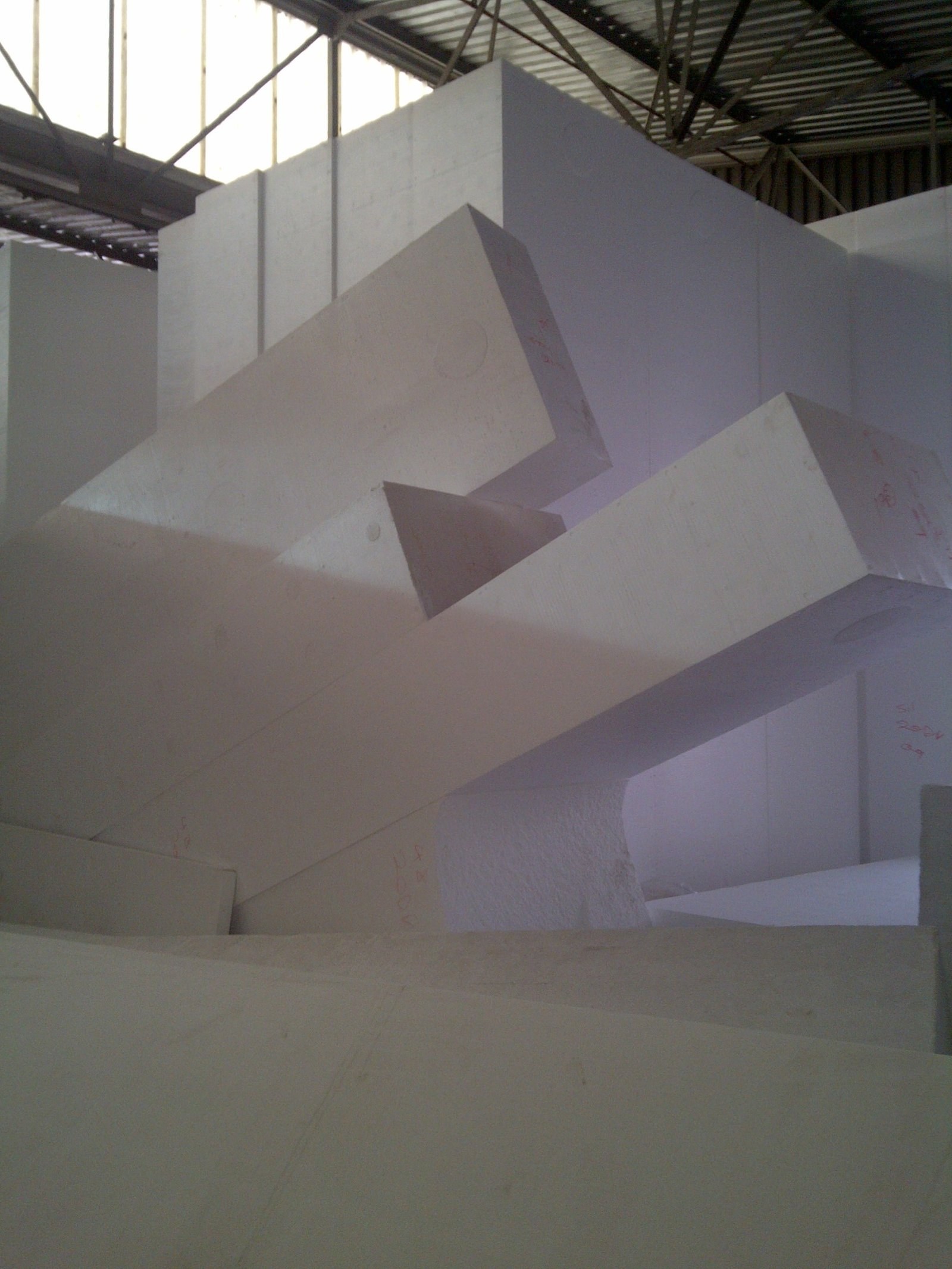
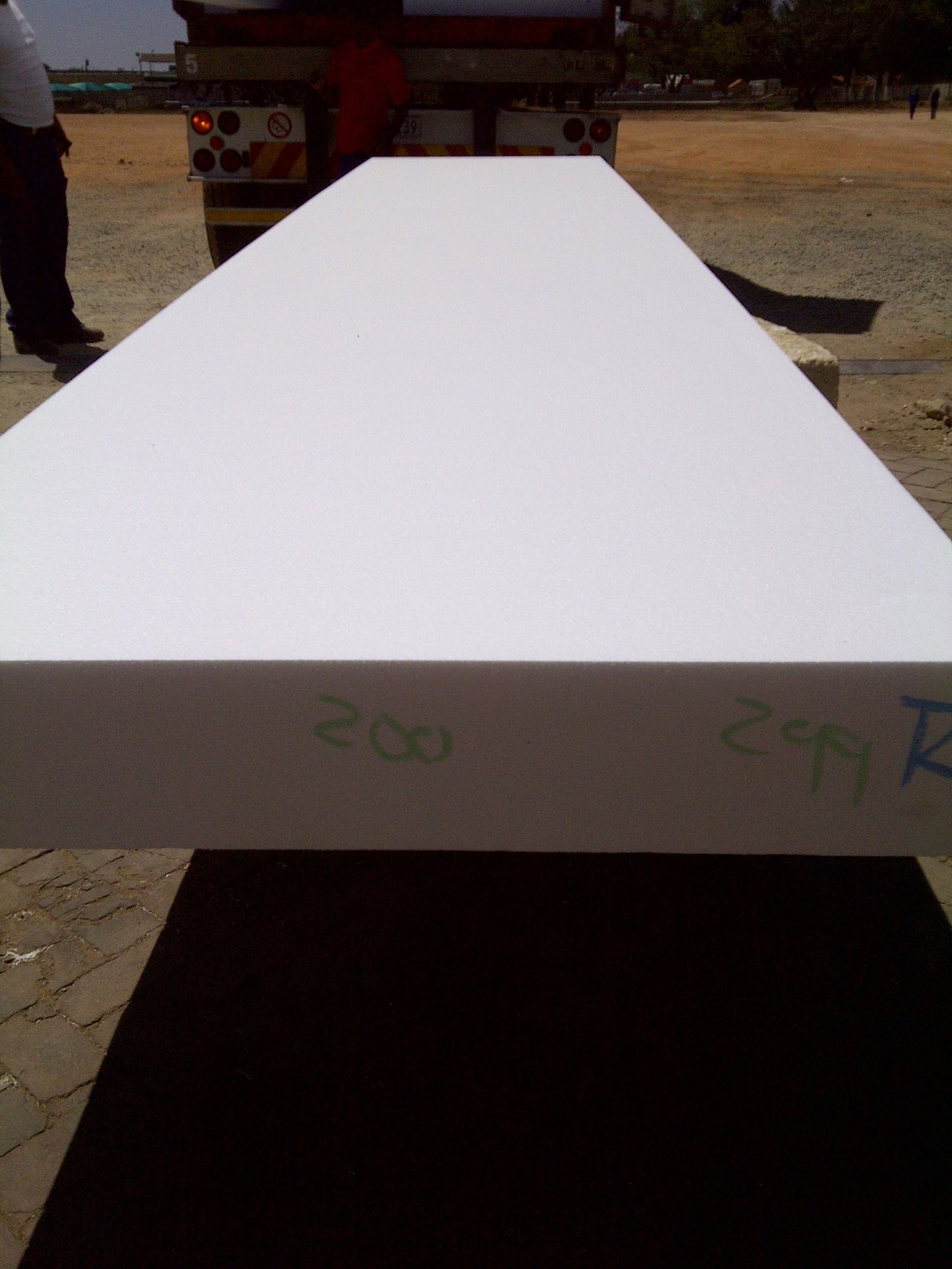
Bulk insulation is supplied in three materials, and they are not interchangeable. <b>EPS</b> (LiteCel / FRCel) is what Technopol manufactures: rigid closed-cell fire-retardant expanded polystyrene, cut to size, 12-30 kg/m³. <b>Stone Wool</b> and <b>PIR</b> are supplied but not manufactured by Technopol - they are bought in, and the values below are the generic material values published for the class, not measurements on Technopol stock. Choose on the job, not on the price: <b>Stone Wool is the fire answer</b> (an A1 non-combustible mineral material), <b>PIR is the thinness answer</b> (the lowest λ, so the least depth for a given R-value), and <b>EPS is the value answer</b> across the widest range of density grades. Where fire performance is the reason for the specification, read the fire row below before you decide.
| Property | Value | Standard |
|---|
| Materials supplied | EPS (LiteCel / FRCel) — manufactured by Technopol · Stone Woolsupplied, not manufactured · PIR — supplied, not manufactured | ISO 9001 scope covers EPS only |
| Thermal conductivity λ @10 °C — EPS | 0.033–0.045 (grade-dependent) W/m·K | Manufacturer-declared. |
| Thermal conductivity λ @10 °C — Stone Wool | ~0.037 (at ~120 kg/m³) W/m·K | Generic value for the material class. Not a Technopol measurement. |
| Thermal conductivity λ @10 °C — PIR | ~0.023 — the lowest of the three, so the thinnest board for a given R-value W/m·K | Generic value for the material class. Not a Technopol measurement. |
| Nominal density | EPS 12–30 · Stone Wool ~120 · PIR ~30–40 kg/m³ | Stone Wool is roughly four to ten times the weight of EPS — check the ceiling or the deck can carry it before you specify it. |
| Reaction to fire — Stone Wool | Non-combustible mineral material (Euroclass A1 for the material)This is the reason to choose it. It is the only one of the three that does not burn. | Material classification, as supplied. |
| Reaction to fire — EPS | Combustible, fire-retardant treated. B-s1,d0 was achieved on one tested board (60 mm FRCel 20DV)it is not formally extended to every grade and thickness. | SANS 53501-1 — IT 23-08-00009 |
| Reaction to fire — PIR | Technopol holds NO fire classification and NO fire-resistance rating for PIR. The one PIR fire-resistance test on record FAILED (a 100 mm PIR 40 panel, joint opened at 19 min 15 s, ignition at 23 min)the only other PIR test was a screening that returned no classification. Do not specify PIR on a fire argument. If fire is the driver, the honest answer is Stone Wool. | SANS 10177-2 — FTC 21-163 (FAILED) · FTC 20-080 (screening, no class) |
| Fire-resistance rating (REI) | None for plain board in any of the three materialsa bare board carries a reaction-to-fire class, not an REI (minutes) rating. An REI is a property of a tested ASSEMBLY, not of an insulation board. | SANS 10177-2 |
| Compressive stress @10% compression (min) — EPS | 60–200 (grade-dependent) kPa | Catalogue grade table. |
| Moisture | EPS and PIR are closed-cell and resist moisture driveStone Wool is open-fibre: it must be kept dry, and a wet mineral wool loses most of its thermal value and does not recover it. | — |
| Cross-breaking (flexural) strength (min) | 80–250 kPa | — |
| Service temperature | 80 long-term / 100 short-term °C | — |
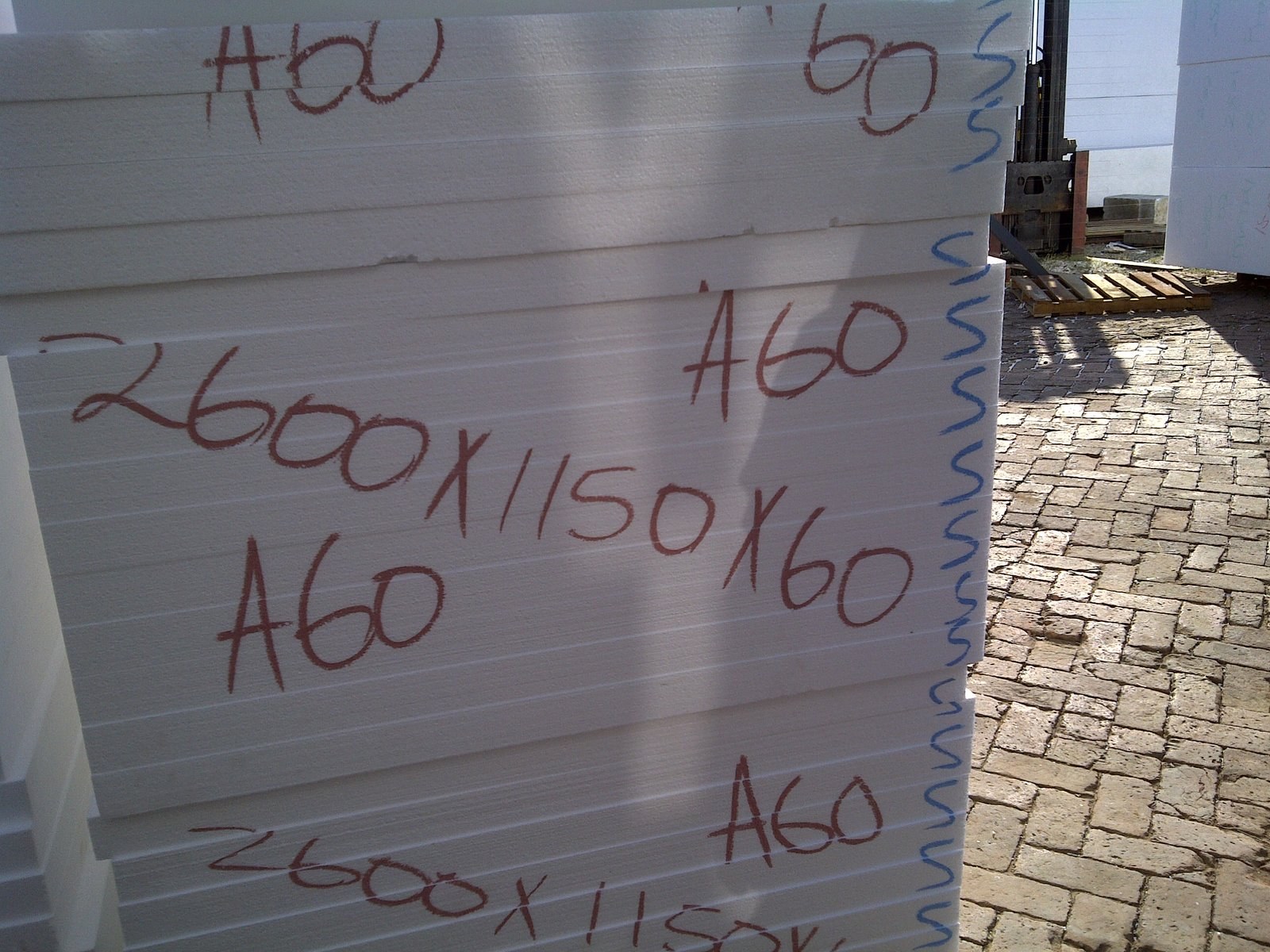
| Standard sheet sizes | Widths 1200 / 1220; lengths 2000–7500; thickness 5–600 mm | — |
| Applicable / test standards | SANS 53501-1 (reaction to fire)SANS 10177-11 & -9 (flame spread); ISO 9001:2015 (ISO 14001 & 45001 lapsed Mar 2026, recertification in progress) manufacturer | SANS 53501-1 |
CHOOSING BETWEEN THE THREE. If FIRE is the reason for the specification, choose Stone Wool - it is the only one of the three that does not burn. If DEPTH is the constraint (a shallow cavity, a make-up floor, a rebate you cannot enlarge), choose PIR - its lower lambda buys the same R-value in about two-thirds of the thickness. Otherwise EPS is the value answer, and it is the one Technopol actually manufactures. DO NOT SPECIFY PIR ON A FIRE ARGUMENT. Technopol holds no reaction-to-fire classification and no fire-resistance rating for PIR. The only PIR fire-resistance test on record FAILED: a 100 mm PIR 40 panel, joint opened at 19 min 15 s, ignition observed at 23 min (FIRELAB FTC 21-163). The only other PIR test was a surface-spread screening that returned no classification (FTC 20-080). PIR is offered for its thermal performance. If fire is the driver, the honest answer is Stone Wool. STONE WOOL IS HEAVY. At roughly 120 kg/m3 it is four to ten times the weight of EPS. Check that the ceiling, the deck or the fixings can carry it before you specify it - a suspended ceiling designed for an EPS board will not simply accept a mineral-wool one. STONE WOOL MUST BE KEPT DRY. It is an open-fibre material: wet mineral wool loses most of its thermal value and does not recover it when it dries. EPS and PIR are closed-cell and tolerate moisture drive far better. In an inverted roof, a wet cavity or anywhere the board can be rained on before the building is closed, this decides the choice on its own. TECHNOPOL MANUFACTURES THE EPS ONLY. Stone Wool and PIR are supplied, not manufactured - the ISO 9001 certificate covers EPS blocks, sheets, cornice, insulated ceiling solutions, adhesives and roof solutions. The Stone Wool and PIR figures above are the generic values published for those material classes, not measurements on Technopol stock. Ask for the manufacturer's declaration for the batch supplied. Thermal, density and strength values are grade-dependent and span the product range from the lightest grade (12SD: λ 0.045 W/m·K, ≥60 kPa) to the densest (30DV: λ 0.033 W/m·K, ≥200 kPa); intermediate grades 15SD, 16DV, 20DV and 24DV fall between. Confirm the specific grade per specification. Reaction-to-fire Class B-s1,d0 was determined on a ~60 mm sheet at ~18.37 kg/m³ (SANS 53501-1 SBI test; report '2023-08-17 Technopol', Ignis Testing, Cape Town; 5-year validity). The SANS 10177-11 flame-spread class B/B1/2/H (report FTC 19/194) is stated valid only for thicknesses up to 120 mm and densities up to 18 kg/m³. Higher-density (24DV/30DV) or thicker board is not separately classified. Plain EPS board carries no fire-resistance (REI, minutes) rating — fire resistance is a tested-assembly property under SANS 10177-2, not a property of the loose board. No R-value/U-value table is published for the bulk board; R = thickness ÷ λ (e.g. 100 mm of grade 20DV at λ = 0.035 ≈ 2.9 m²·K/W).
Values from Technopol technical documentation. Confirm the exact figures for your specification with Technopol.