Home / Products / 3D Milling
Fabrication

3DMilling

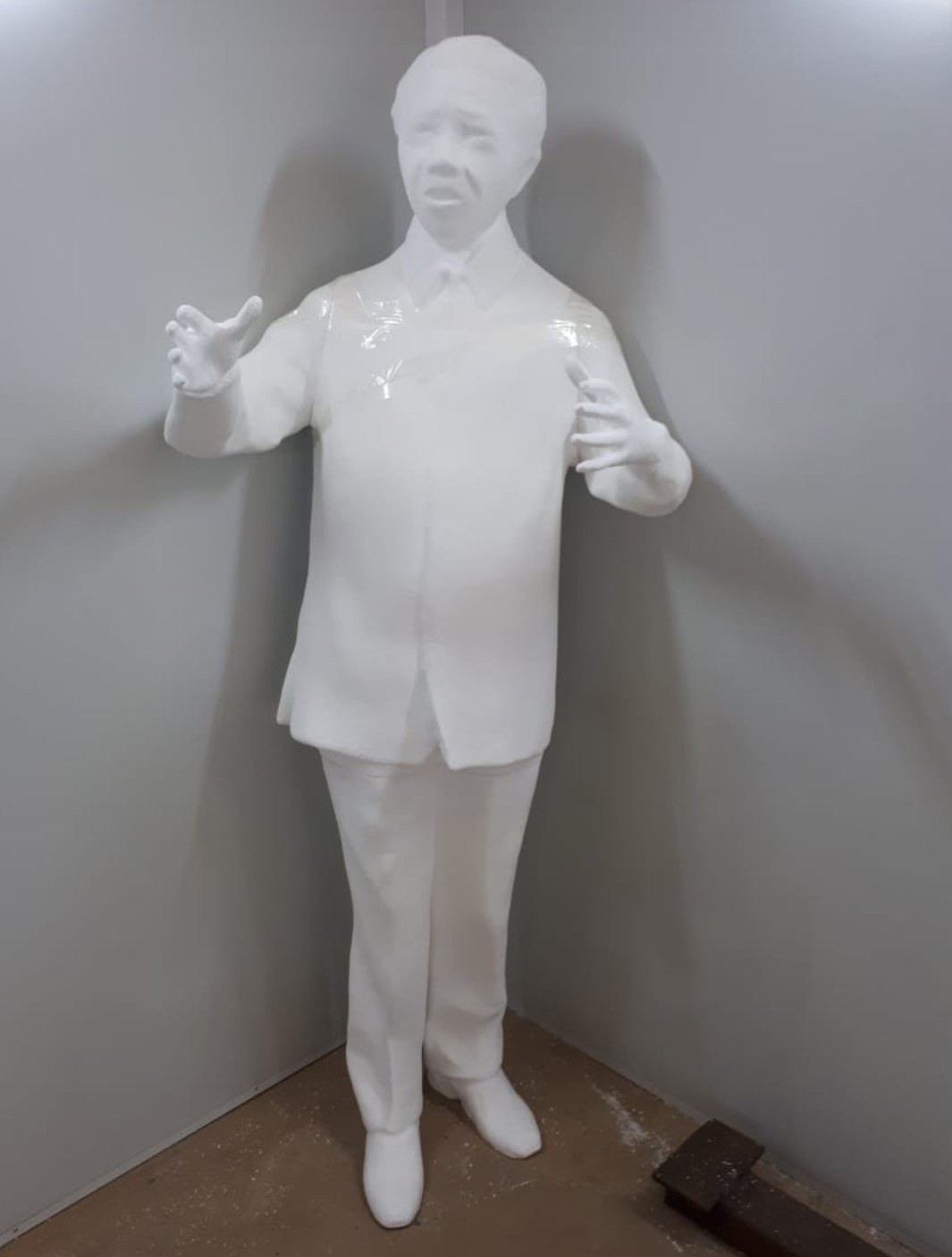
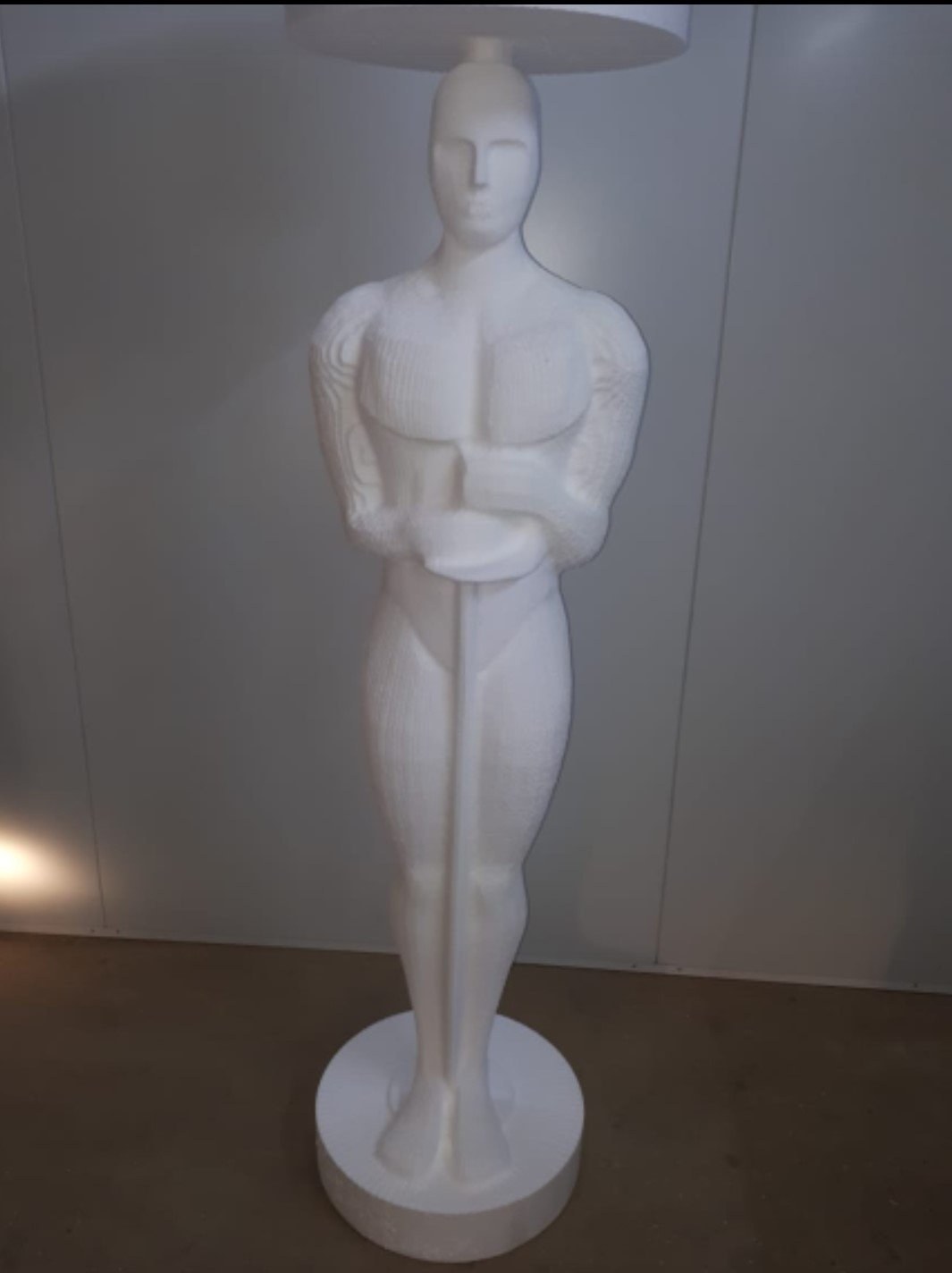
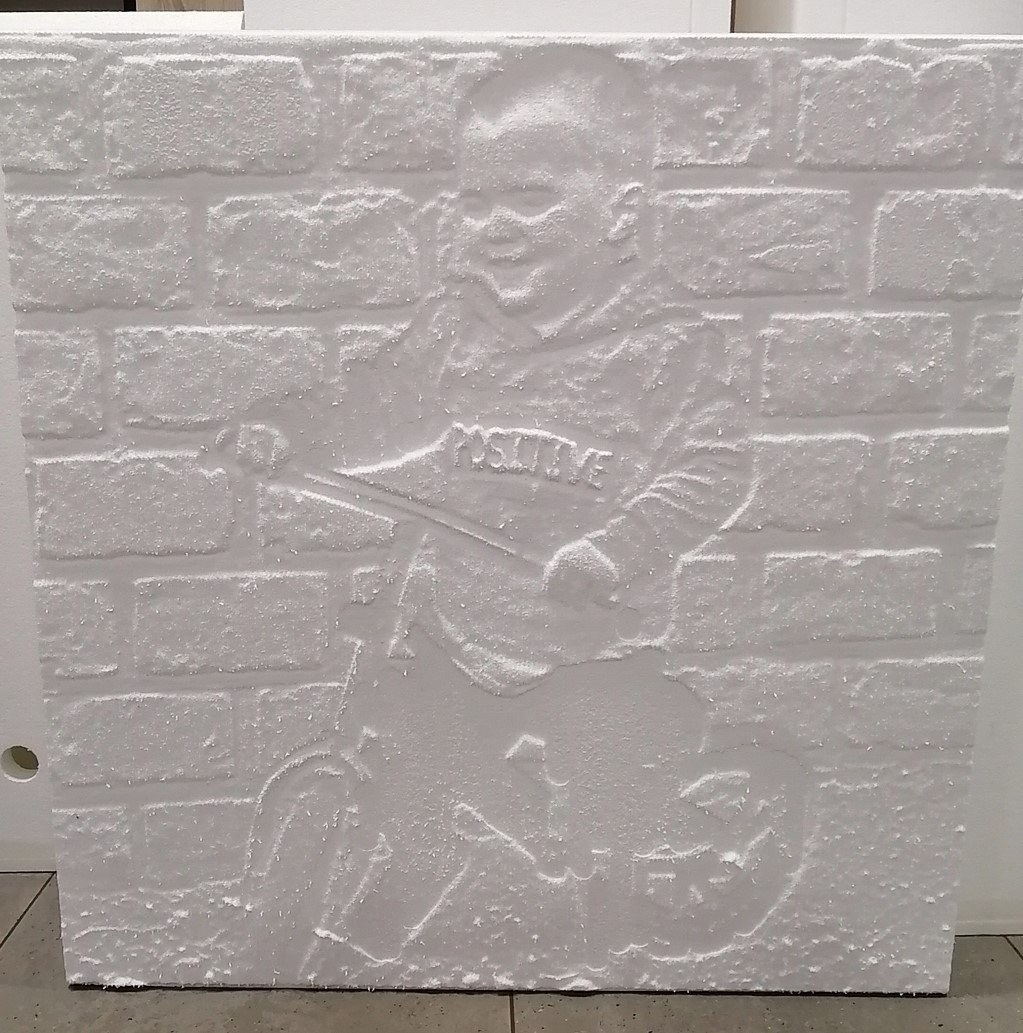
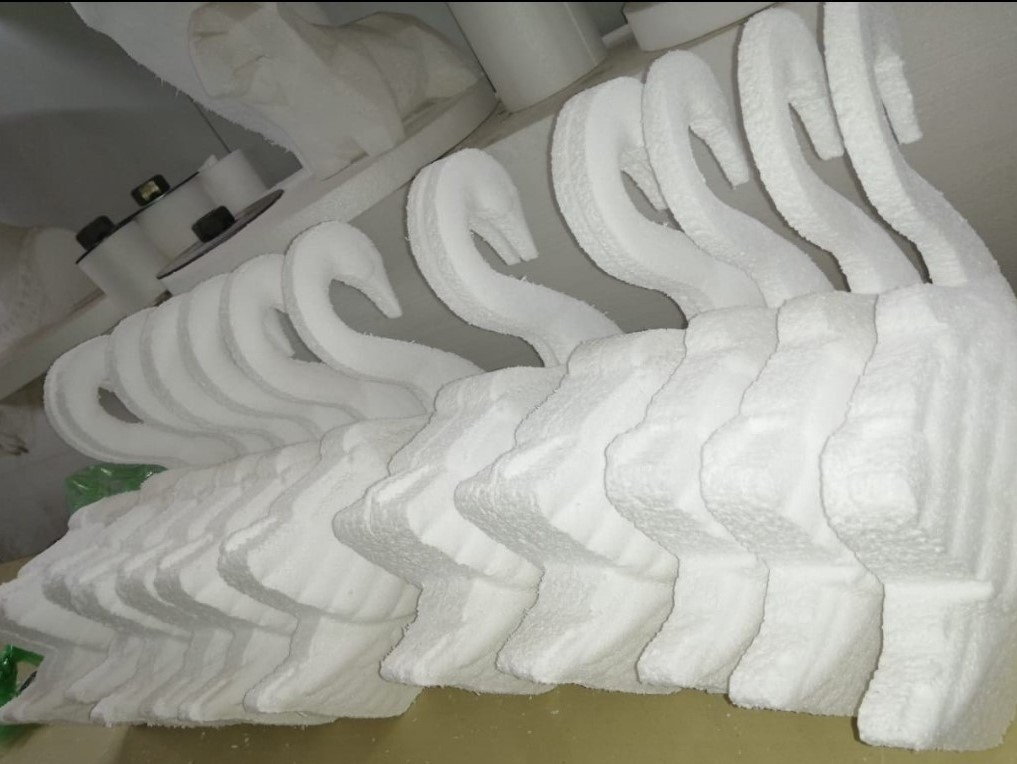
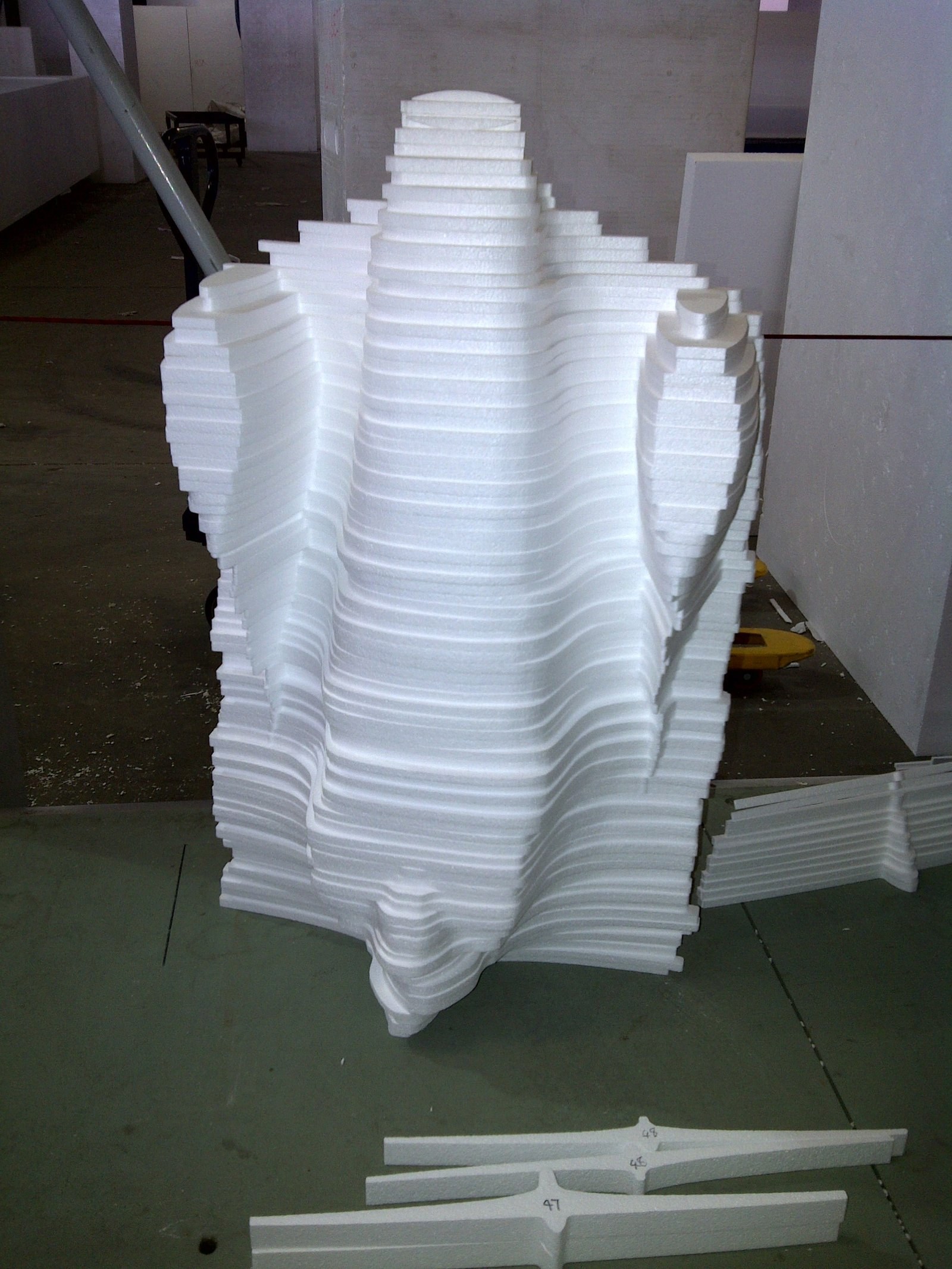
CNC-milled EPS forms, signage, sets and architectural mouldings.

Kit queued

3D Milling
Technical documentation

The 3D Milling kit

Brochure, design guide, engineering specification, CAD details and an interactive calculator.

PDF
Product brochureOne-page overview, key specifications, applications.
Download
PDF
Technical design guideFull design guidance, worked examples, standards references.
Download
PDF
Engineering specificationClause-referenced specification text for your tender documents.
Download
DWG
CAD detailsIn preparation.
Coming soon
APP
Interactive calculatorIn preparation.
Coming soon
At a glance

Key specifications

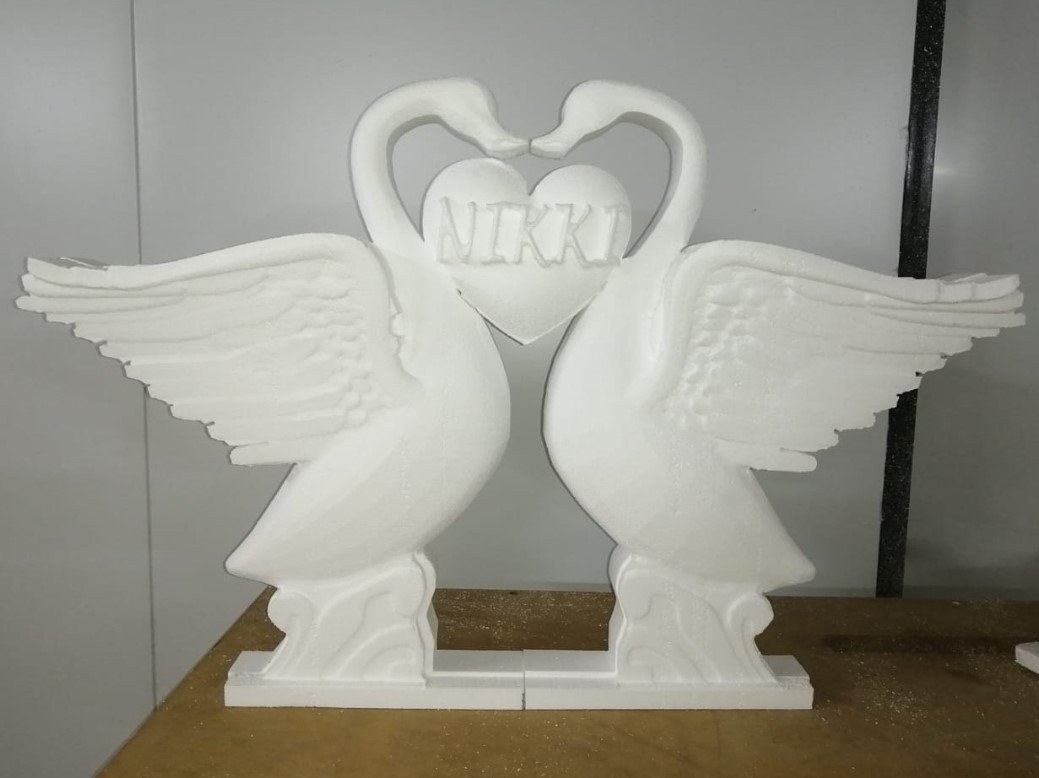
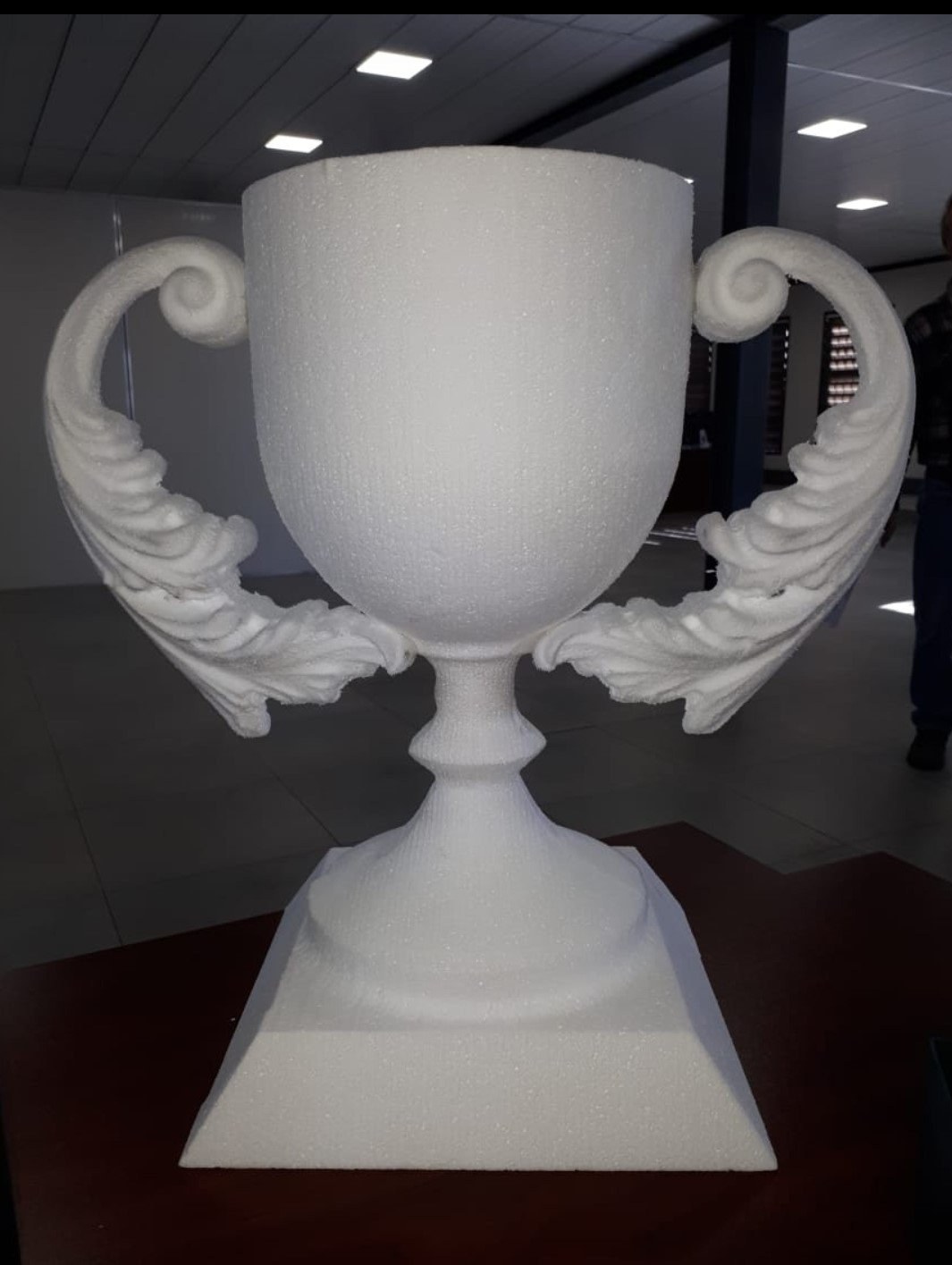
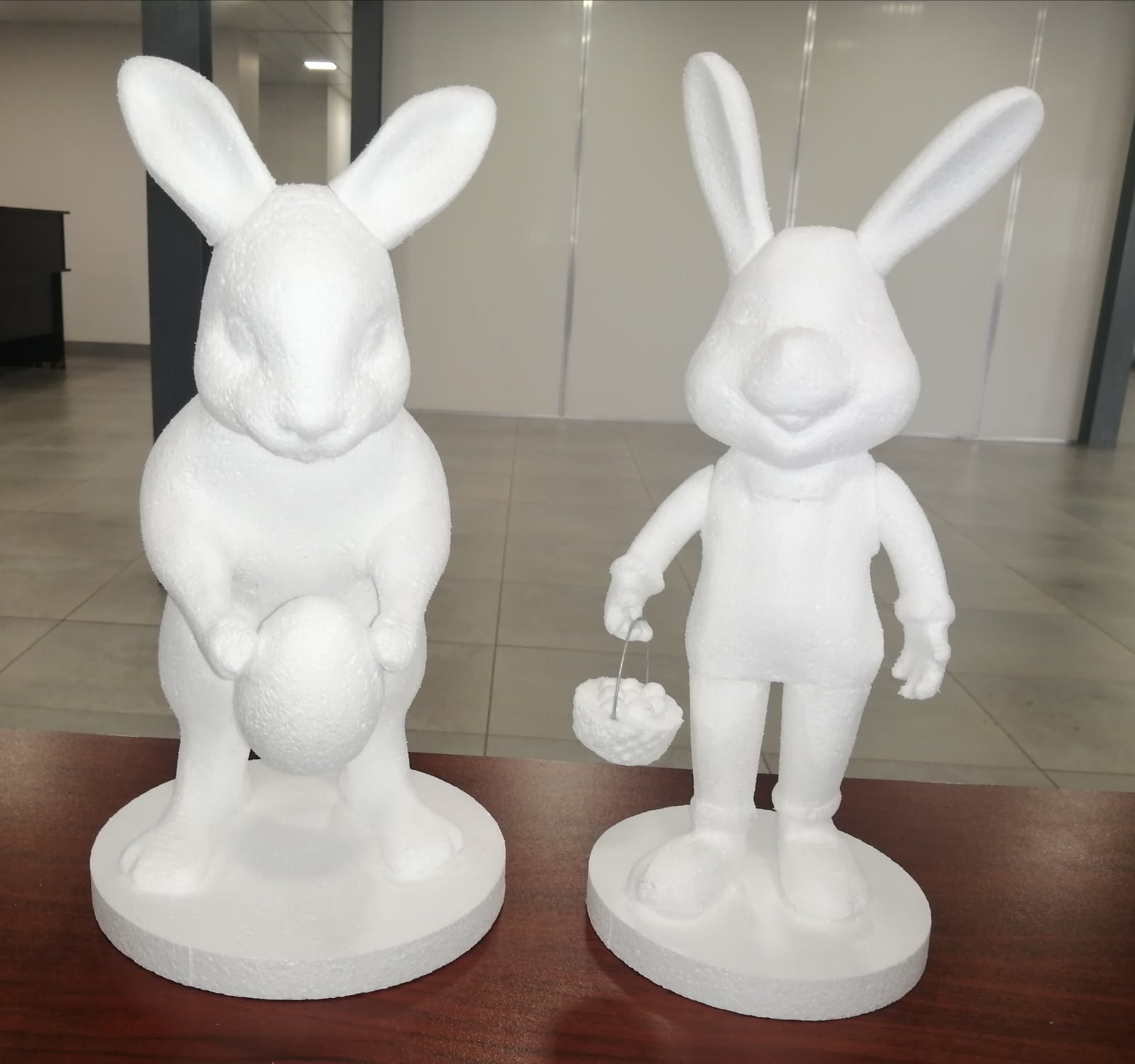
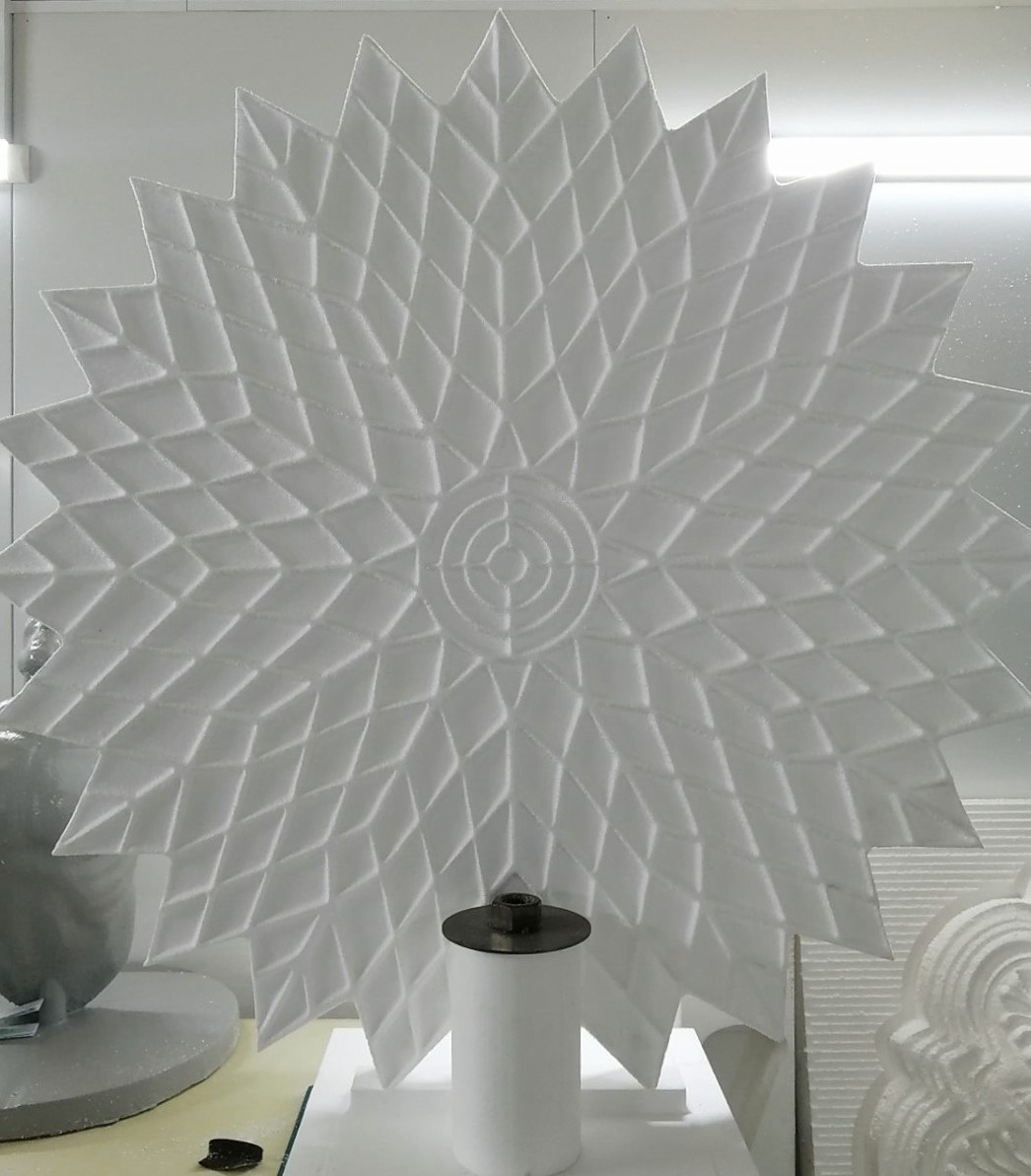
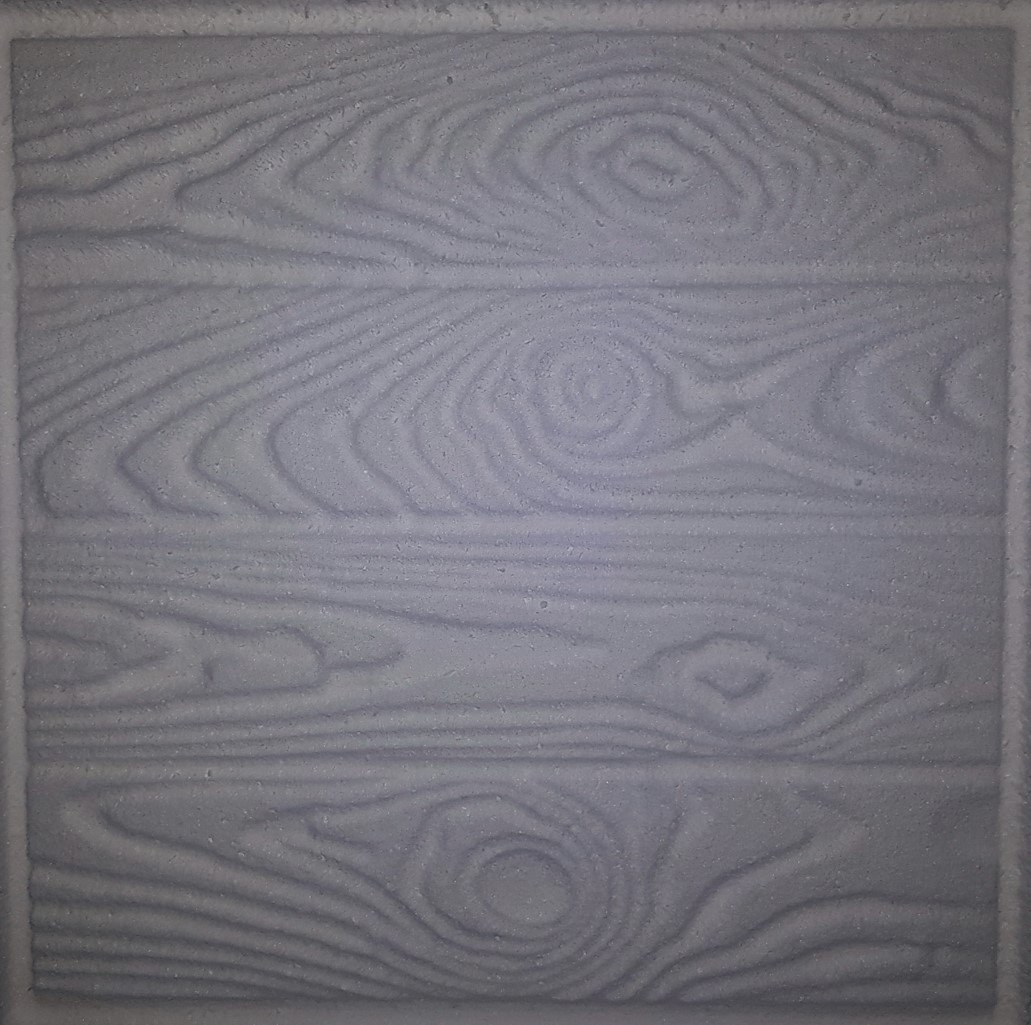
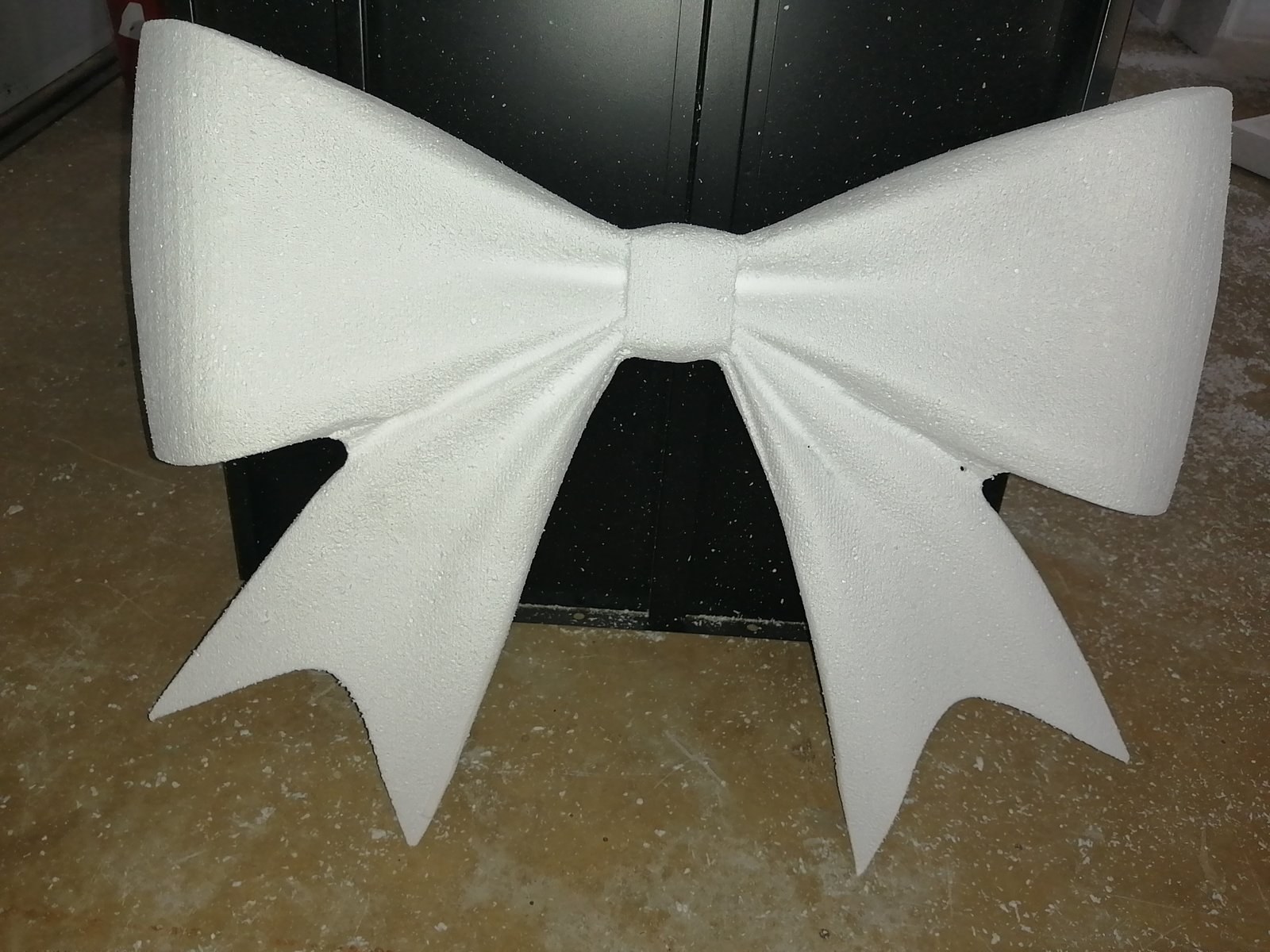
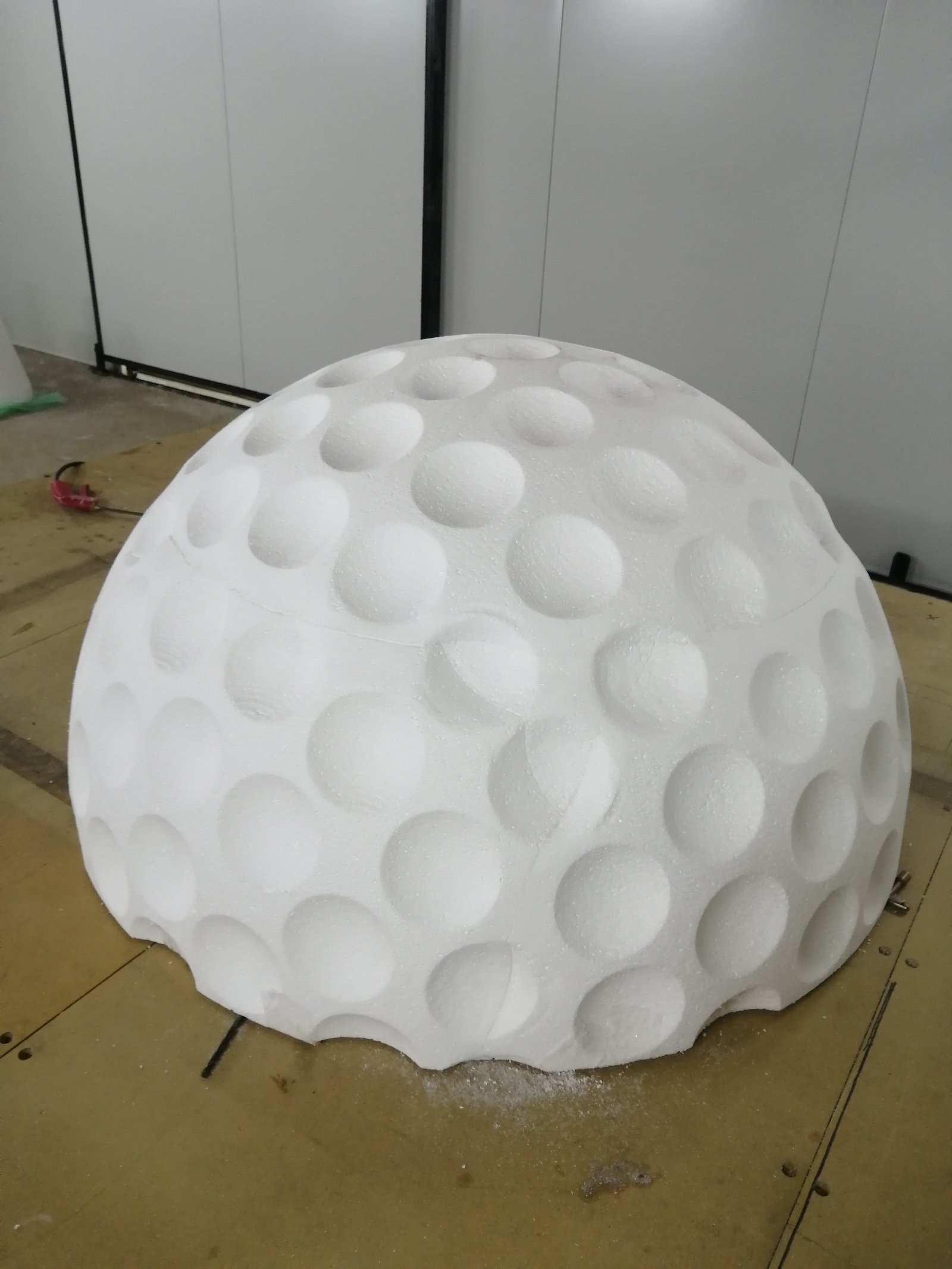
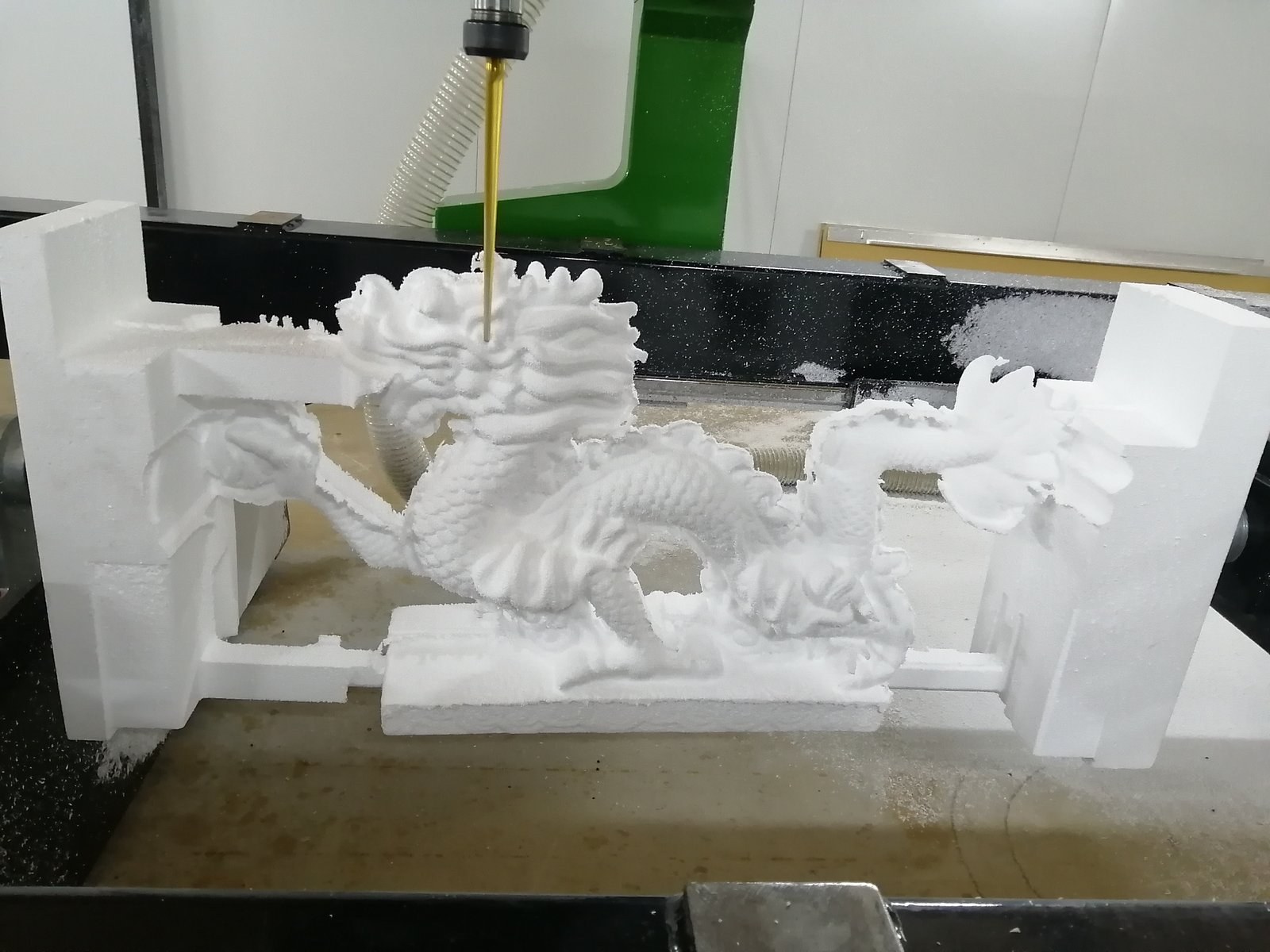
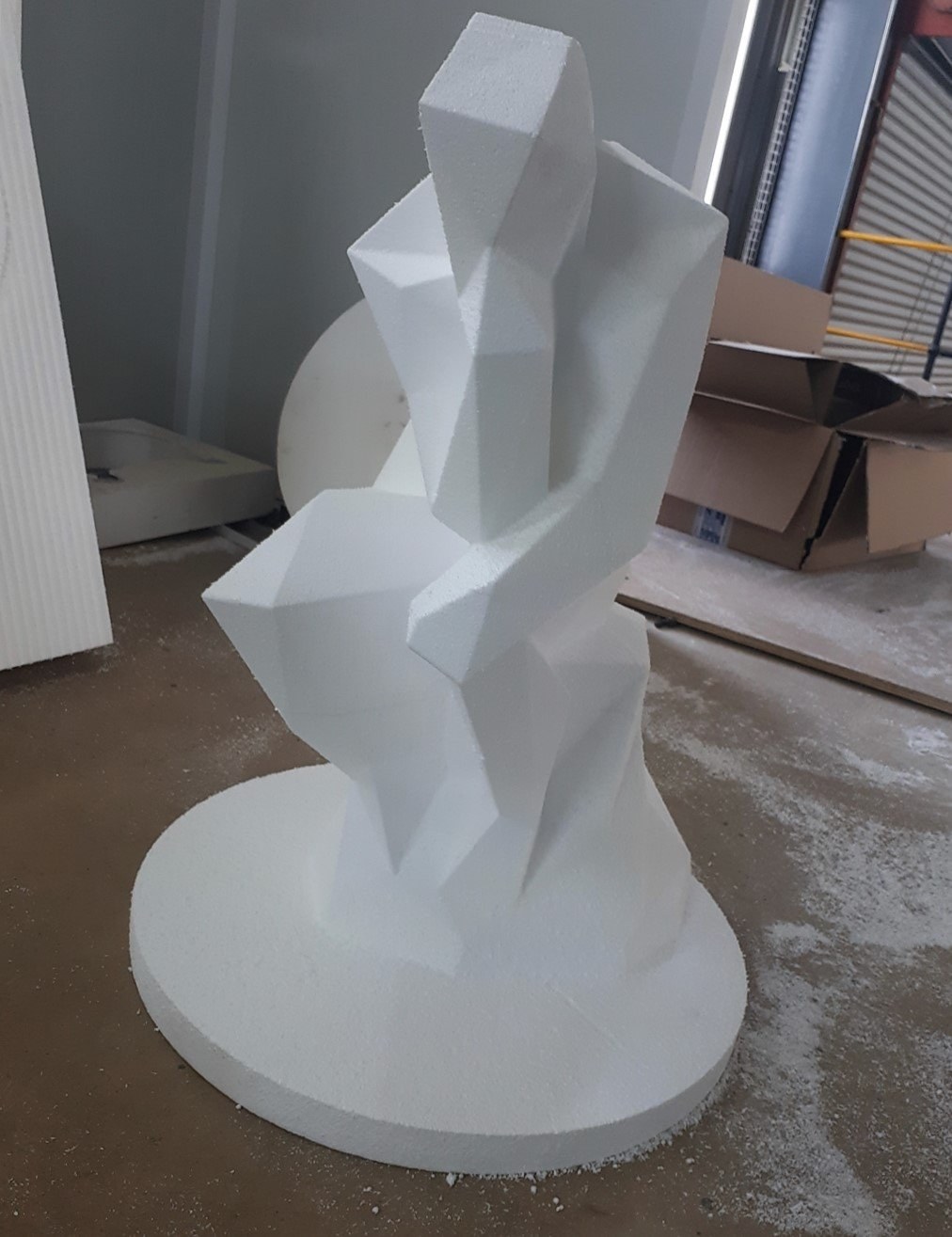
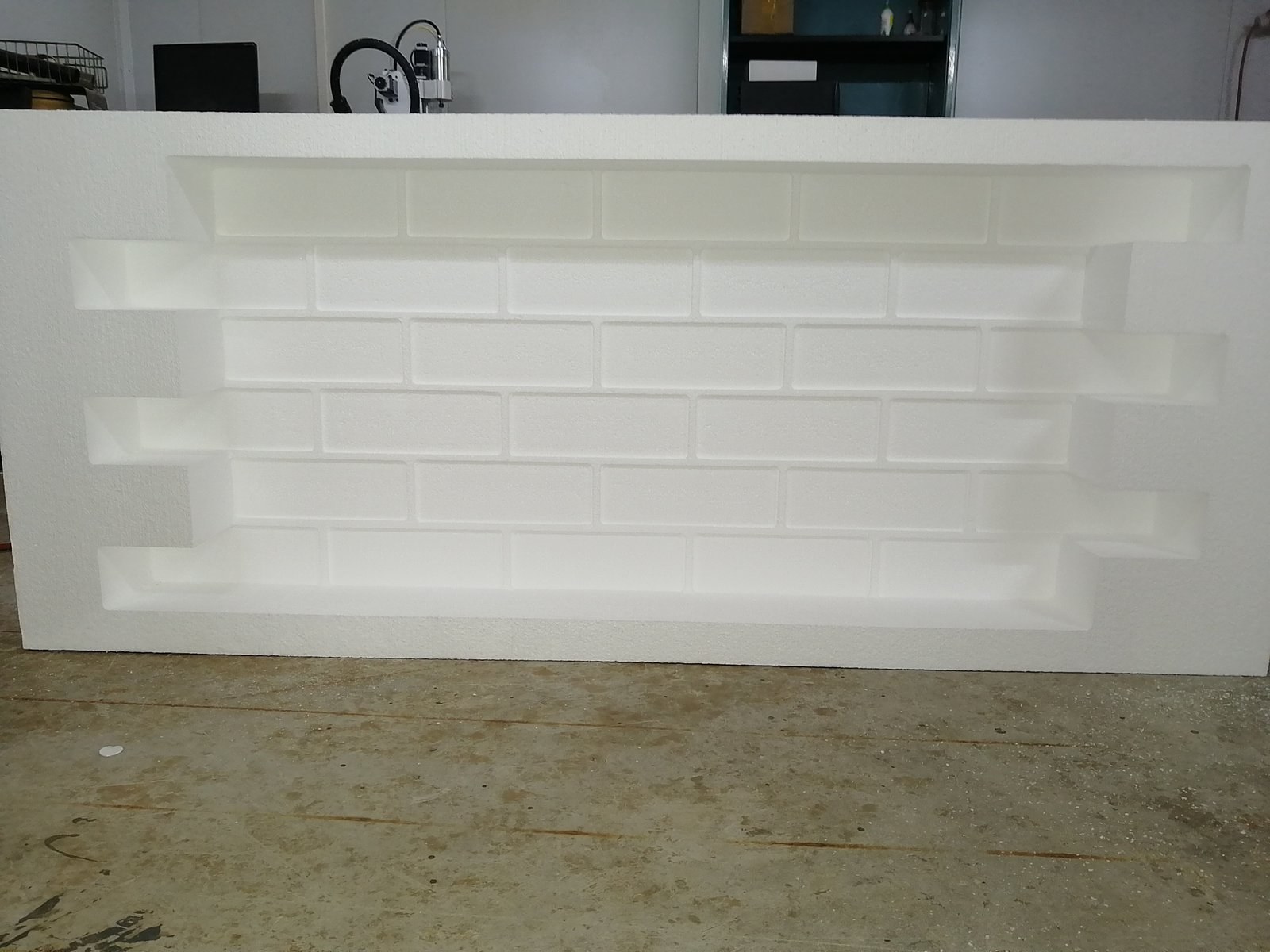
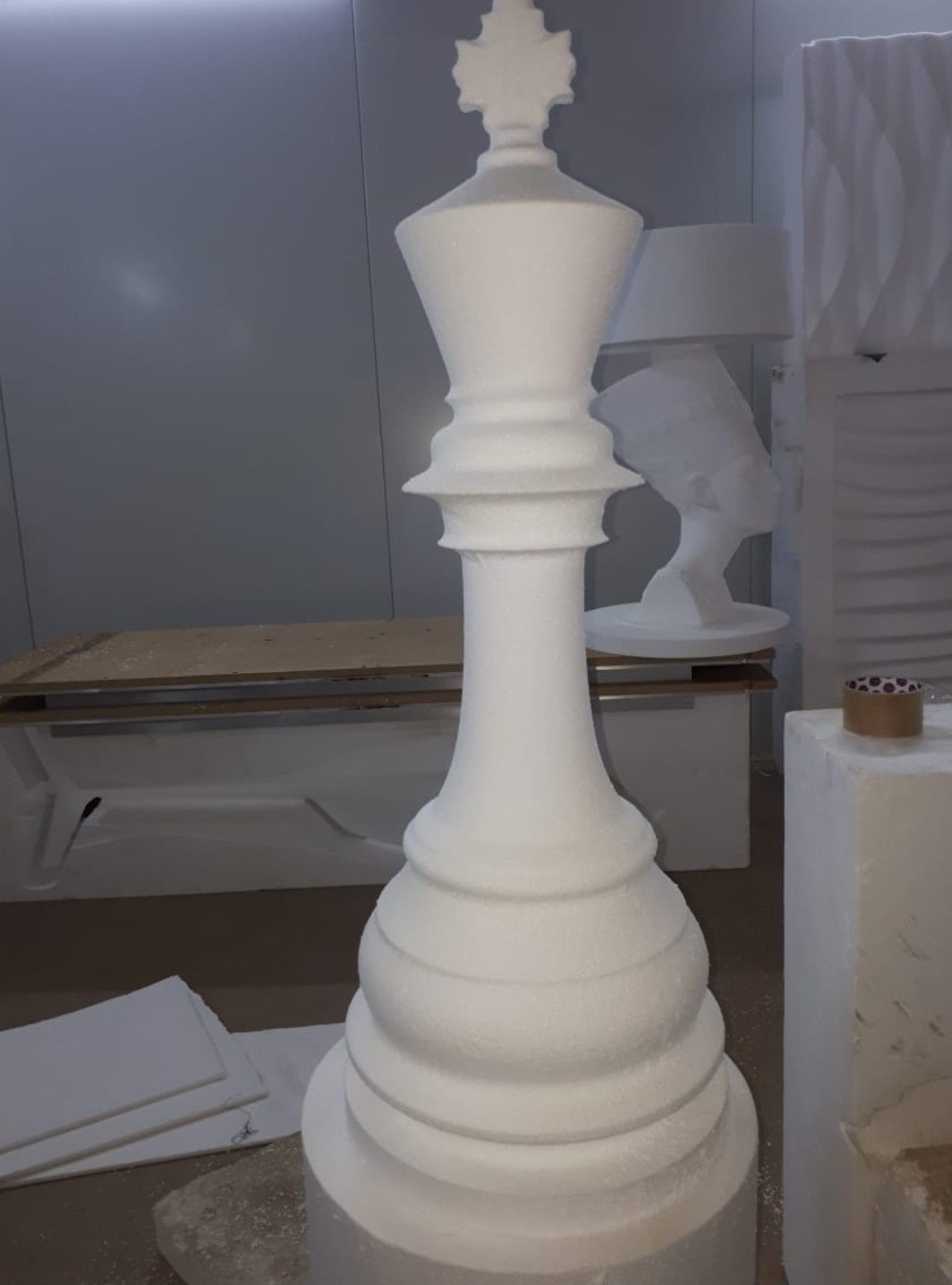
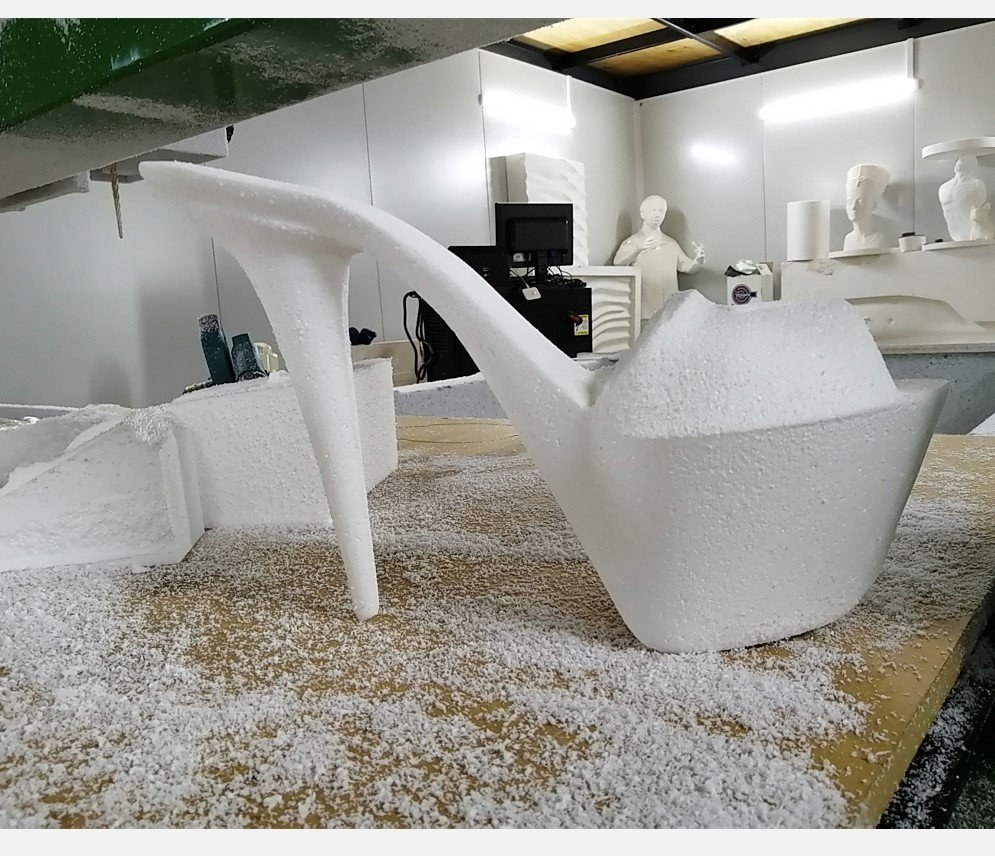
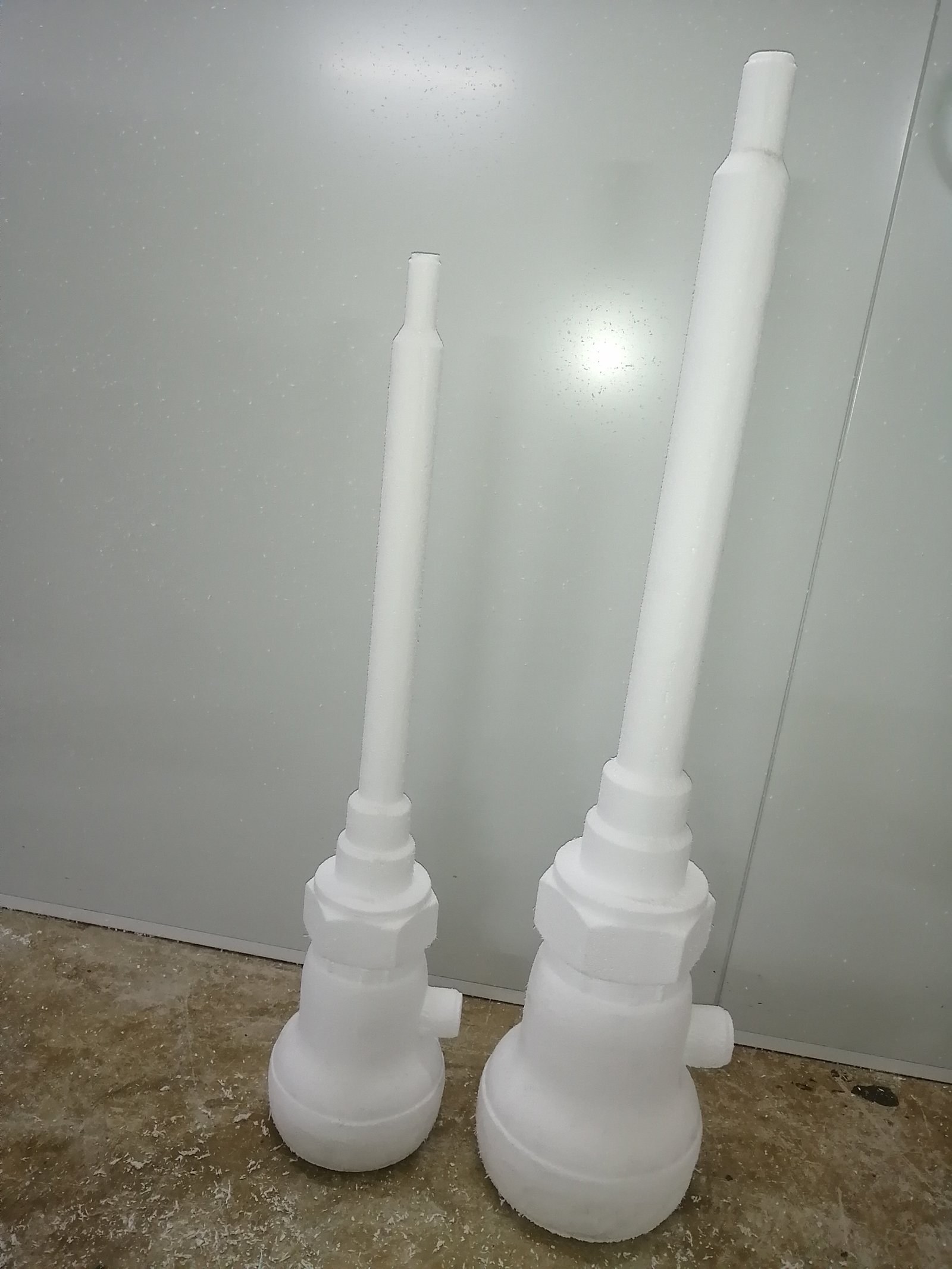
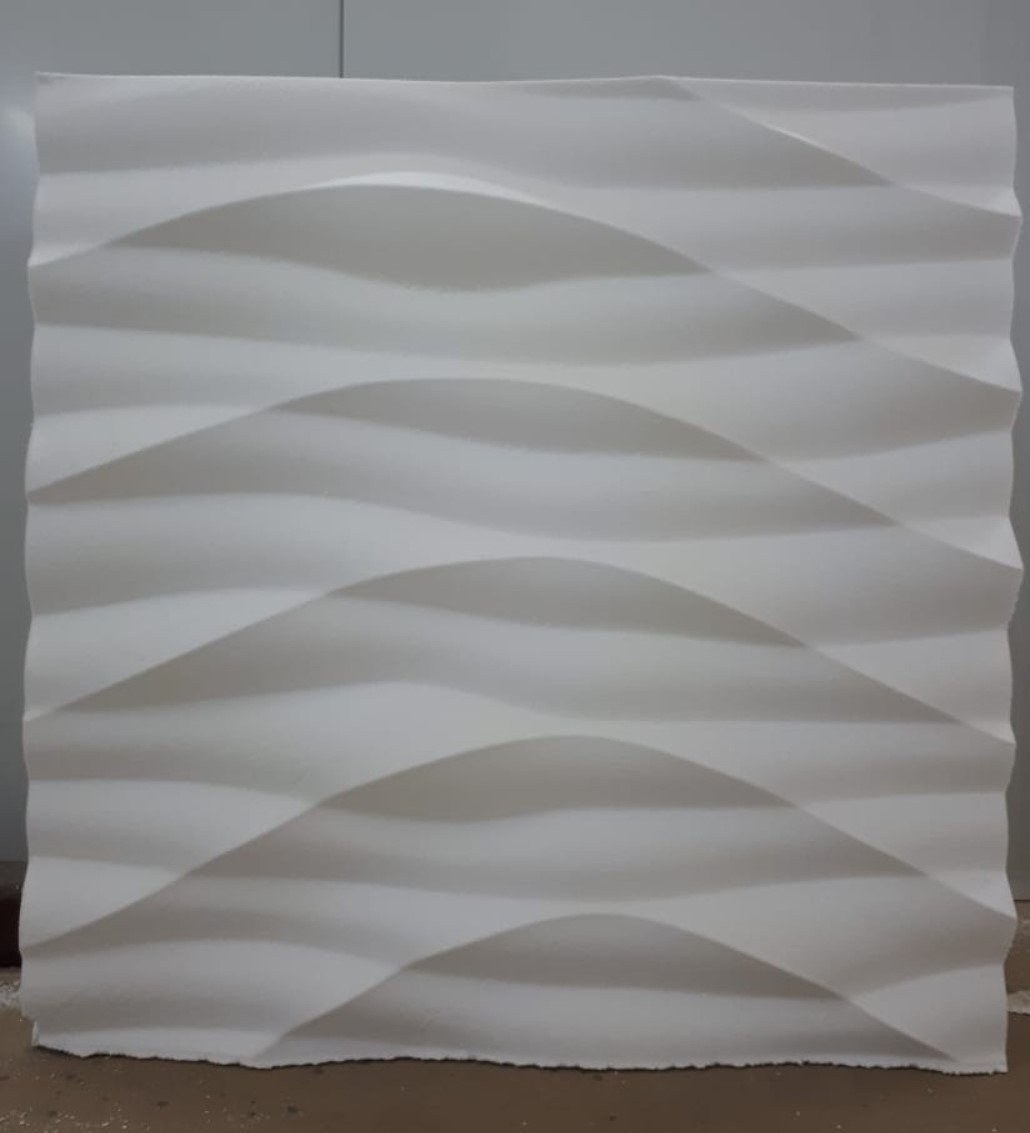
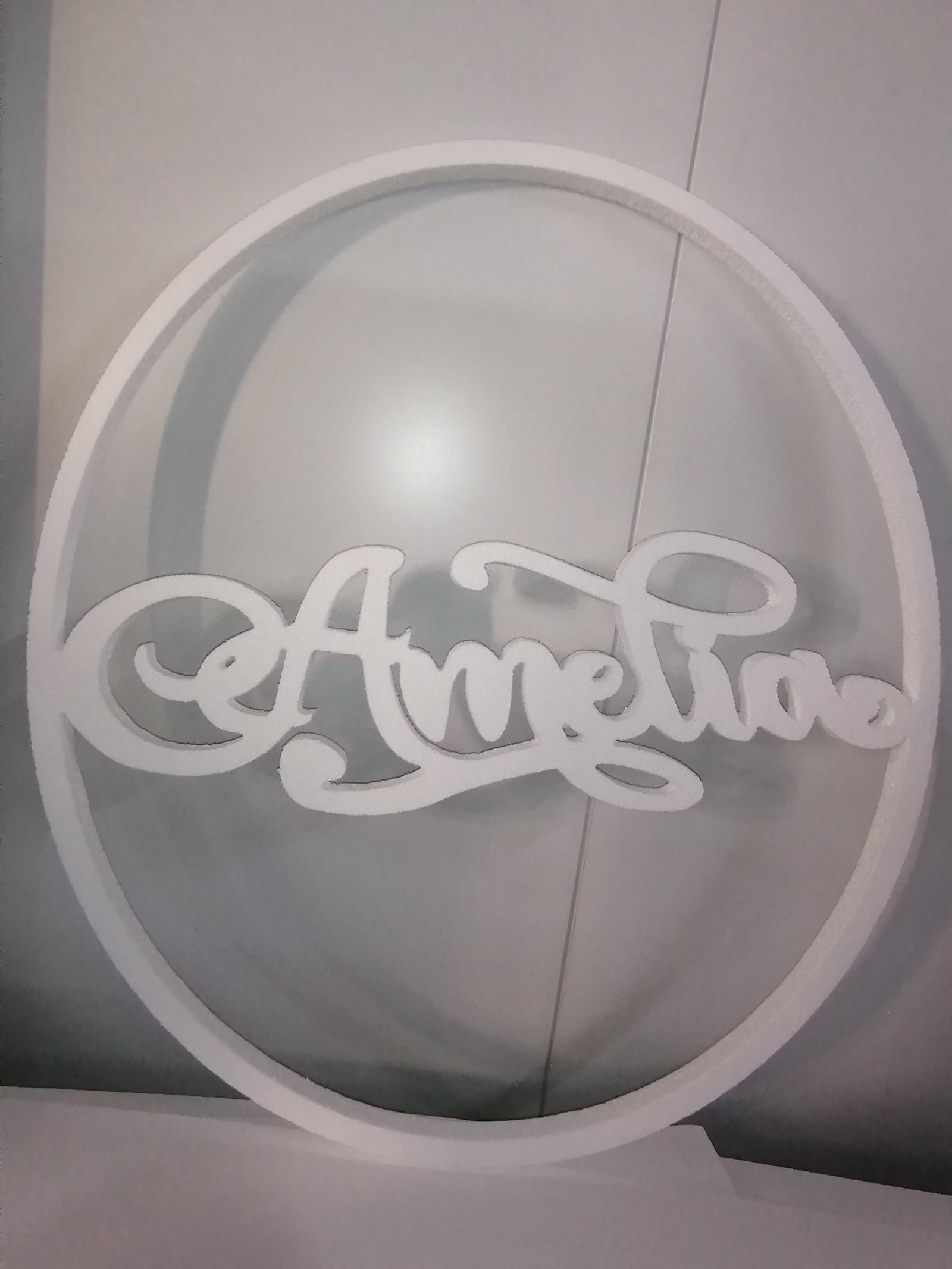
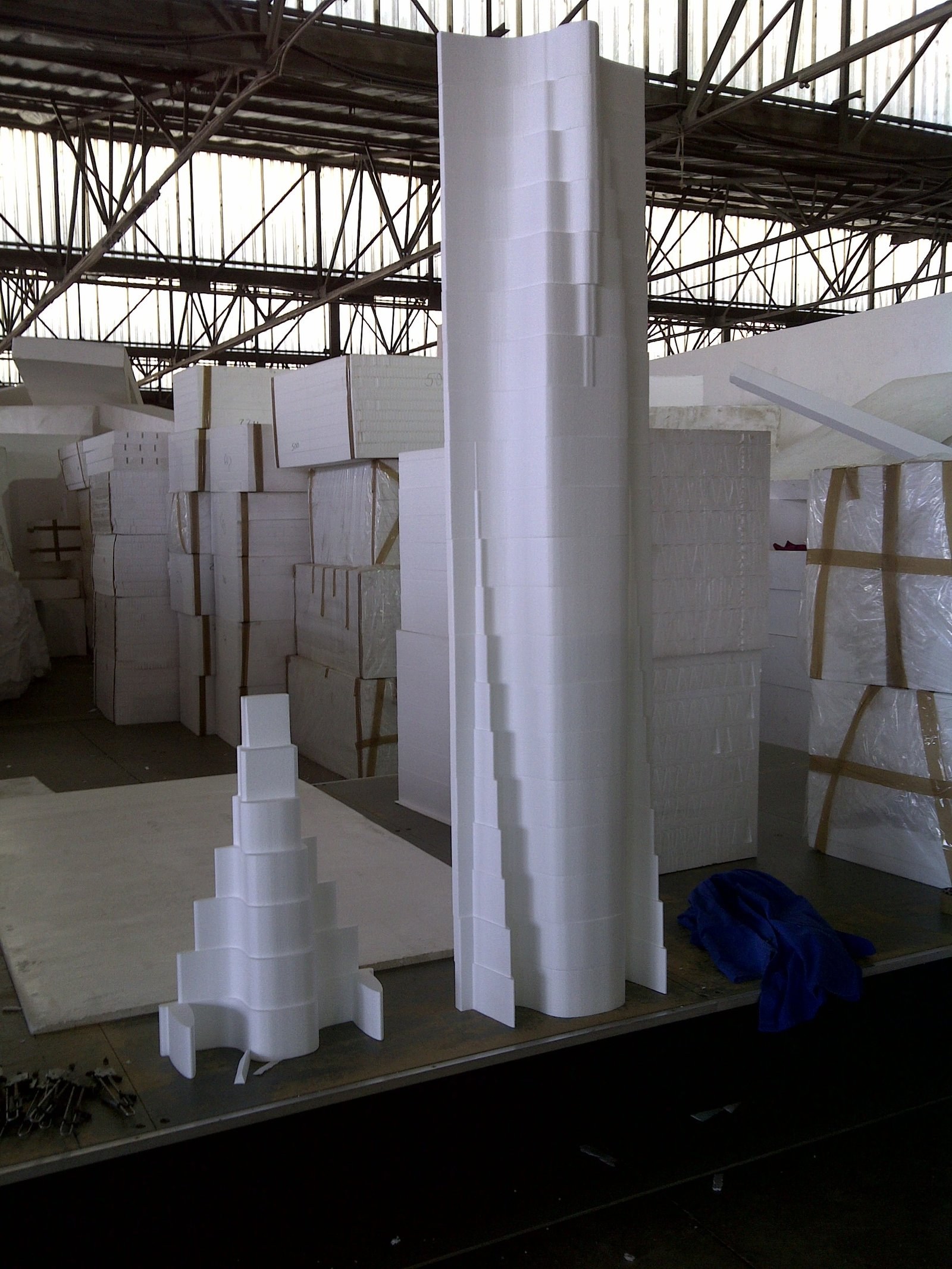
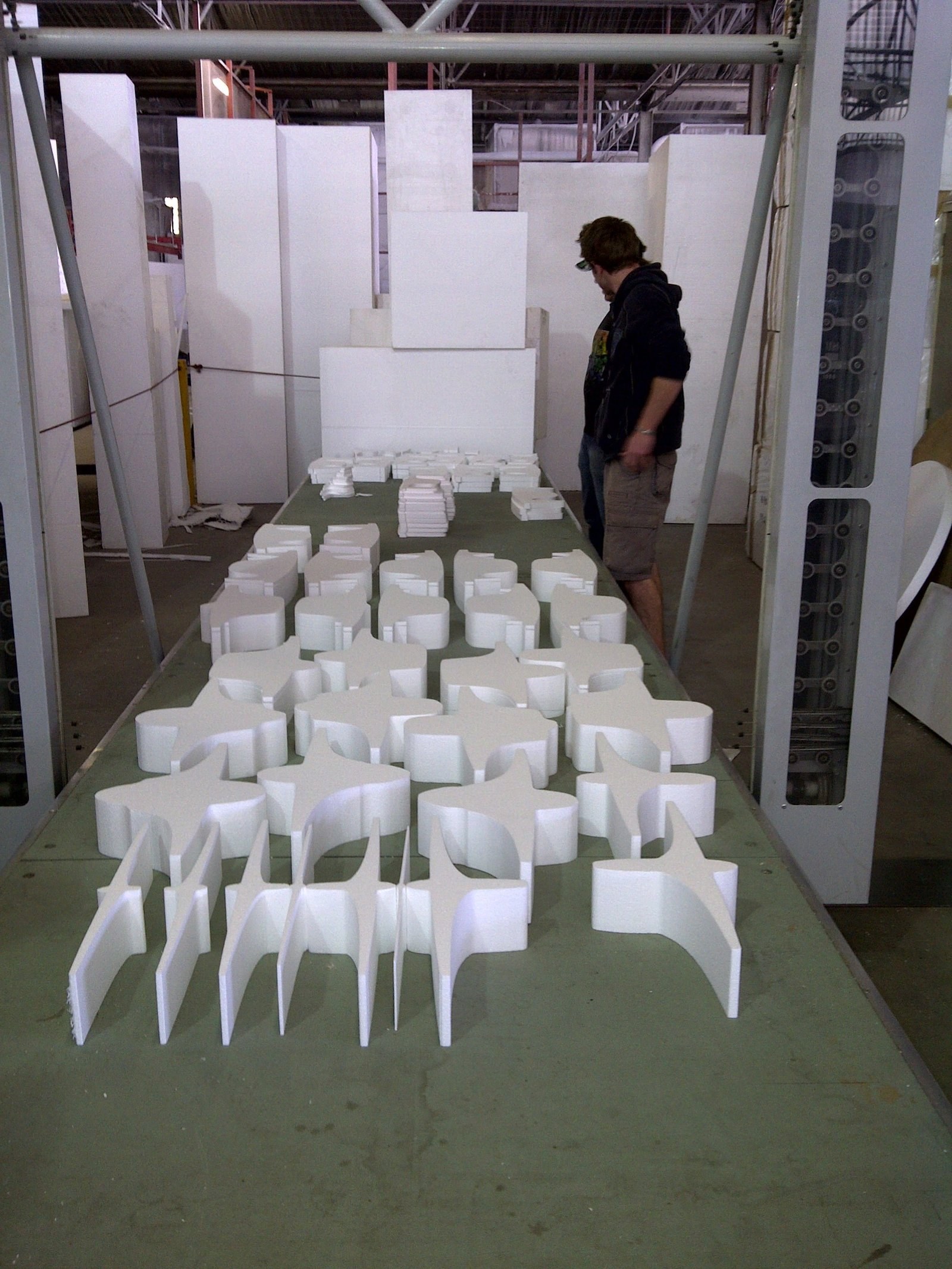
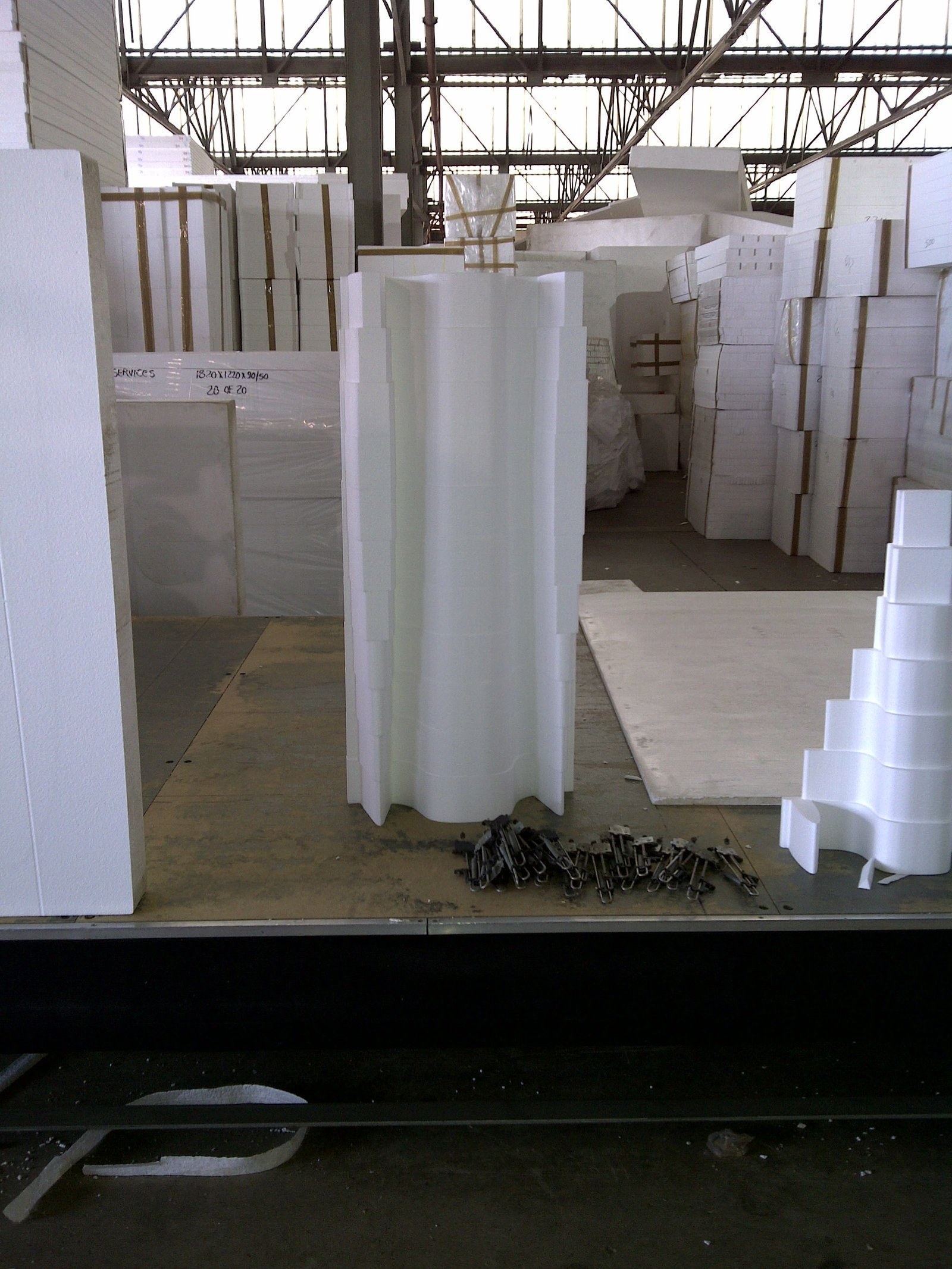
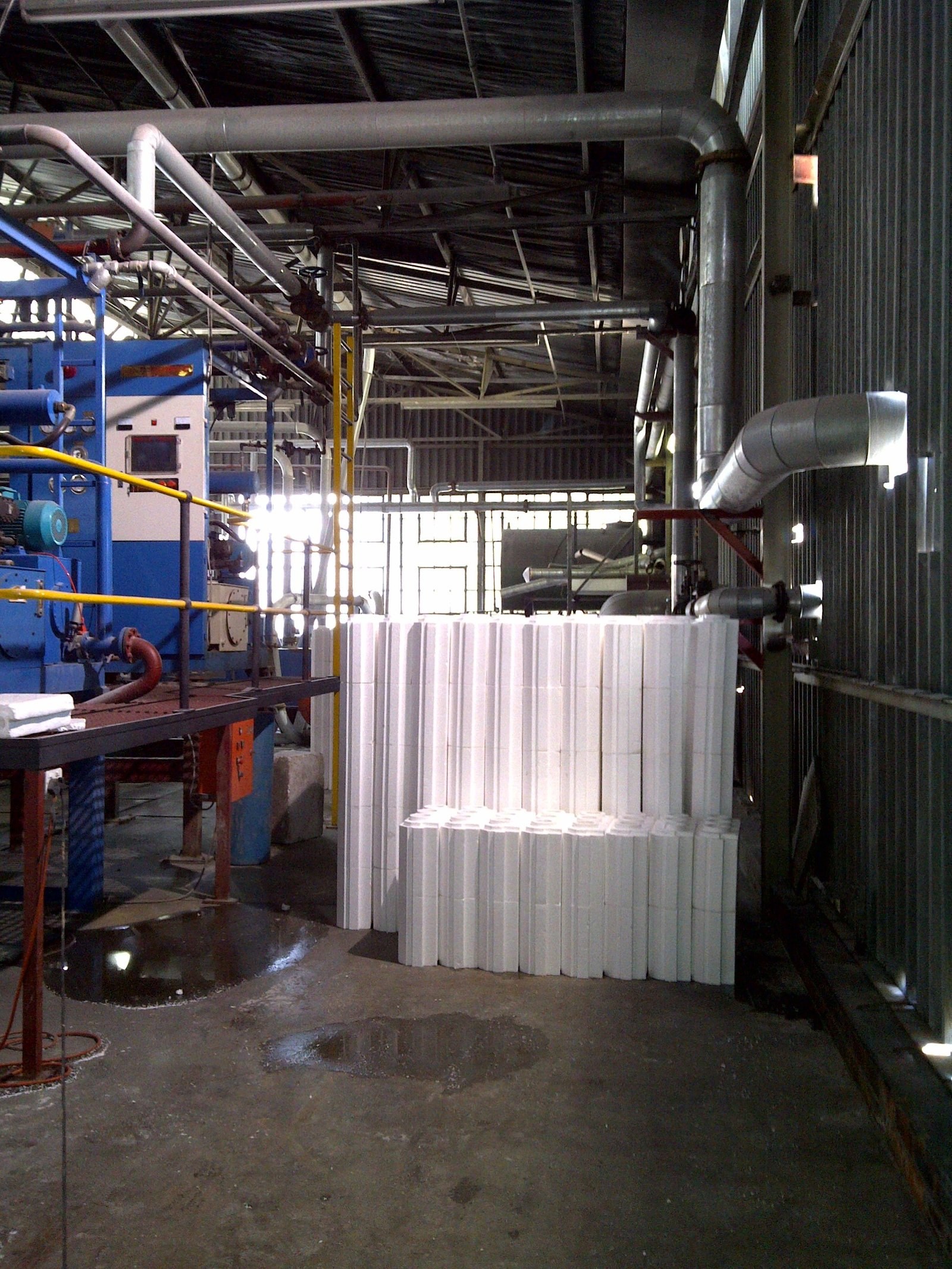
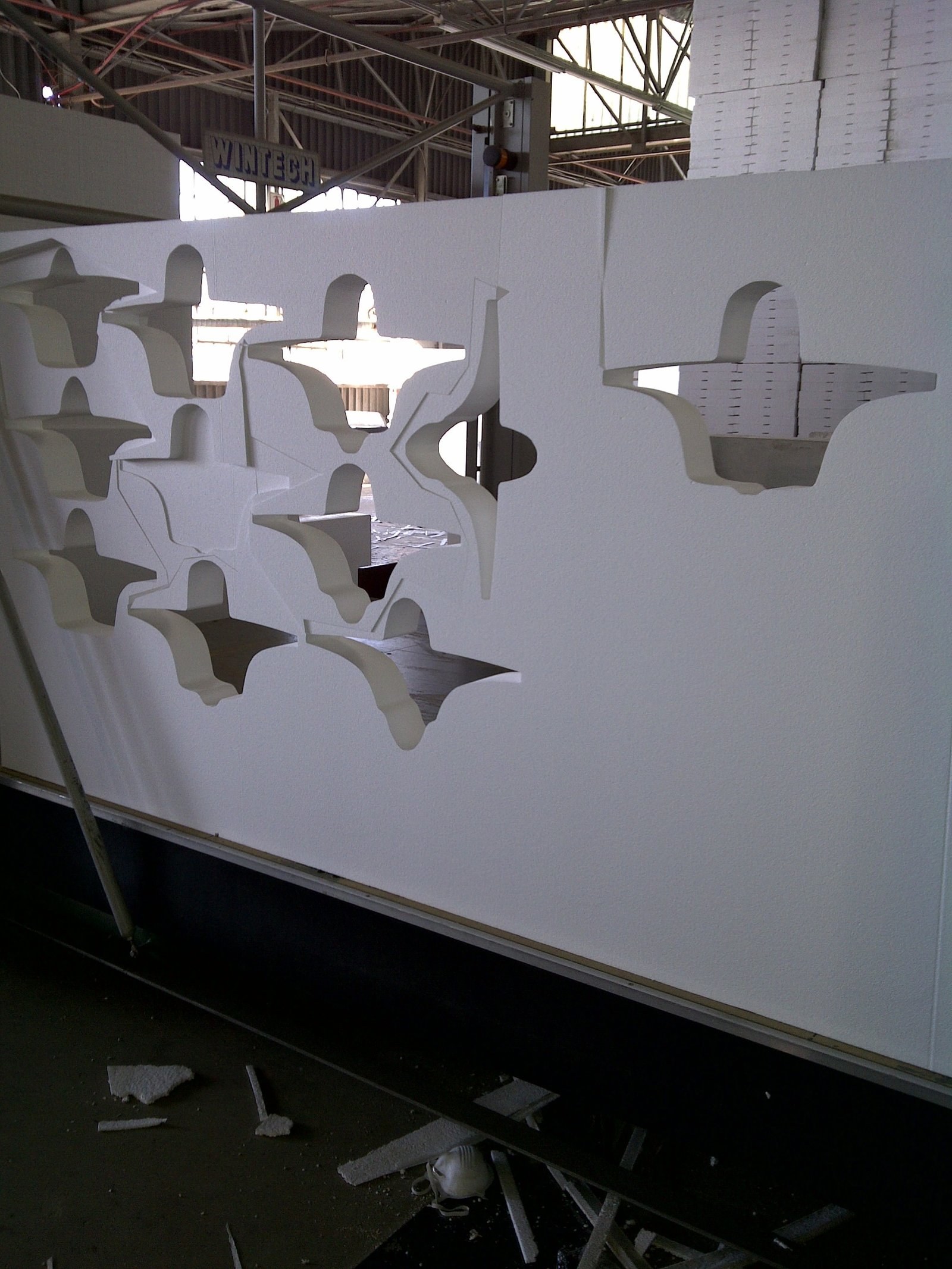
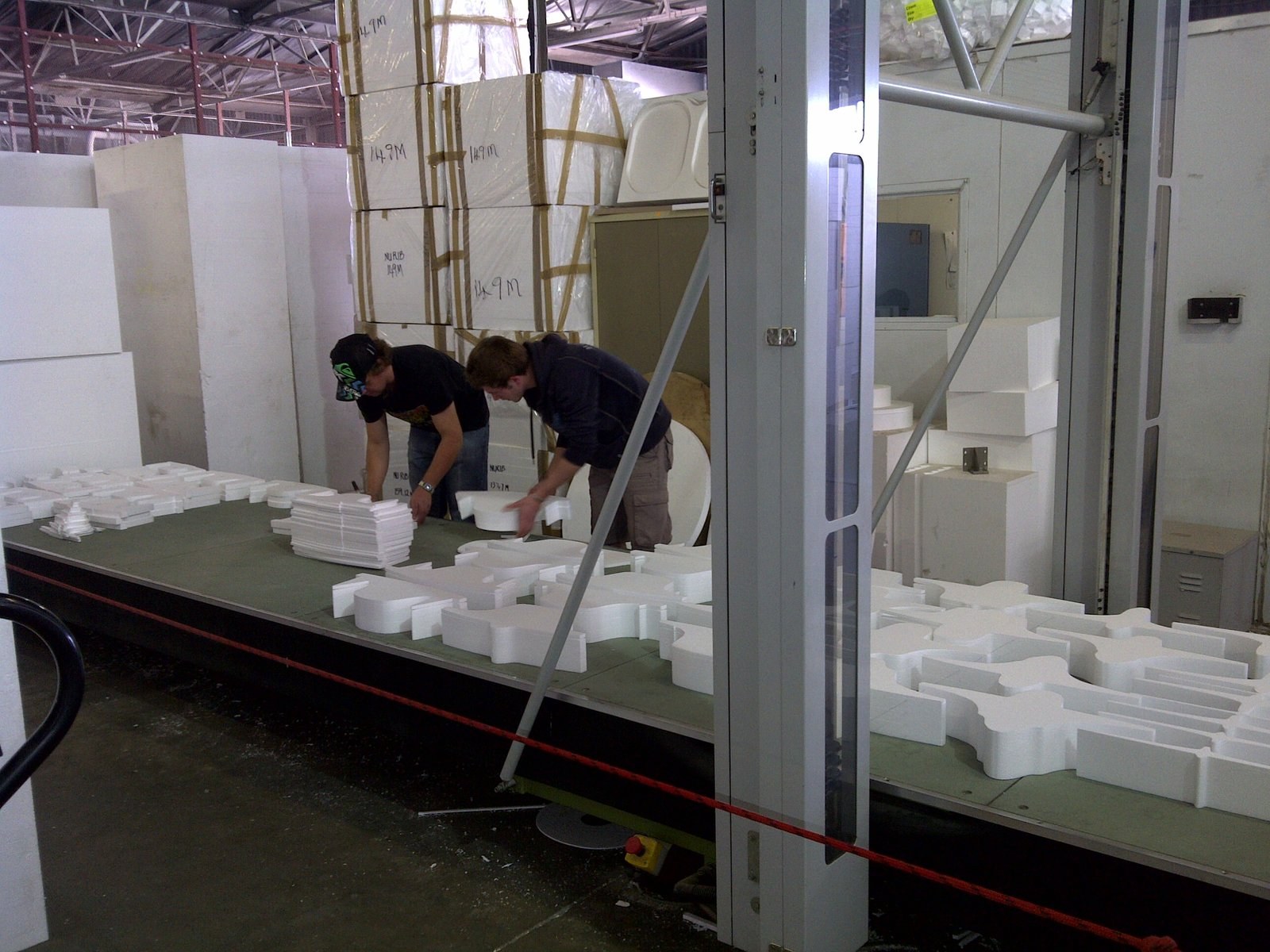
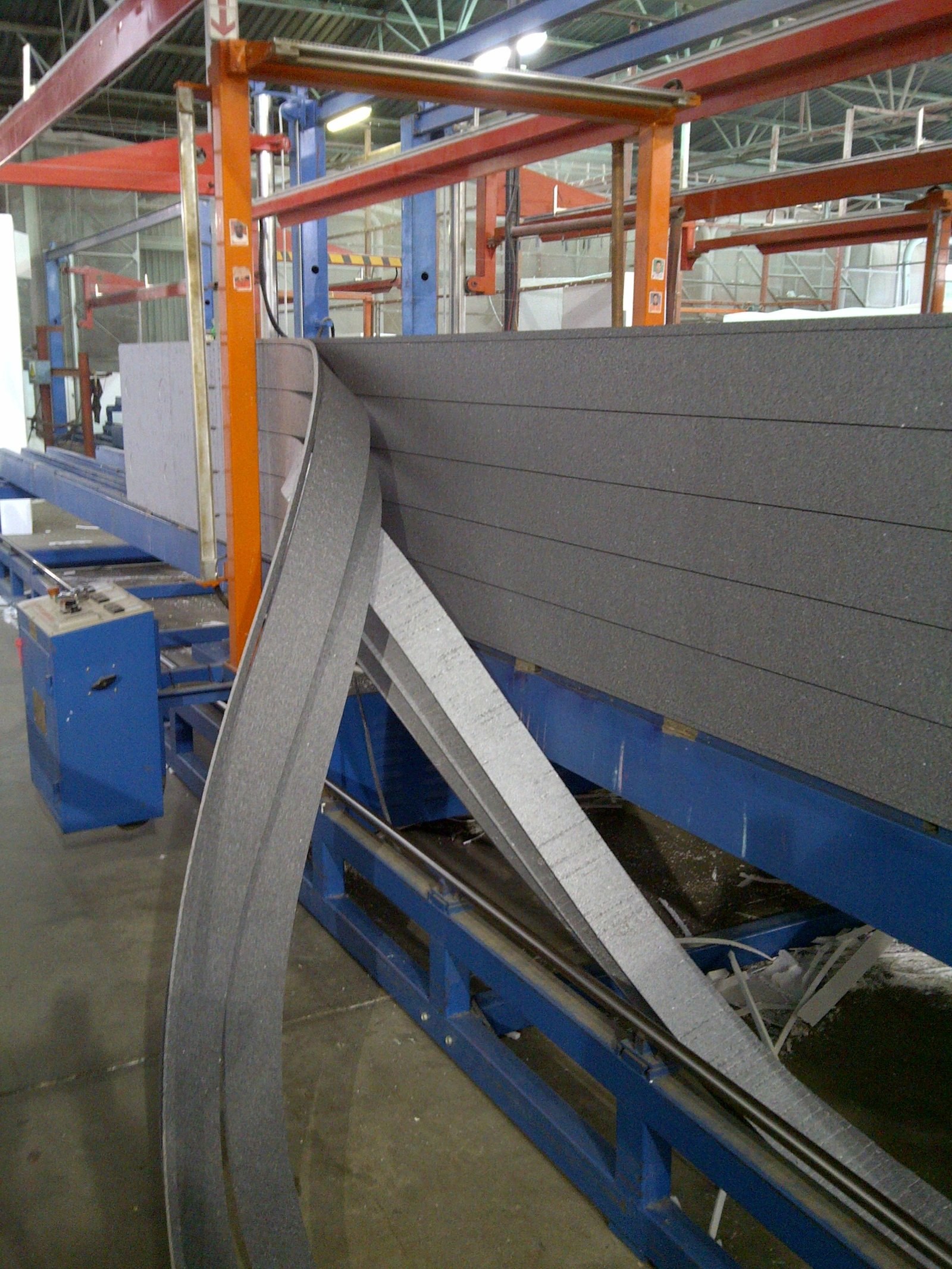
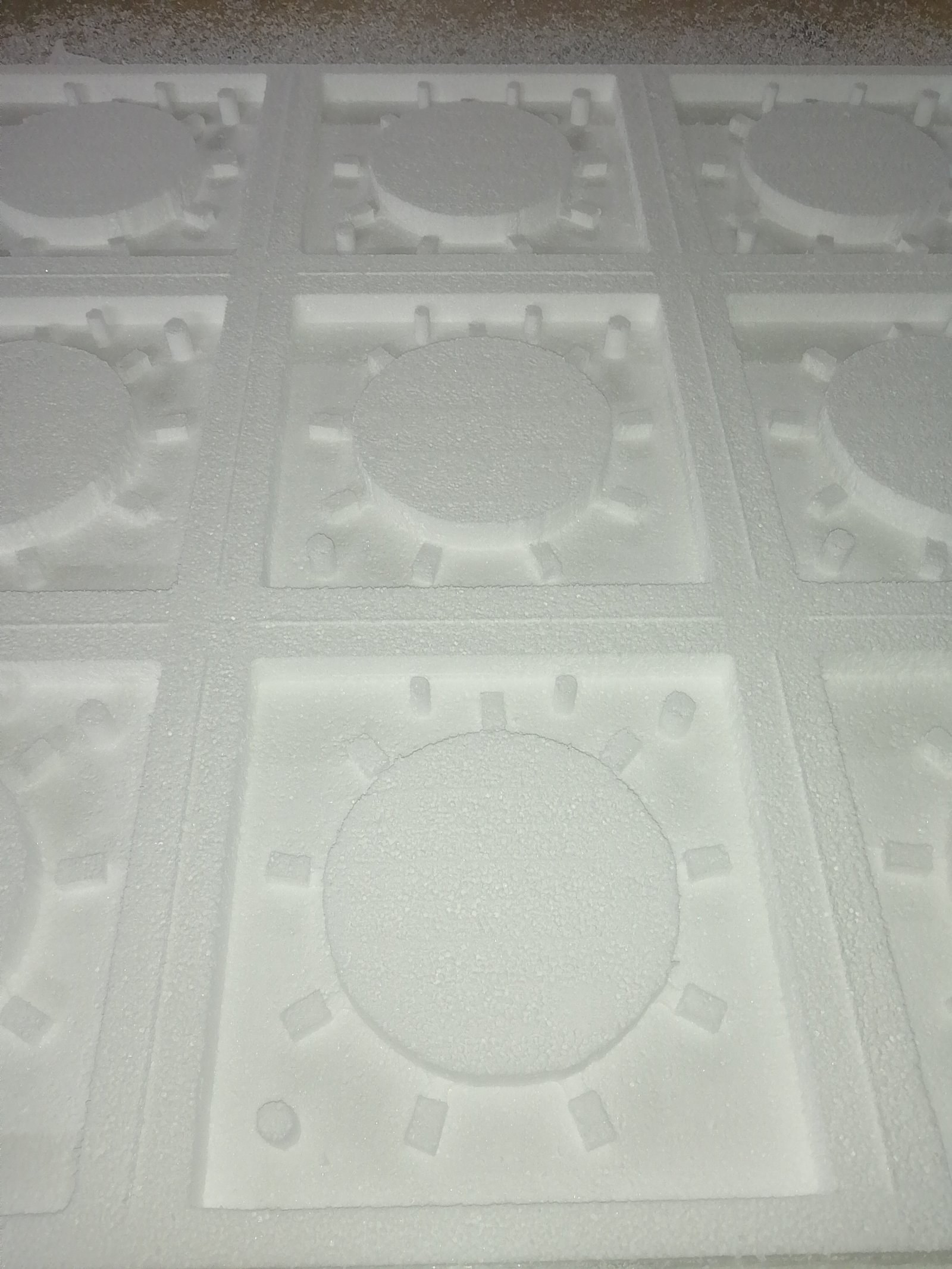
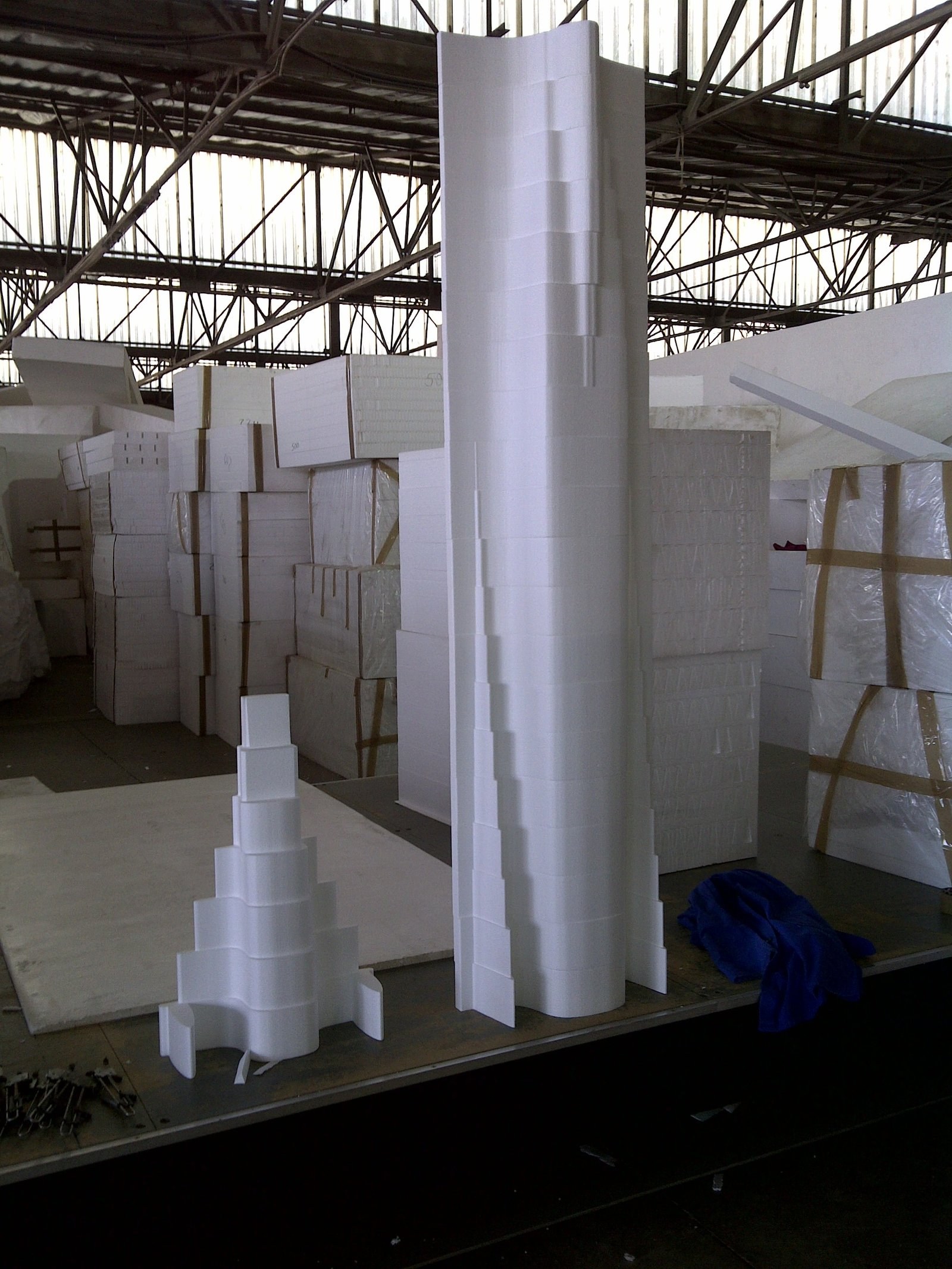
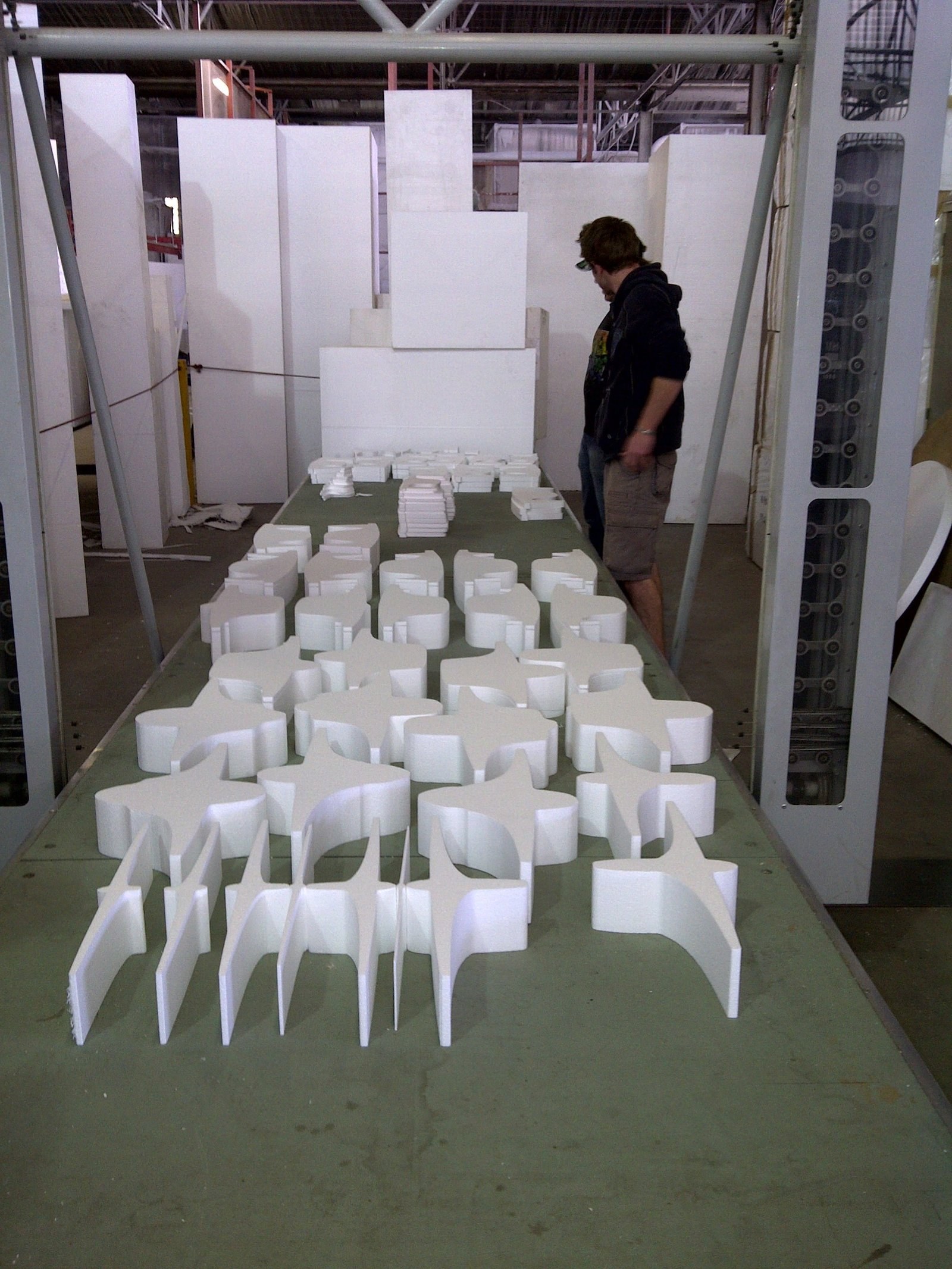
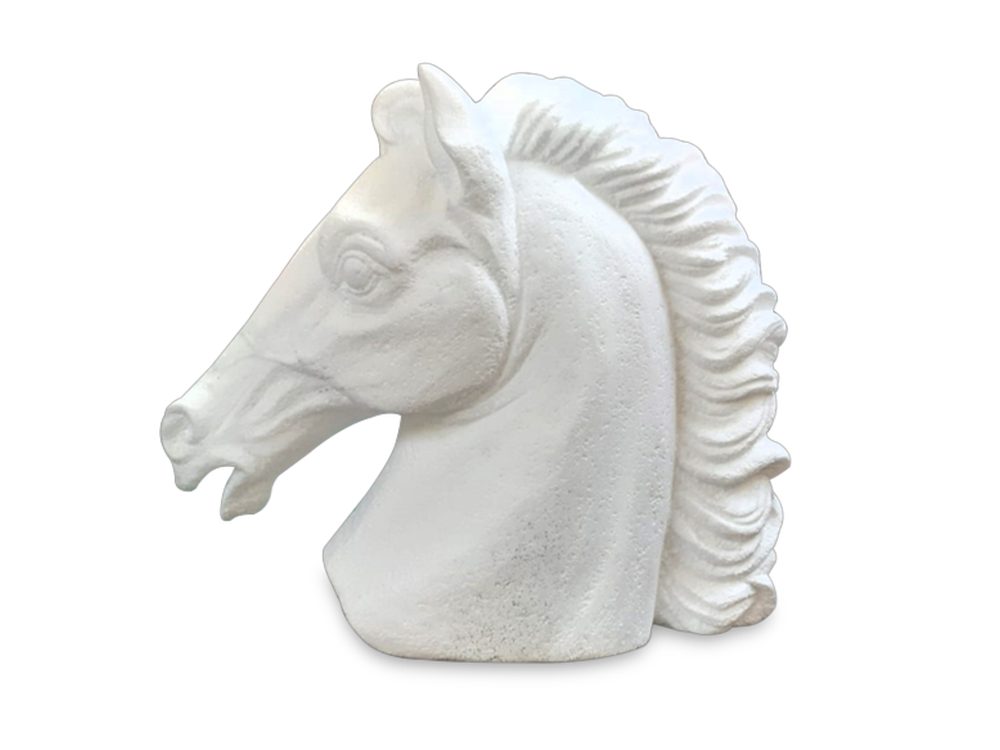
3D Milling is a made-to-order service in which Technopol's FROGMill CNC heavy-duty 4th-axis router carves full 3D forms from expanded-polystyrene (EPS) blocks to a customer's CAD file, worked either flatbed (XY) or on a rotary lathe.

PropertyValueStandard
Process / machineFROGMill CNC heavy-duty 4th-axis milling router; carves full 3D EPS forms to customer CAD, worked flatbed (XY) or on a rotary lathe
Base materialExpanded polystyrene (EPS); carving grade customer/detail-dependent
Thermal conductivity (λ, k-value @10°C, max)0.033–0.045 W/m·K
Nominal density (grade range 30DV–12SD)12–30 kg/m³
Compressive stress @10% compression (min)60–200 kPa
Maximum part sizeFlatbed 2650 × 1250 × 254; lathe/rotary 1800 long × Ø488 mm
Oversized partsBuilt from multiple segments joined with interlocking puzzle joints
Protective coatingPolyurethane — supplied by Technopol, applied by client; waterproof, abrasion/impact/corrosion resistant, durable up to ~10 years
Accepted CAD file formats3D: IGS/IGES, STP/STEP, STL, OBJ · 2D: DWG, DXF
Company certificationsISO 9001:2015 (ISO 14001 & 45001 lapsed Mar 2026, recertification in progress); Agrément SA 2020/609 (covers the LiteCore Building System only)

Grade-dependent: the 3D Carvings brochure specifies no EPS grade — the grade a carving is cut from is customer/detail-dependent. λ, density and compressive strength therefore follow the chosen grade; the values shown span Technopol's full 12SD–30DV EPS datasheet (30DV: λ 0.033, 200 kPa; 12SD: λ 0.045, 60 kPa). These are general EPS datasheet figures, not a per-carving guarantee. Fire: no reaction-to-fire class and no fire-resistance (REI) rating is specified for milled carvings, and standard EPS is combustible. Technopol's separate flame-retardant grade, FRCel, is classified B-s1,d0 to SANS 53501-1 (tested on an ≈18.37 kg/m³, 60 mm sheet; Ignis test report 17.08.2023) — but its use in carvings is undocumented and must not be assumed for this service. Coating is supplied only; application is carried out by the client/contractor. No coating datasheet (DFT, coverage, UV, adhesion, fire behaviour) was located.

Values from Technopol technical documentation. Confirm the exact figures for your specification with Technopol.

Every number, its source

Performance data & provenance

Each figure is labelled with how we know it — a named in-validity test, a supplier value, an in-house calculation, or a test whose validity has expired.

PropertyValueStandardSource reportStatus
Thermal conductivity λ @10°C0.033–0.045 W/m·KProvisional
Nominal density (grade range)12–30 kg/m³Provisional
Compressive stress @10%60–200 kPaProvisional
Reaction to fire (FRCel grade; use in carvings undocumented)B-s1,d0 (if FRCel specified)SANS 53501-1IT 23-08-00009Provisional

Labels are defined on our data promise; every source report is on the test-report register.

The limits

Where not to use this

A material specified for the wrong job fails you, then us. We would rather lose the order.

A carved form left as the final exposed surface — outdoor statuary, facade features, park props, anything the public can touch.
Bare milled EPS (12–30 kg/m³, PROVISIONAL) dents under a fingernail, degrades under prolonged UV, and is combustible — it will not last a season outdoors uncoated.
→ Apply a protective hard-coat/render system (Terraco or a polyurea-type coat) over the carving, or carve the piece in GRC, stone or timber where the surface itself must be durable.
Parts larger than the machine envelope — flatbed 2650 × 1250 × 254 mm, or rotary/lathe 1800 mm long × Ø488 mm (PROVISIONAL) — specified as single pieces.
Anything bigger must be built from multiple segments joined with interlocking puzzle joints, and those joint lines are visible under thin coatings and can open up as the coating cures and moves.
→ Design the form in segments with joints hidden on natural break lines, allow for a filled and sanded joint in the coating spec, or use a different fabrication route (moulded GRC, CNC-cut timber) for a genuinely monolithic piece.
Milled EPS as a pattern or mould for hot casting, as a load-bearing core, or as a carved feature in an escape route or fire-sensitive space.
EPS softens above roughly 70–80 °C and creeps under sustained load, and the reaction-to-fire class for milled/carved parts is undocumented — B-s1,d0 applies only if FRCel grade is explicitly specified (PROVISIONAL; the underlying test IT 23-08-00009 is on 60 mm FRCel board, not on a carving).
→ Tooling board or timber patterns for hot processes; a structural core for anything carrying load; and for fire-sensitive interiors, specify FRCel grade plus a protective hard coat — or use a non-combustible material and accept the extra cost.
Where it has been used

Project references

No project on the public register is tagged to this application yet. Ask us for references — we will send the ones that match your building type.

Ready to specify?

Send us the drawings. We will size it, detail it and quote it.

Request a spec or quote

Technical resource

Who should we send this to?

We release technical documentation to named engineers and specifiers so we can support you properly on the project. One entry unlocks everything.

We will not share your details. POPIA compliant.