Home / Products / EPS Cornices
Decorative

EPSCornices

Lightweight coated EPS cornices and shadow-line profiles — 25 standard shapes.

Kit queued

EPS Cornices
Technical documentation

The EPS Cornices kit

Brochure, design guide, engineering specification, CAD details and an interactive calculator.

PDF
Product brochureOne-page overview, key specifications, applications.
Download
PDF
Technical design guideFull design guidance, worked examples, standards references.
Download
PDF
Engineering specificationClause-referenced specification text for your tender documents.
Download
DWG
CAD detailsIn preparation.
Coming soon
APP
Interactive calculatorIn preparation.
Coming soon
At a glance

Key specifications

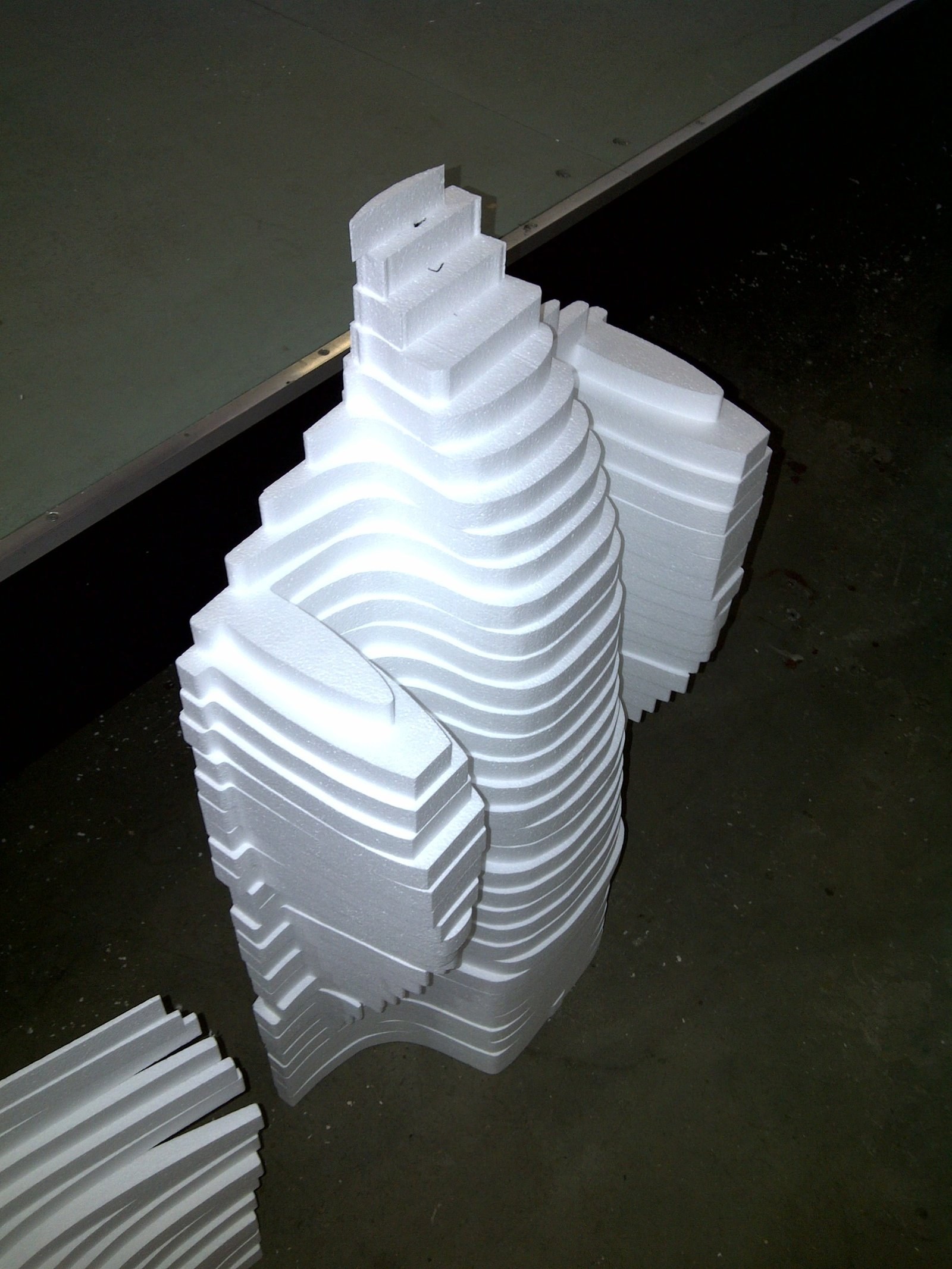
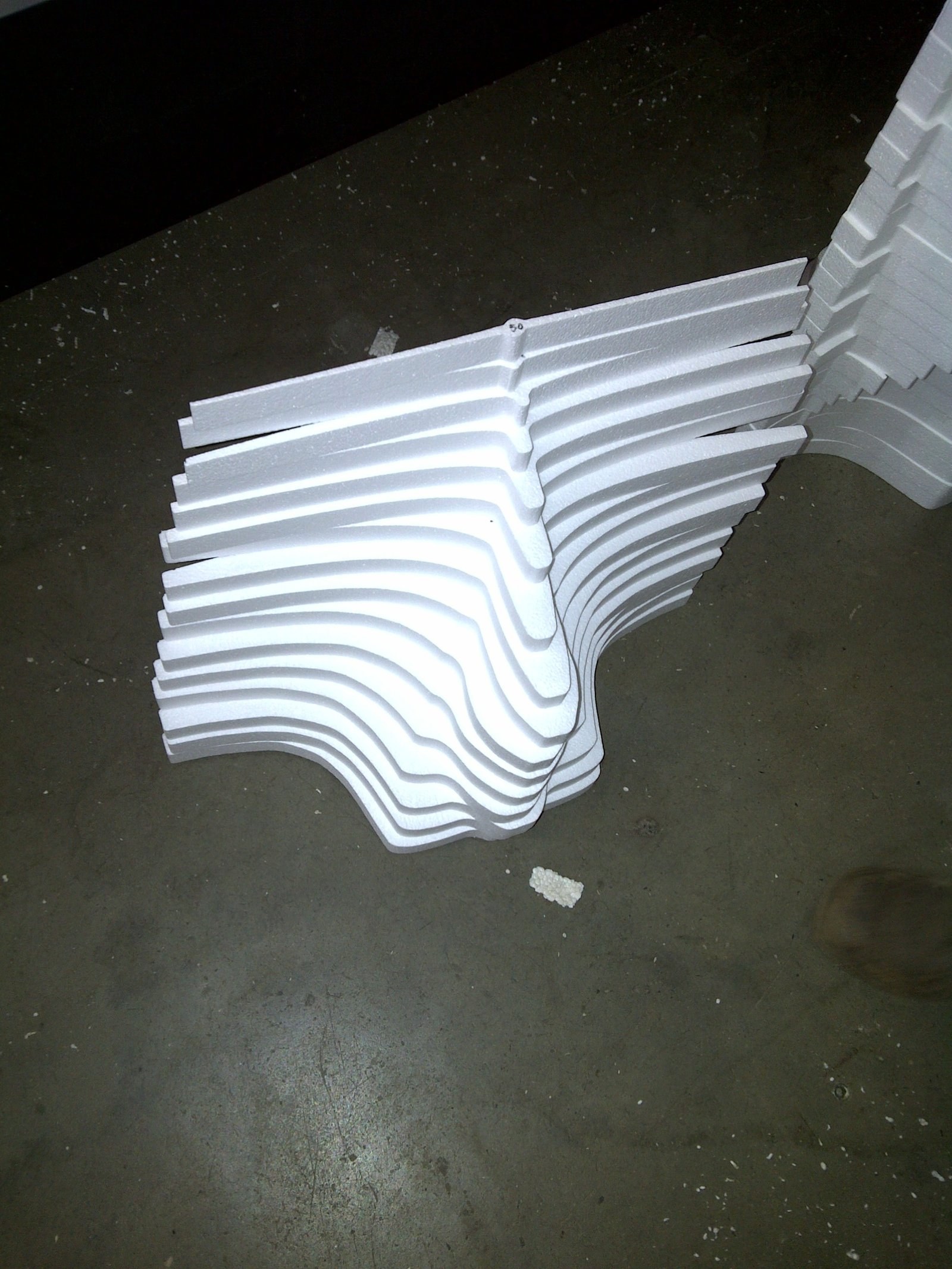
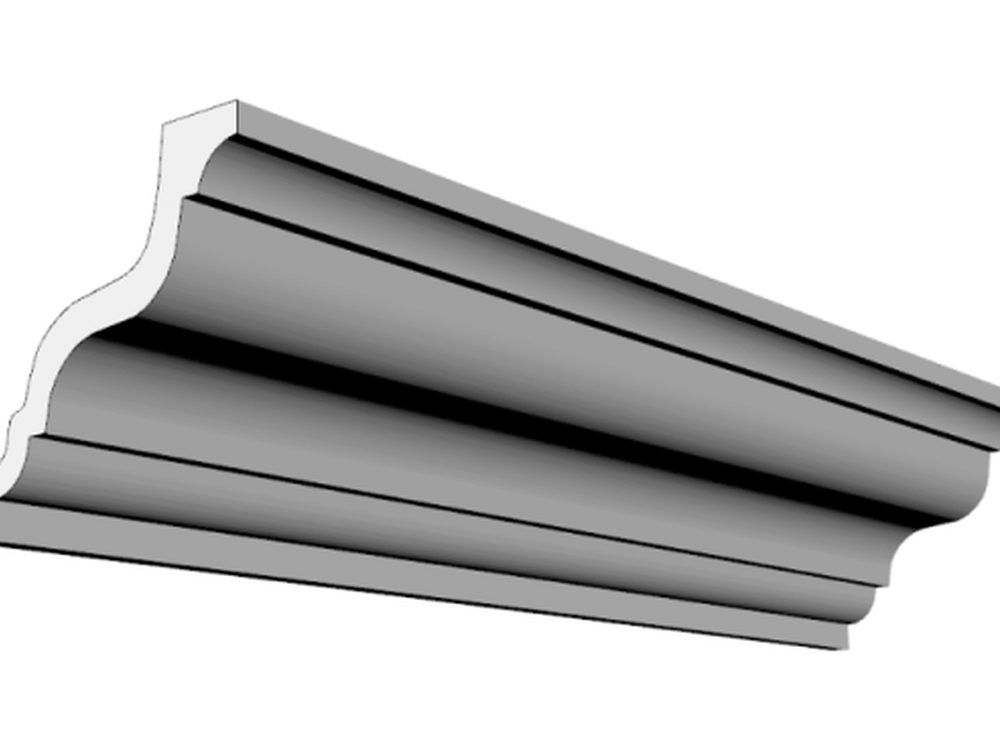
Technopol EPS Cornices are single-piece decorative wall-to-ceiling mouldings cut from fire-retarded expanded polystyrene (Technopol "CORNICE" grade), supplied in standard 2400 mm lengths and bonded in place with cornice adhesive — a lightweight, paint-ready substitute for moulded plaster cornices, not an insulation or structural product.

PropertyValueStandard
Product / build-upSingle-piece decorative EPS moulding for the wall-to-ceiling junction; arrives ready to prime and paint
Material / gradeExpanded polystyrene (EPS), Technopol "CORNICE" fire-retarded grade; application "Decorative Surface"
Nominal density (CORNICE grade)27 kg/m³
Reaction to fireFire-retarded EPS grade; no Euroclass or SANS reaction-to-fire class established for the cornice product
Standard length2400 mm
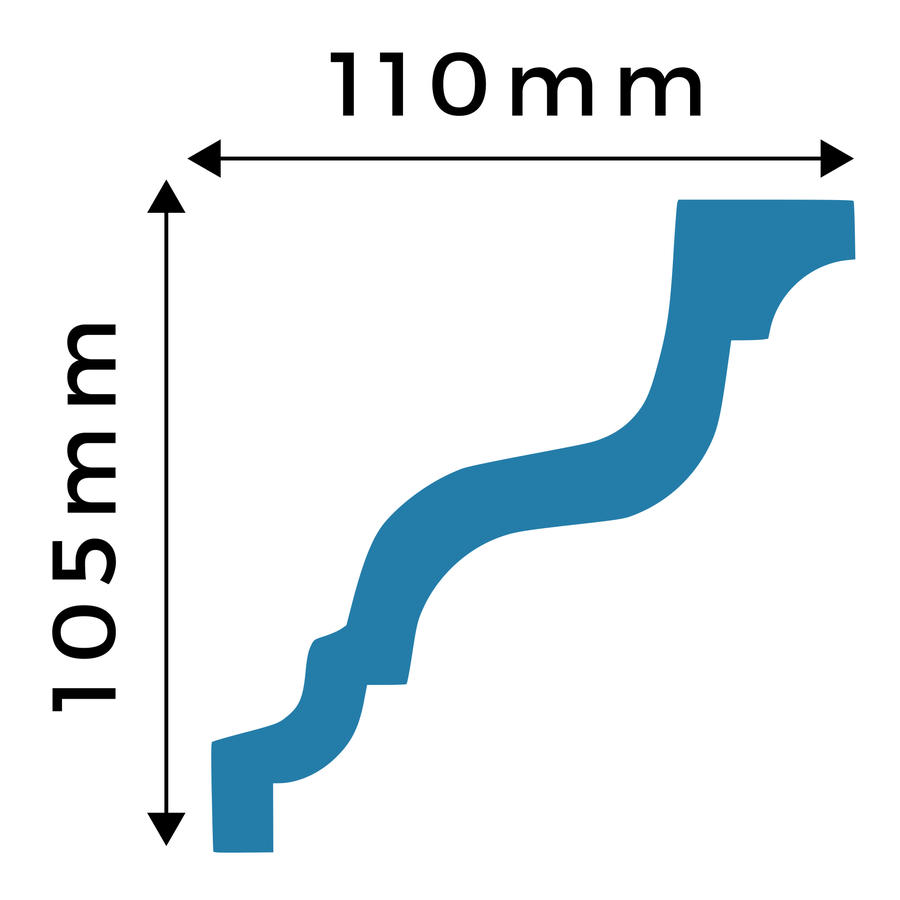
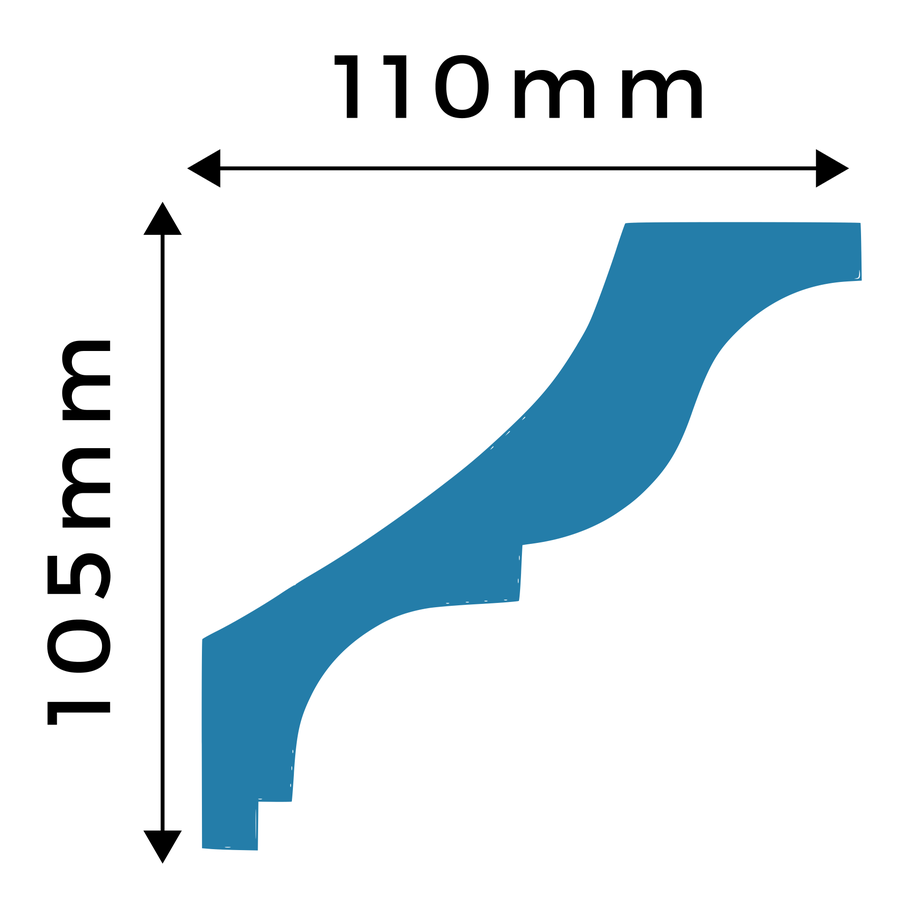
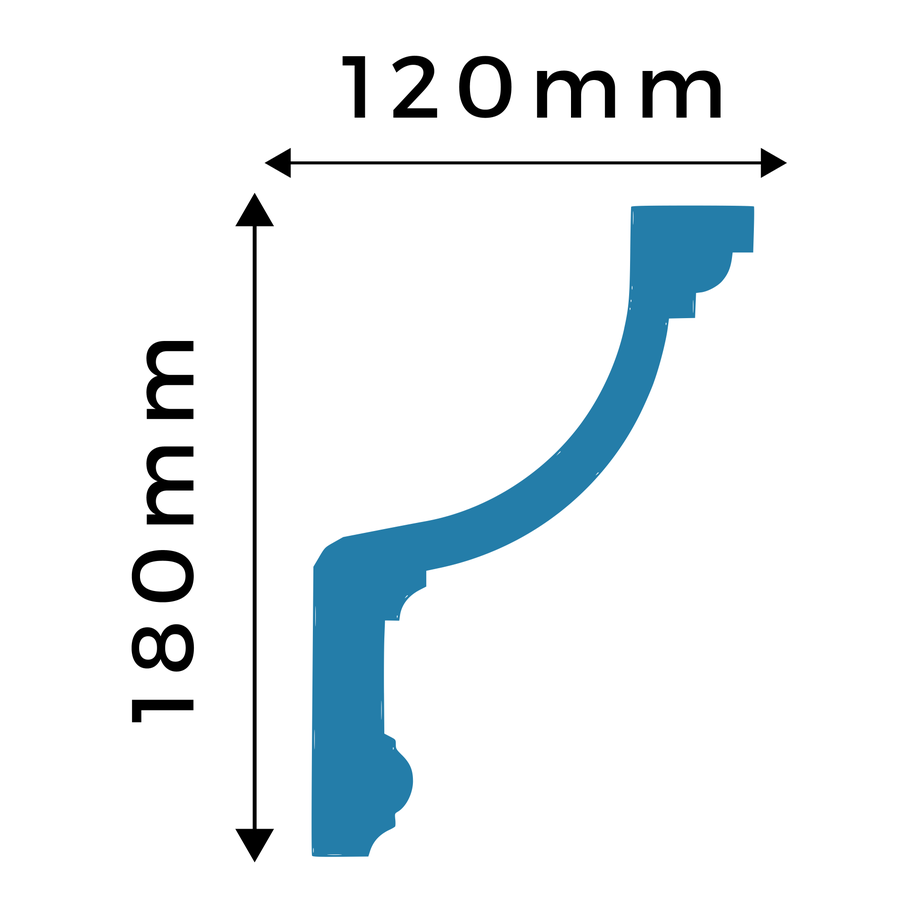
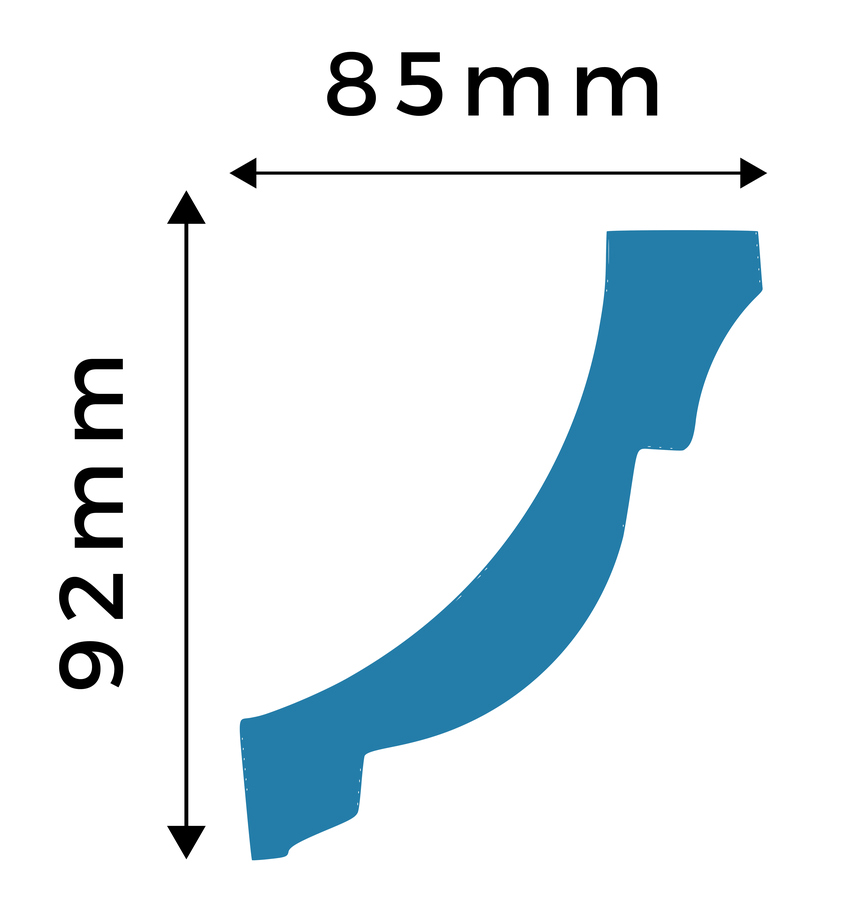
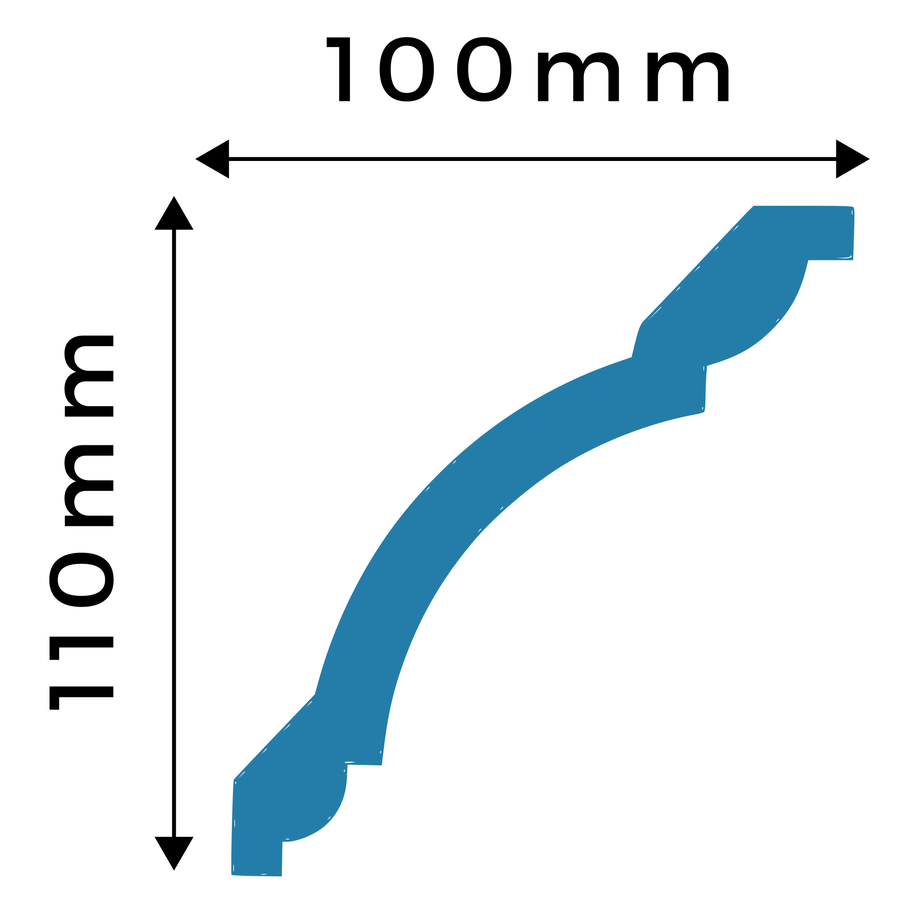
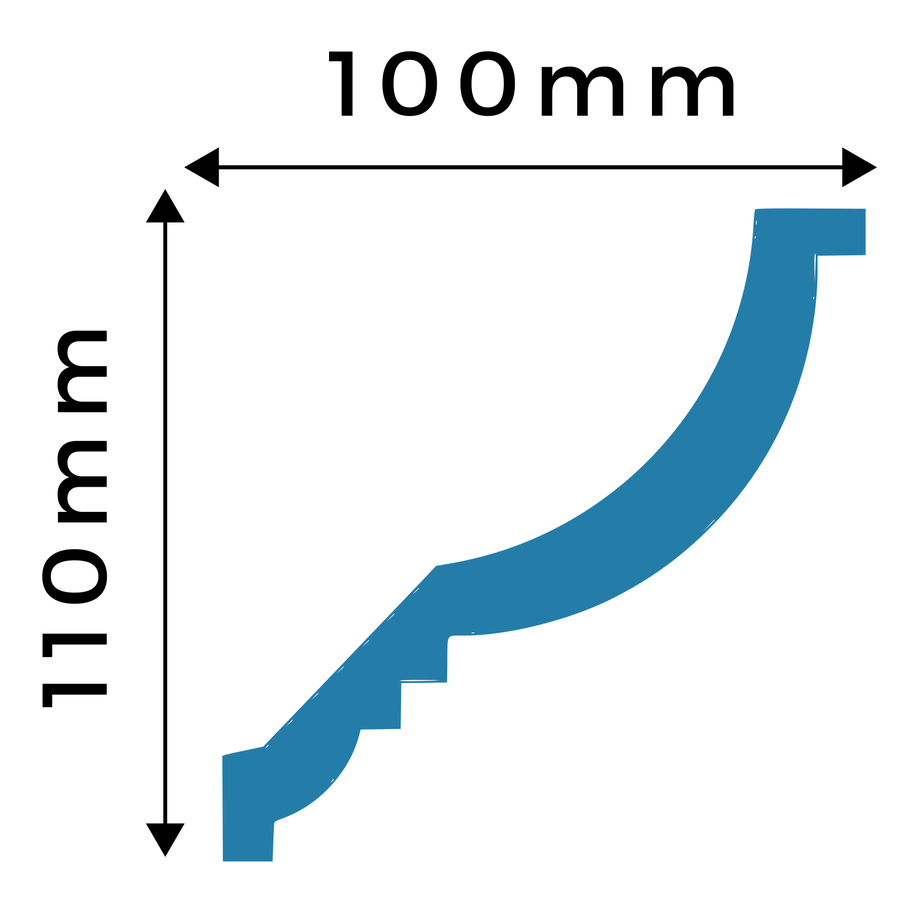
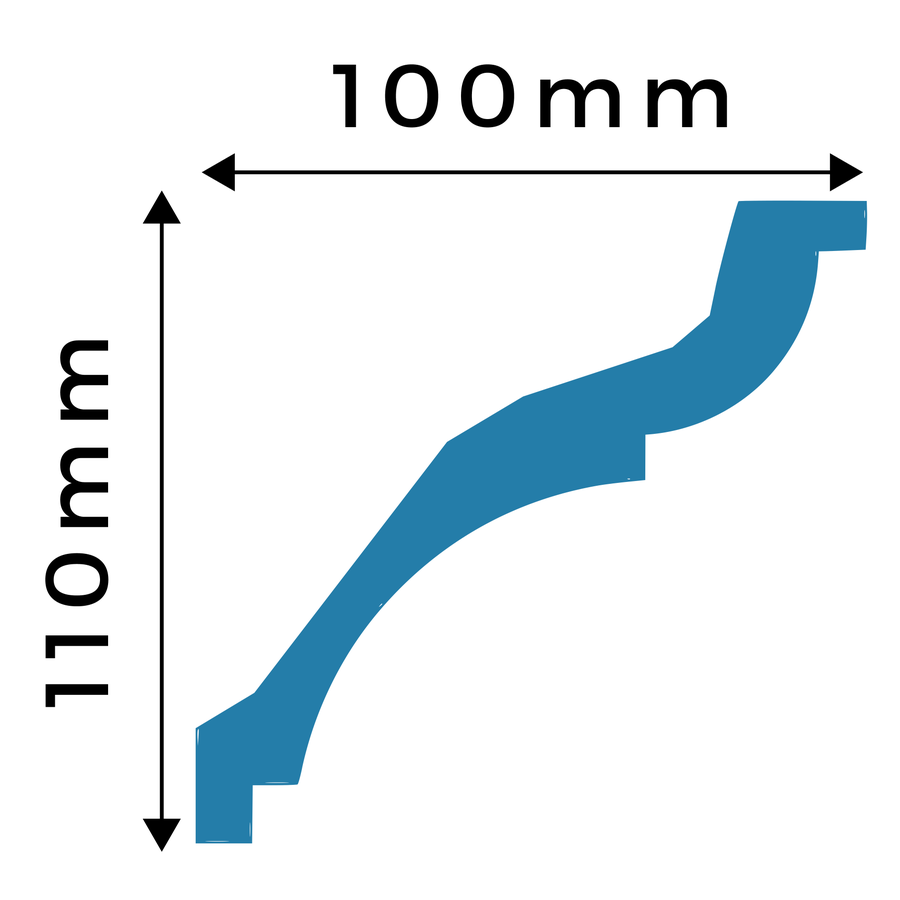
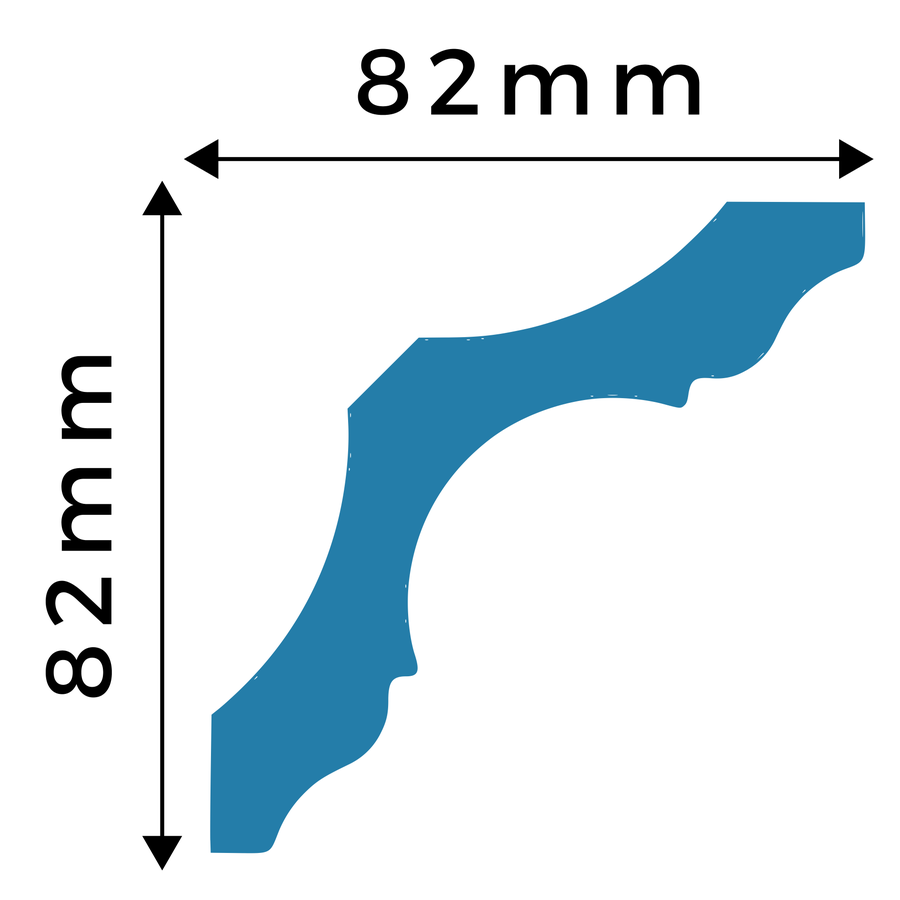
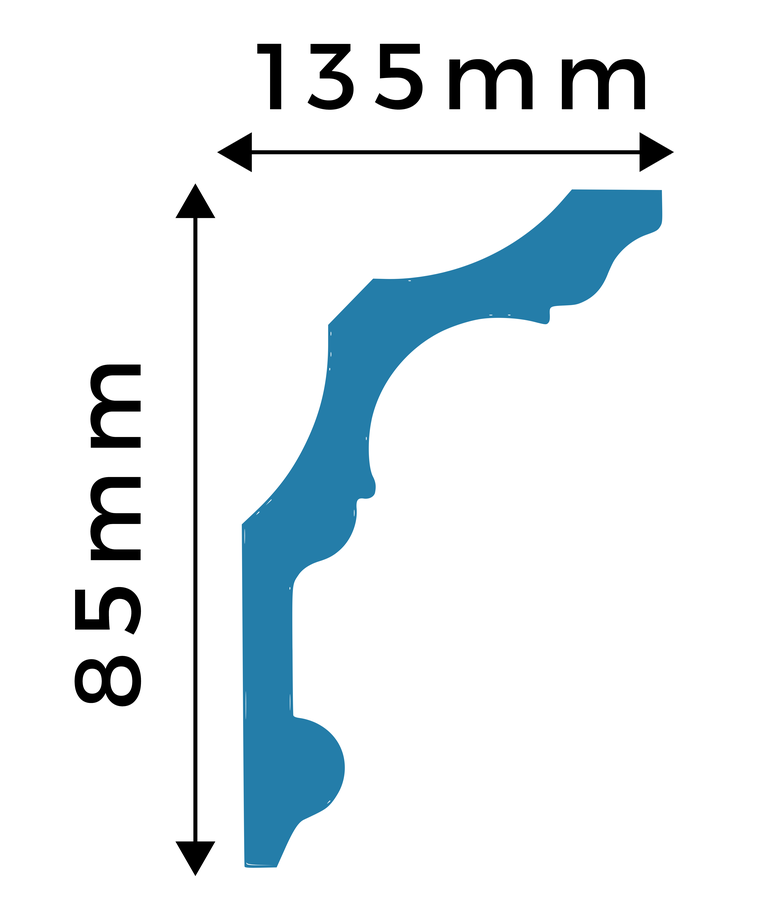
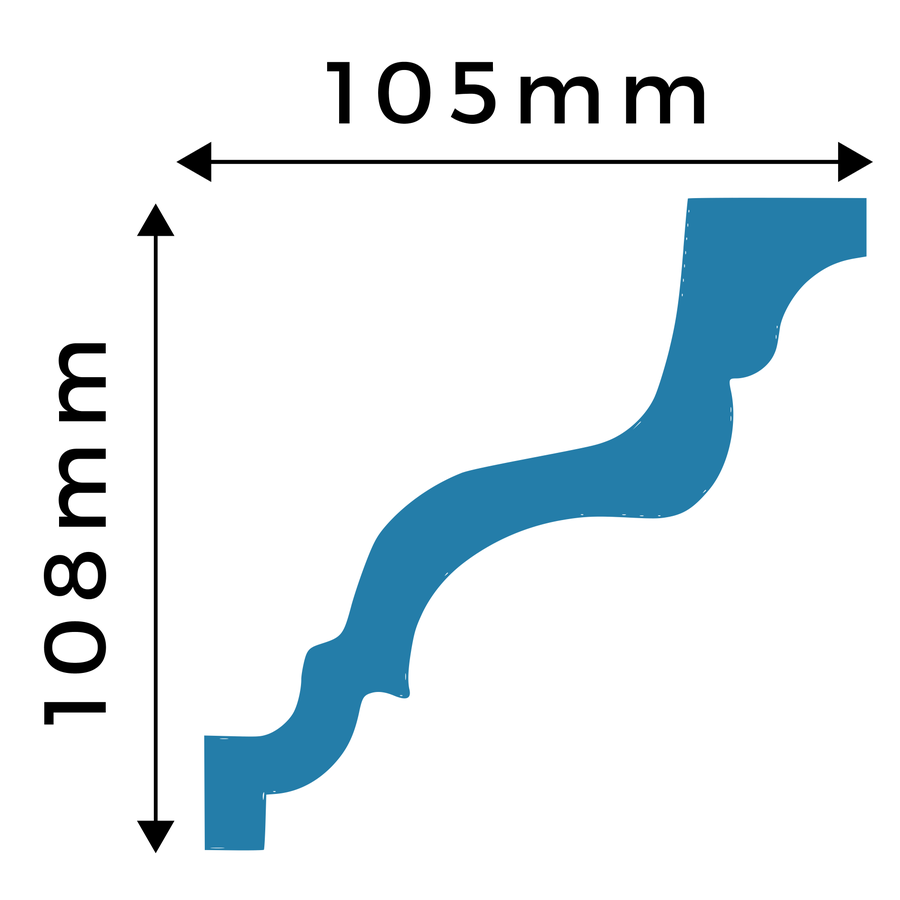
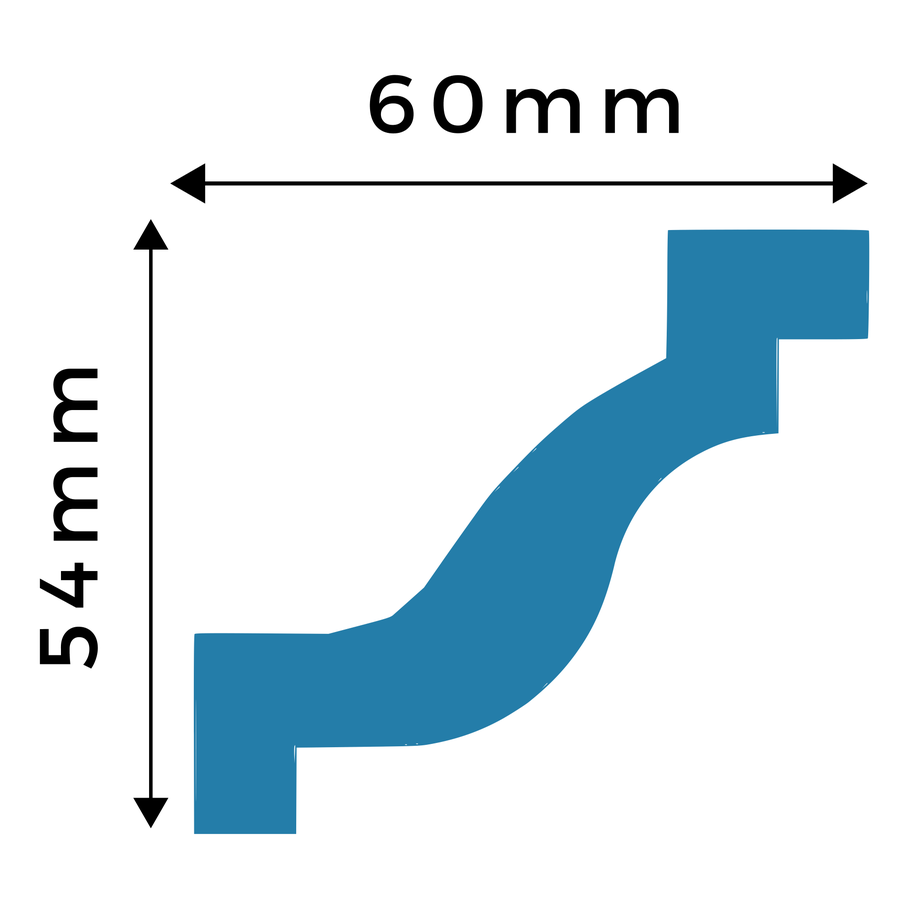
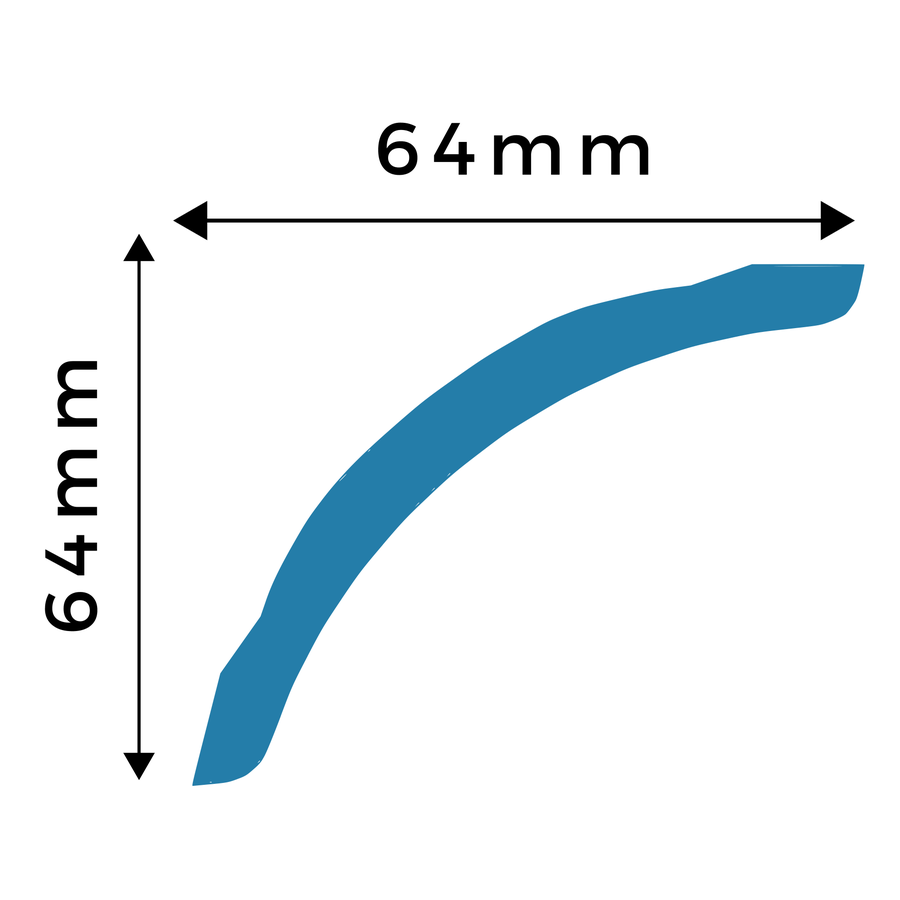
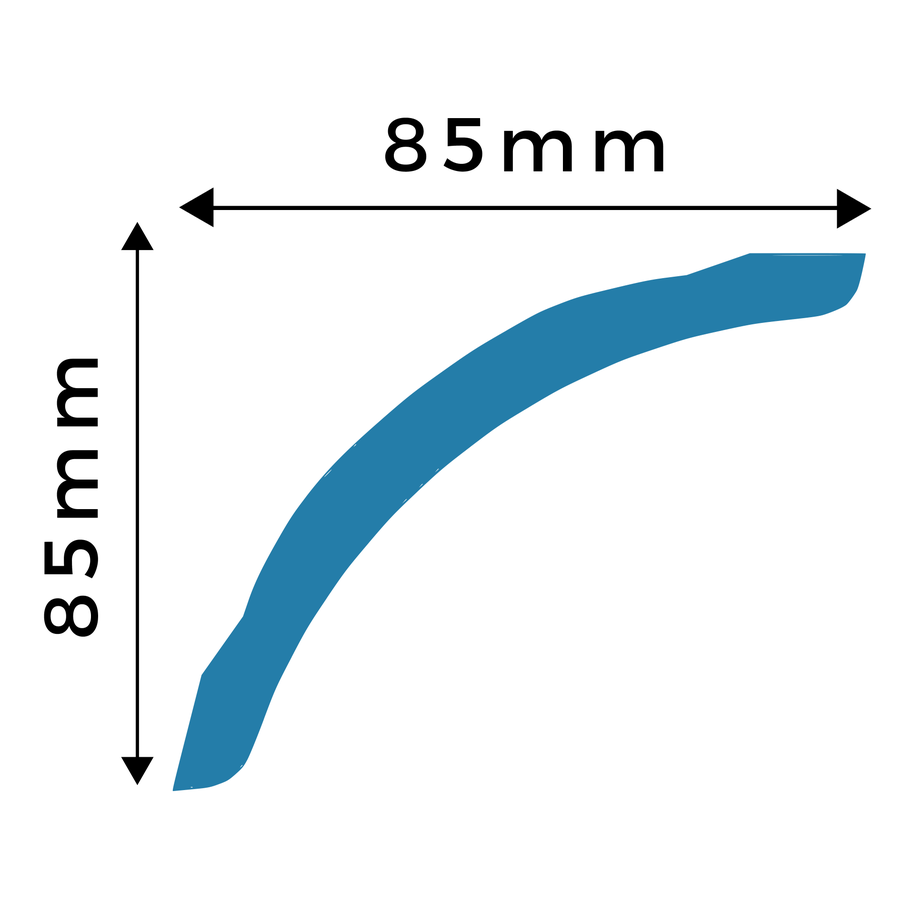
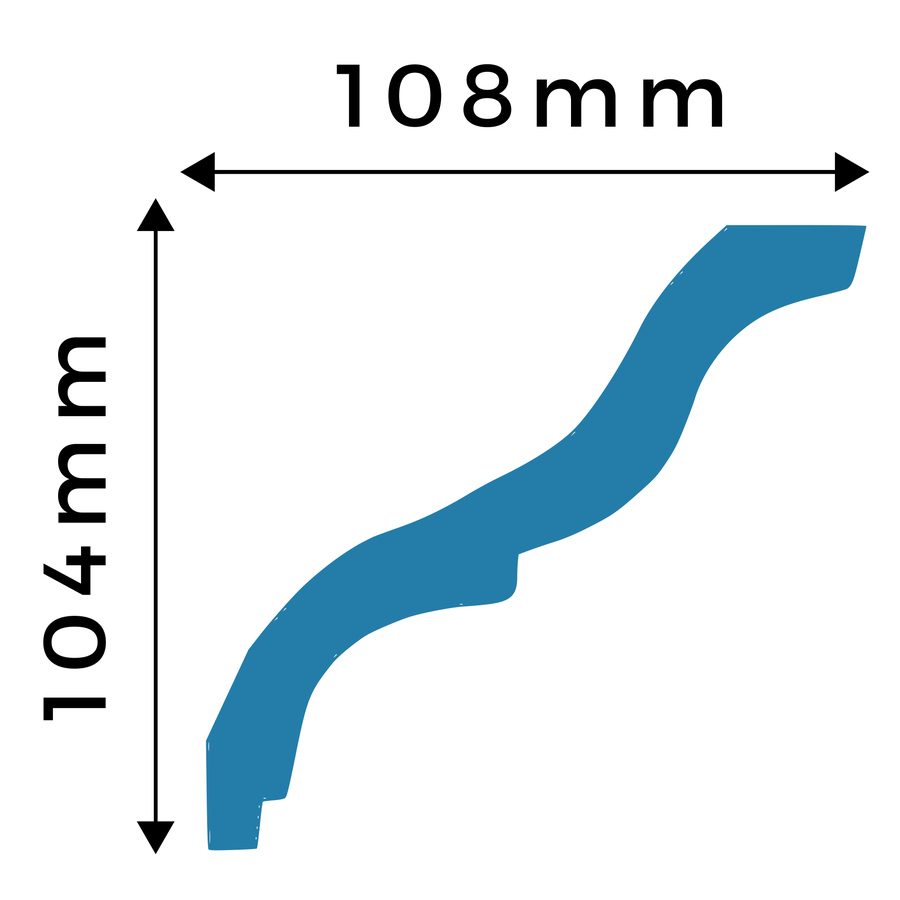
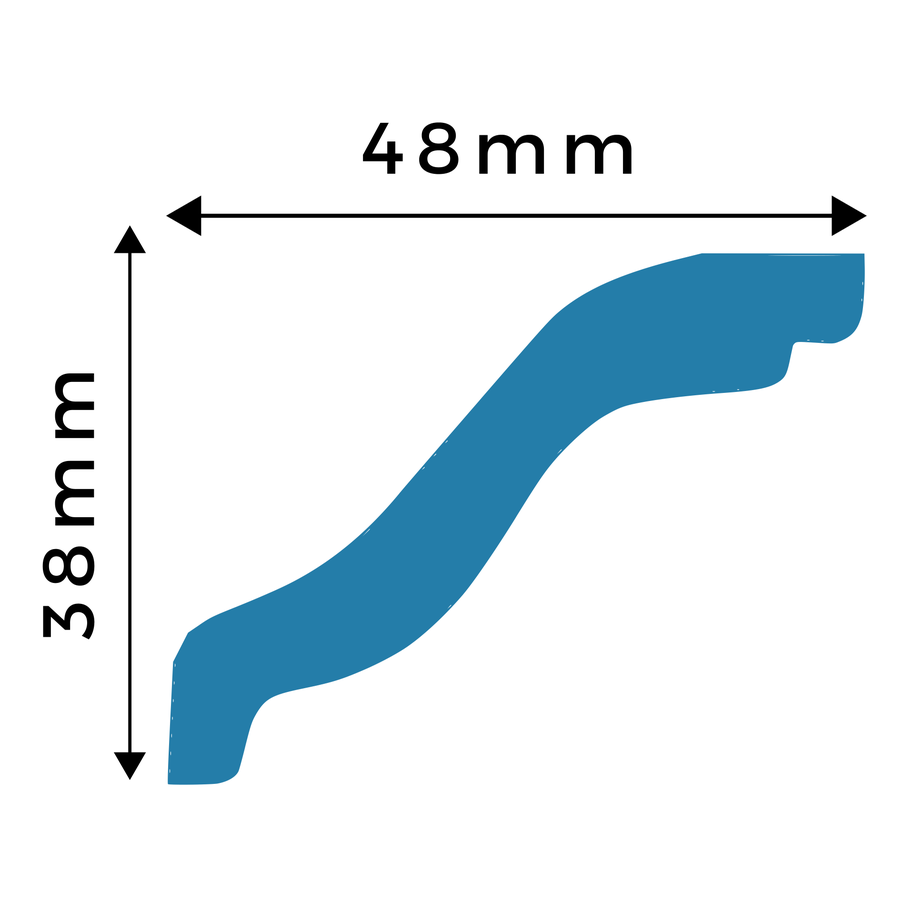
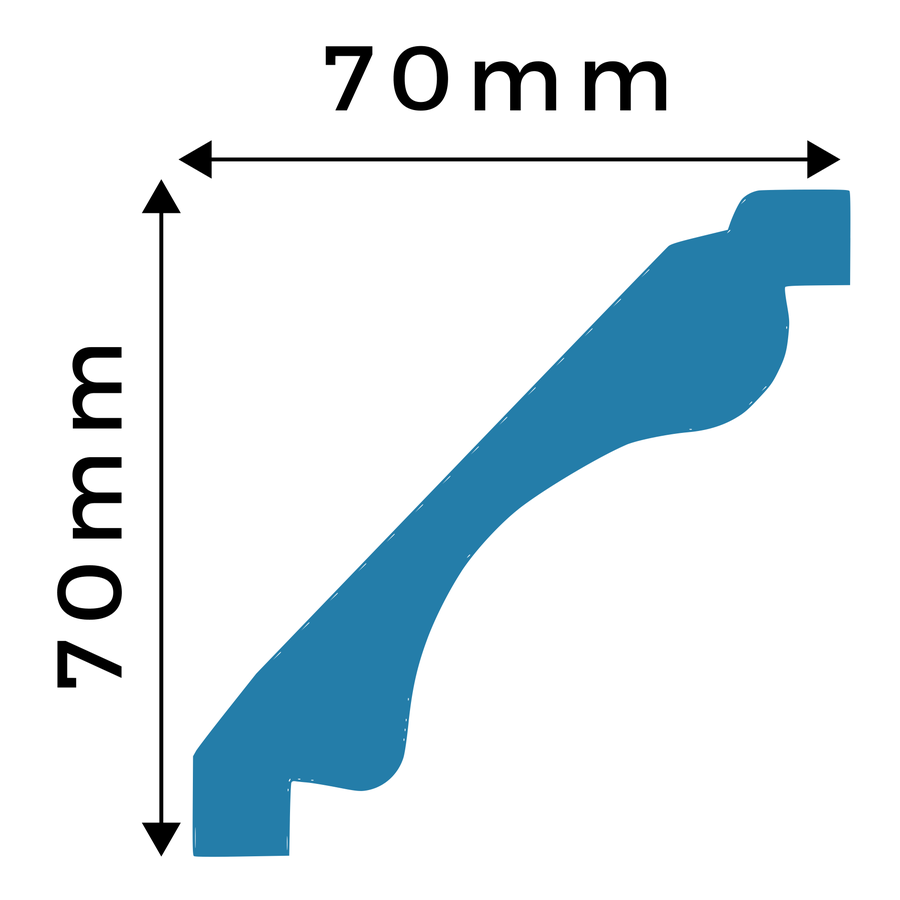
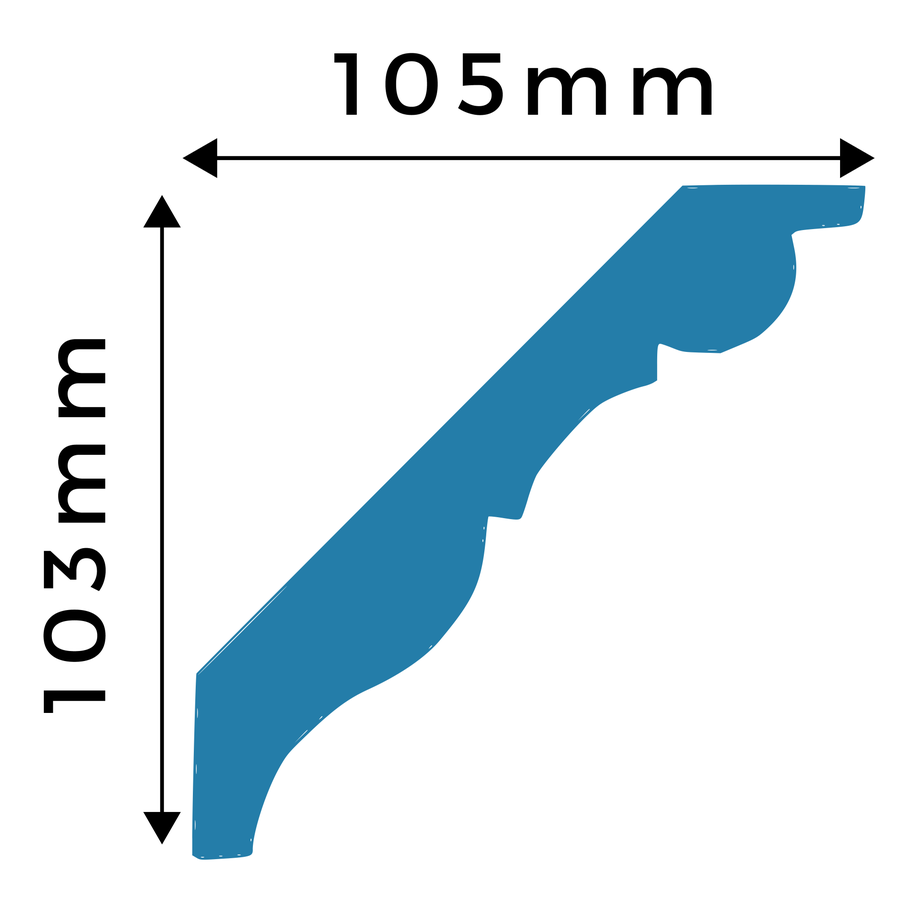
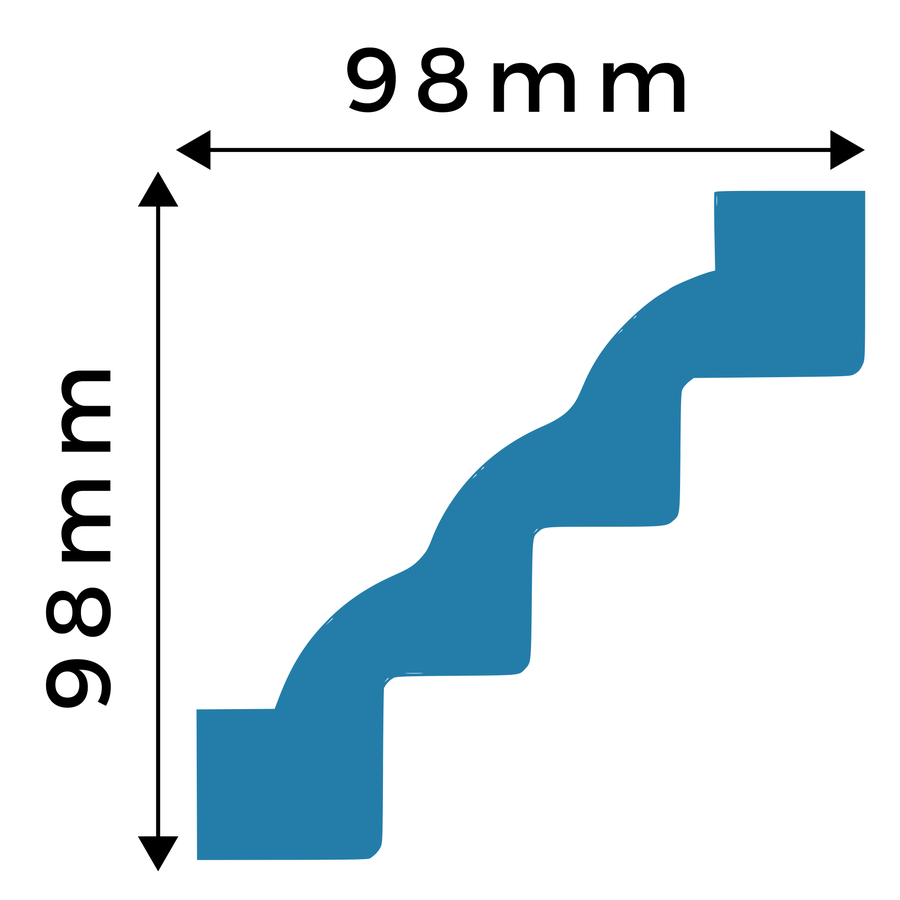
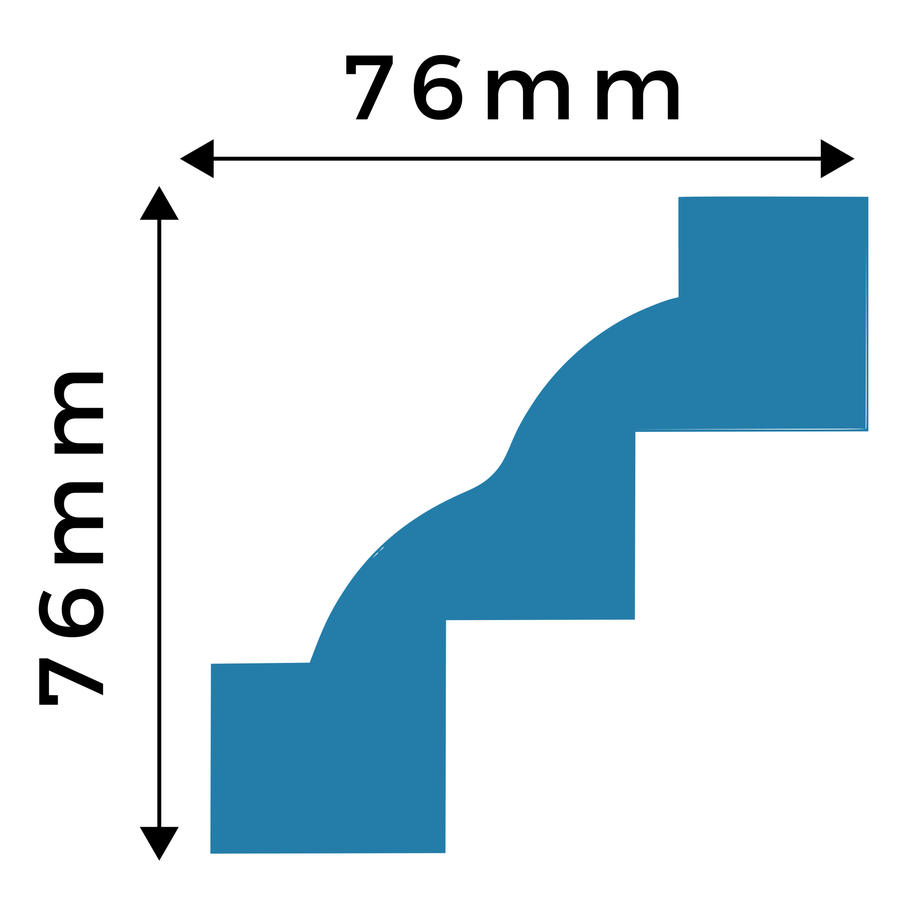
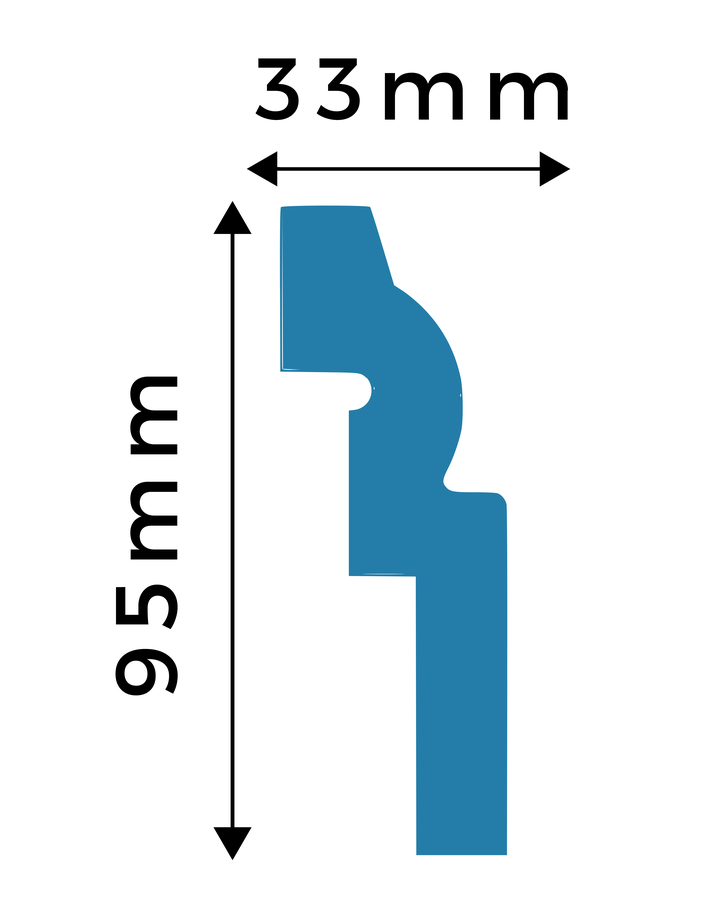
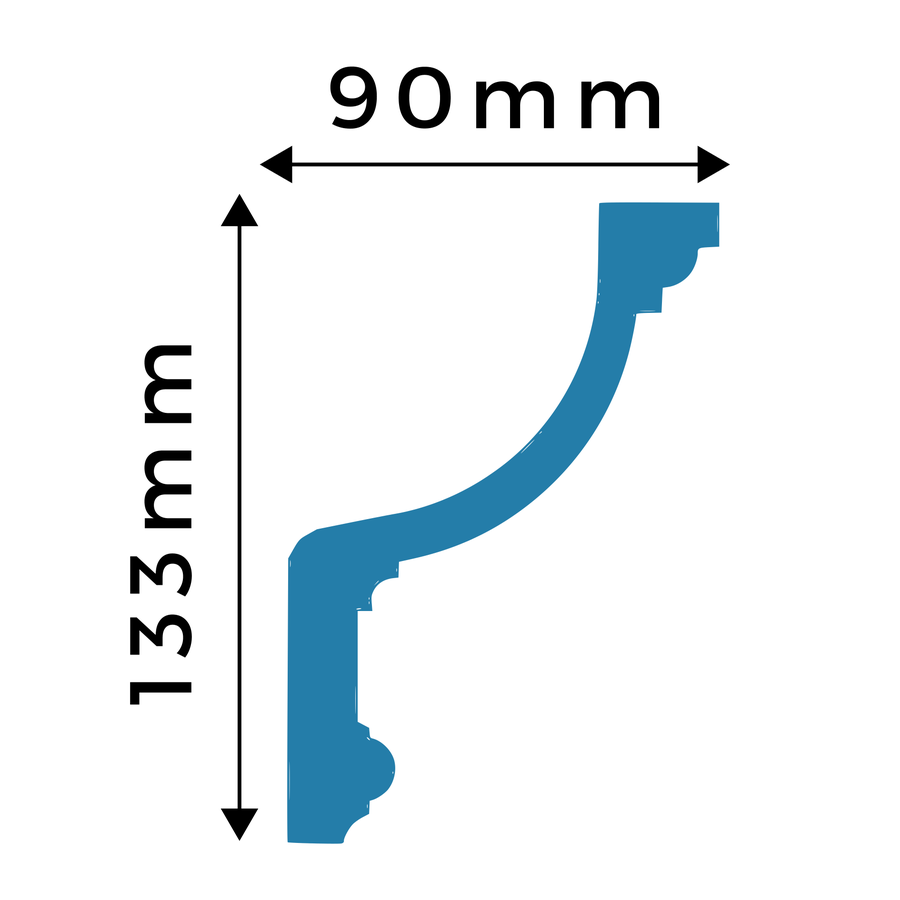
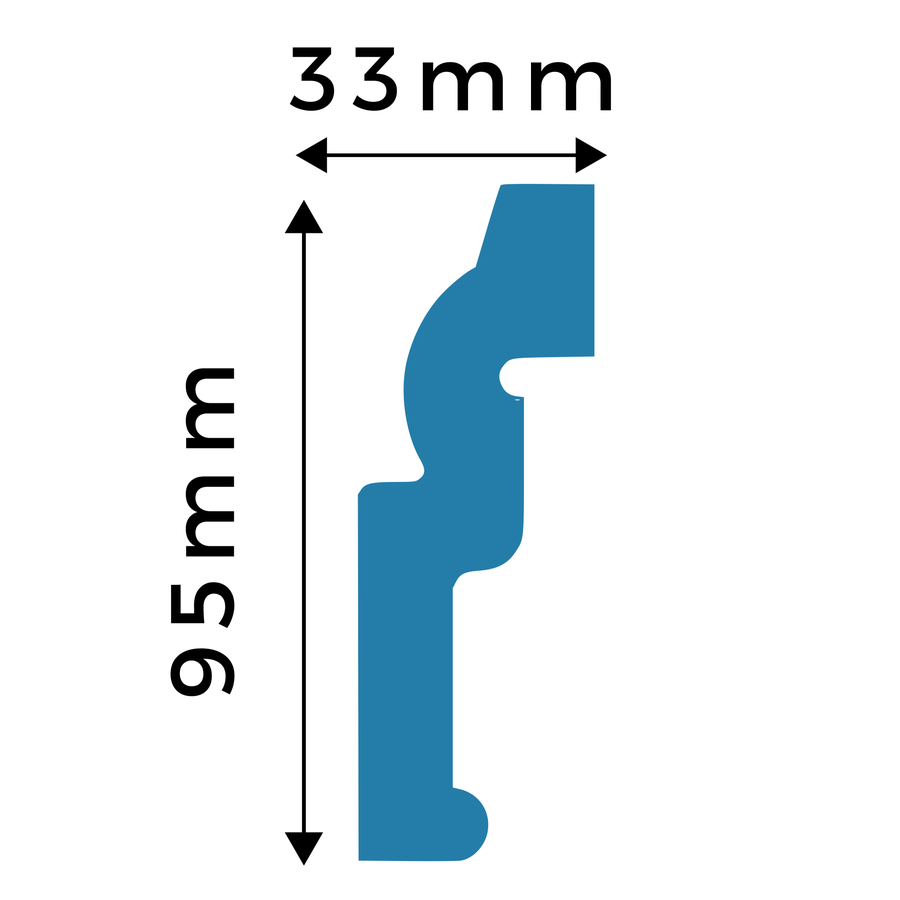
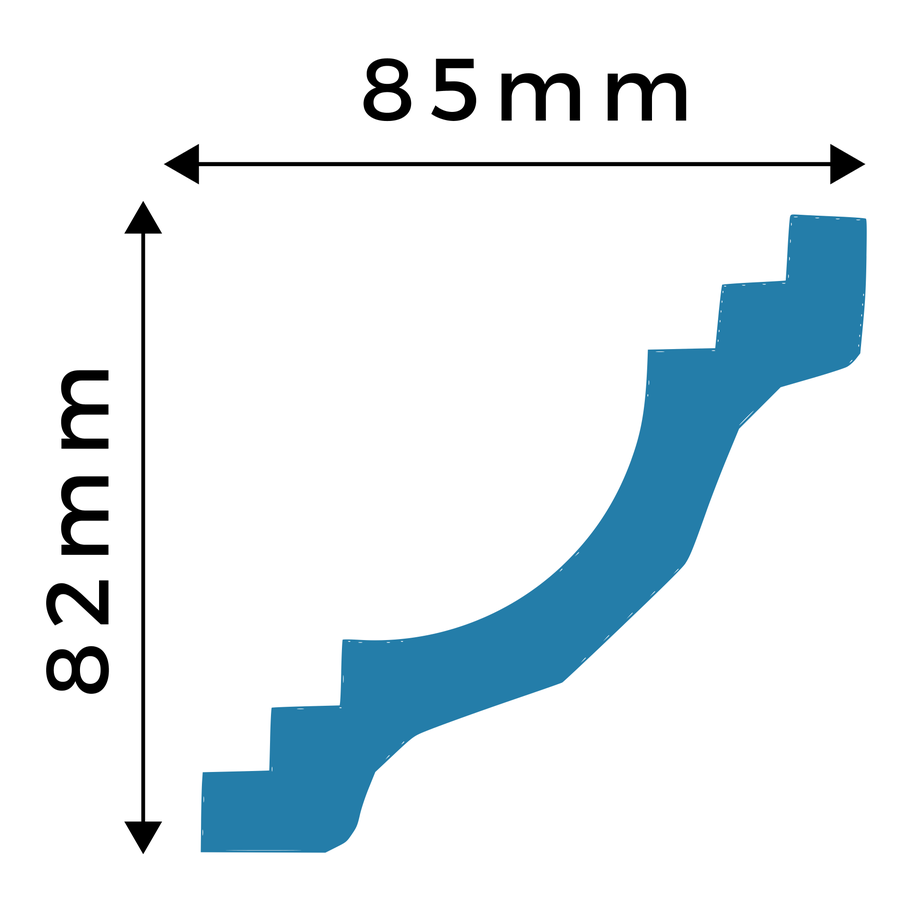
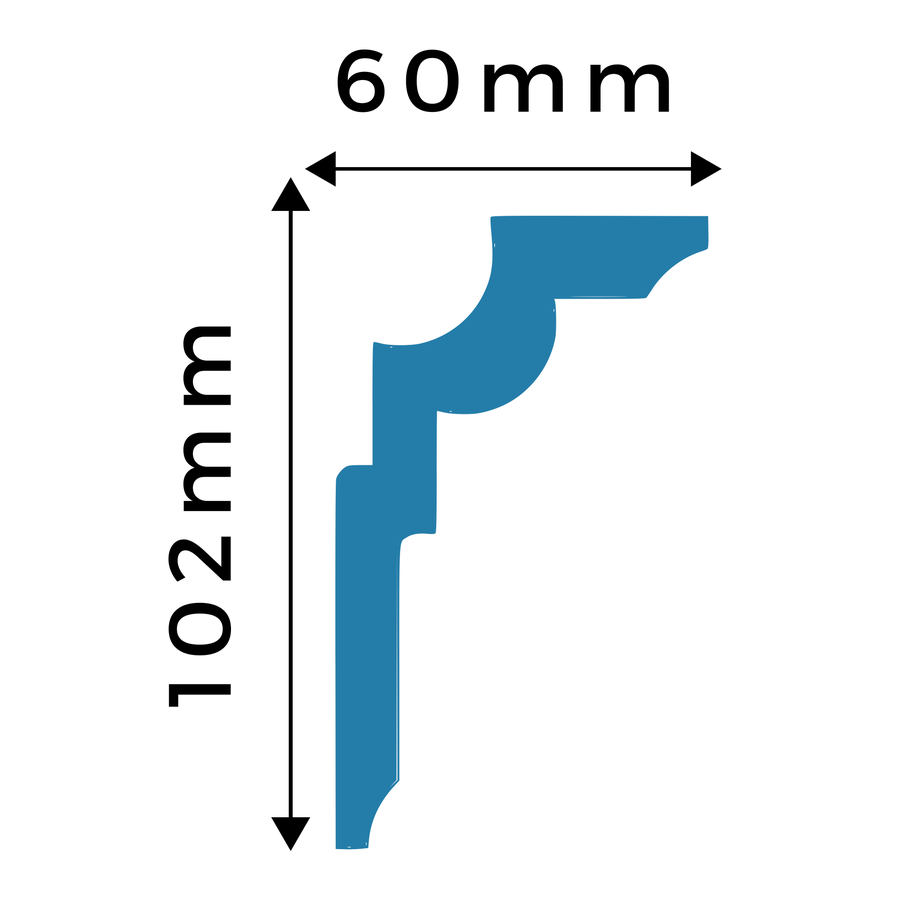
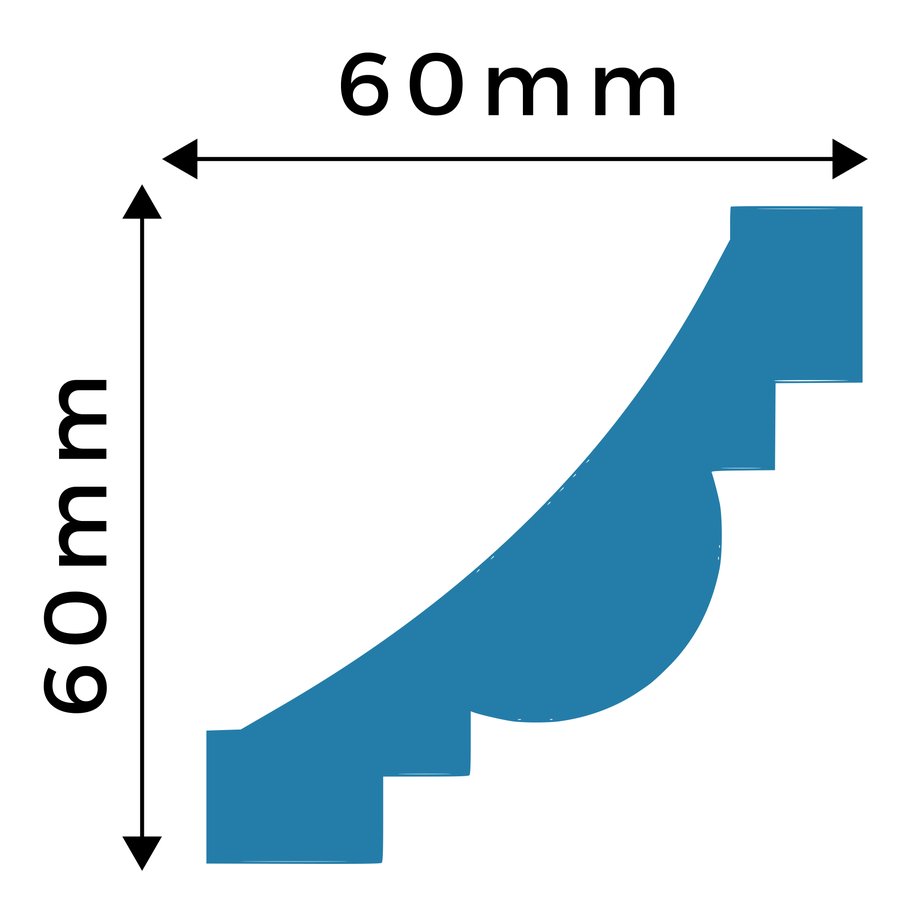
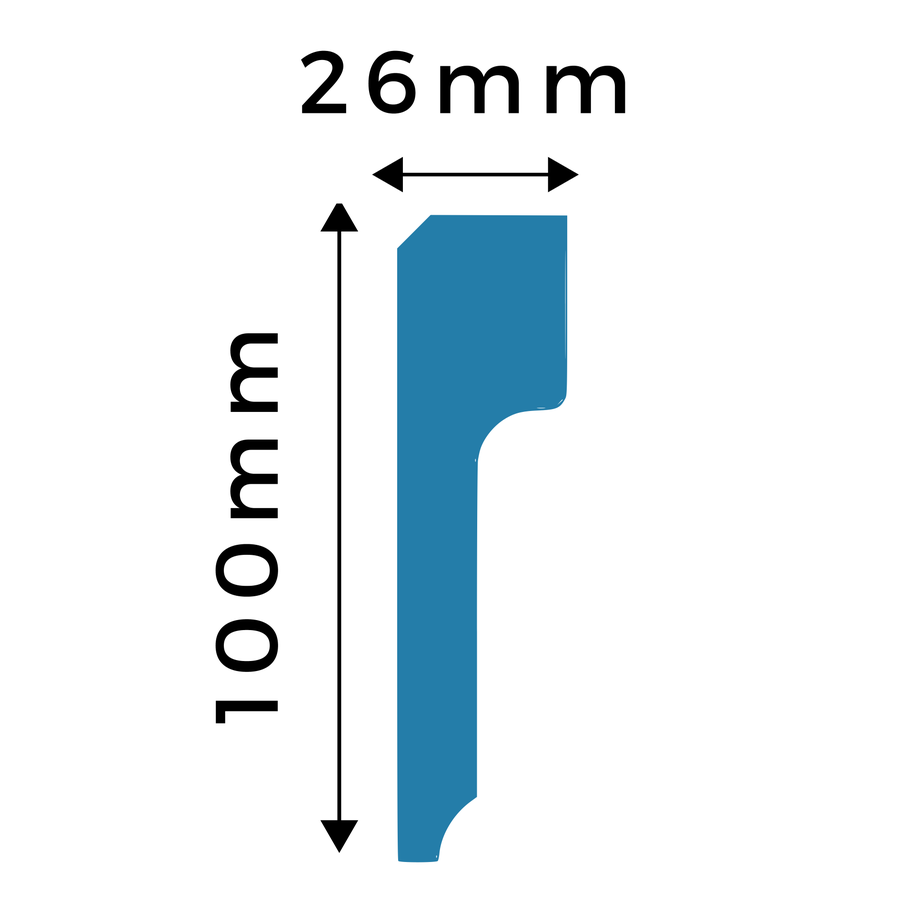
Standard profile cross-section (25 codes P001C–P025C)26–135 (depth) × 38–180 (height) mm
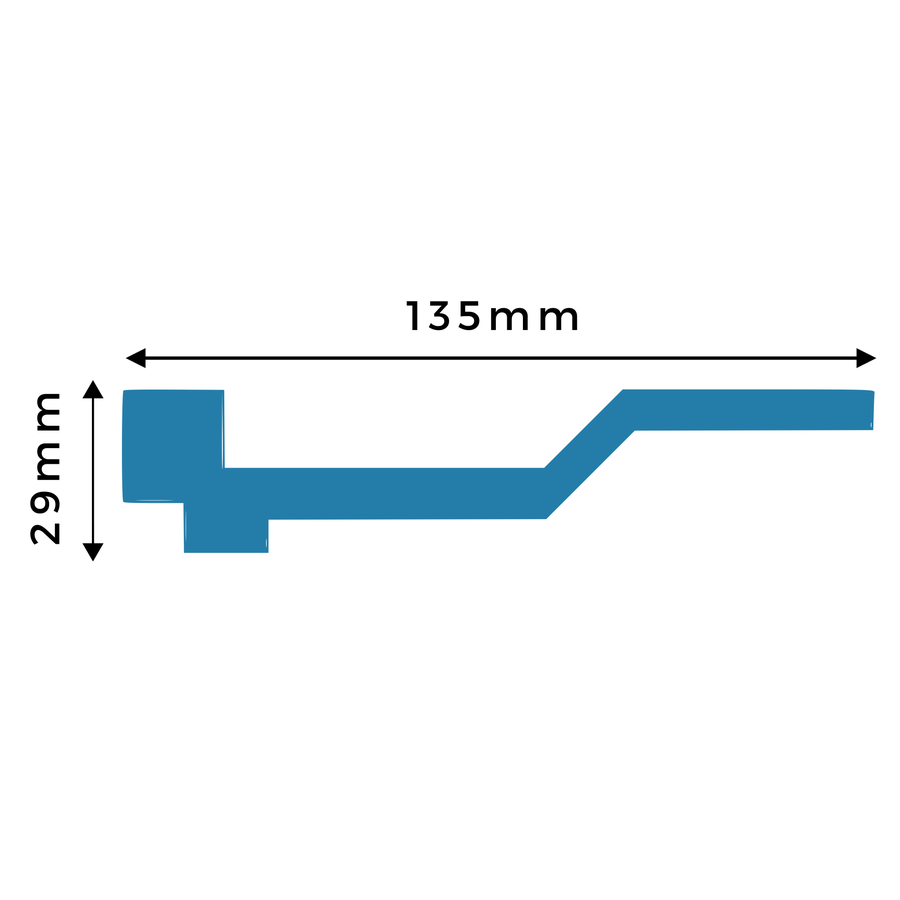
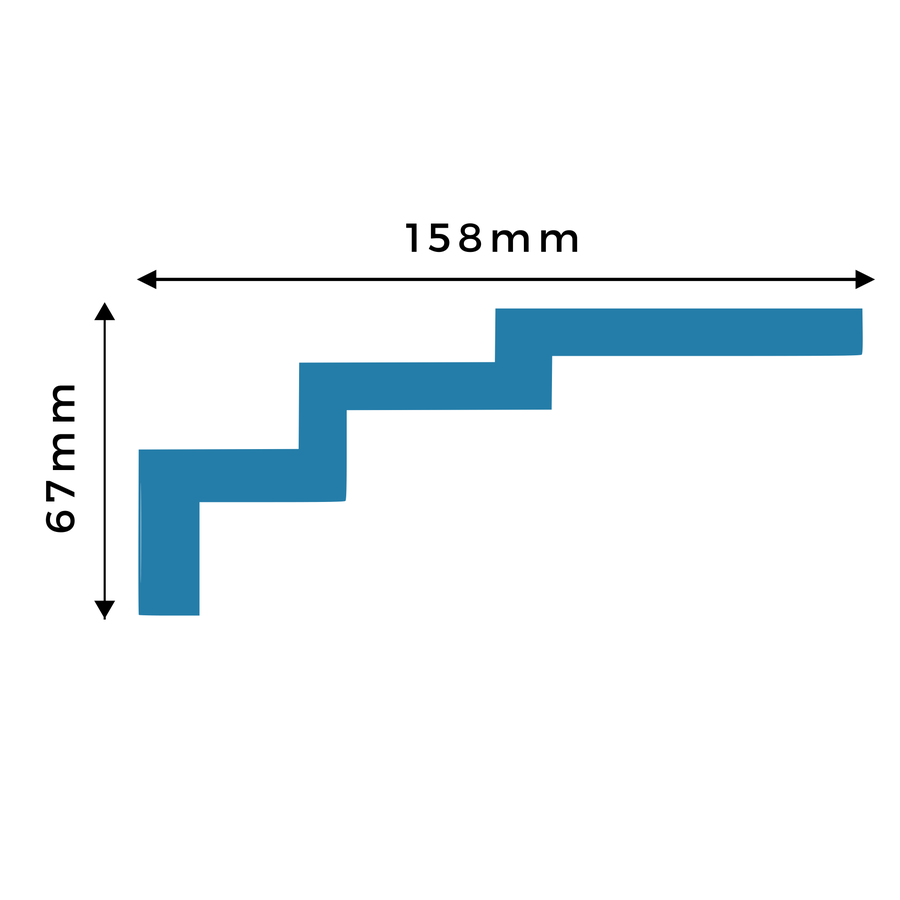
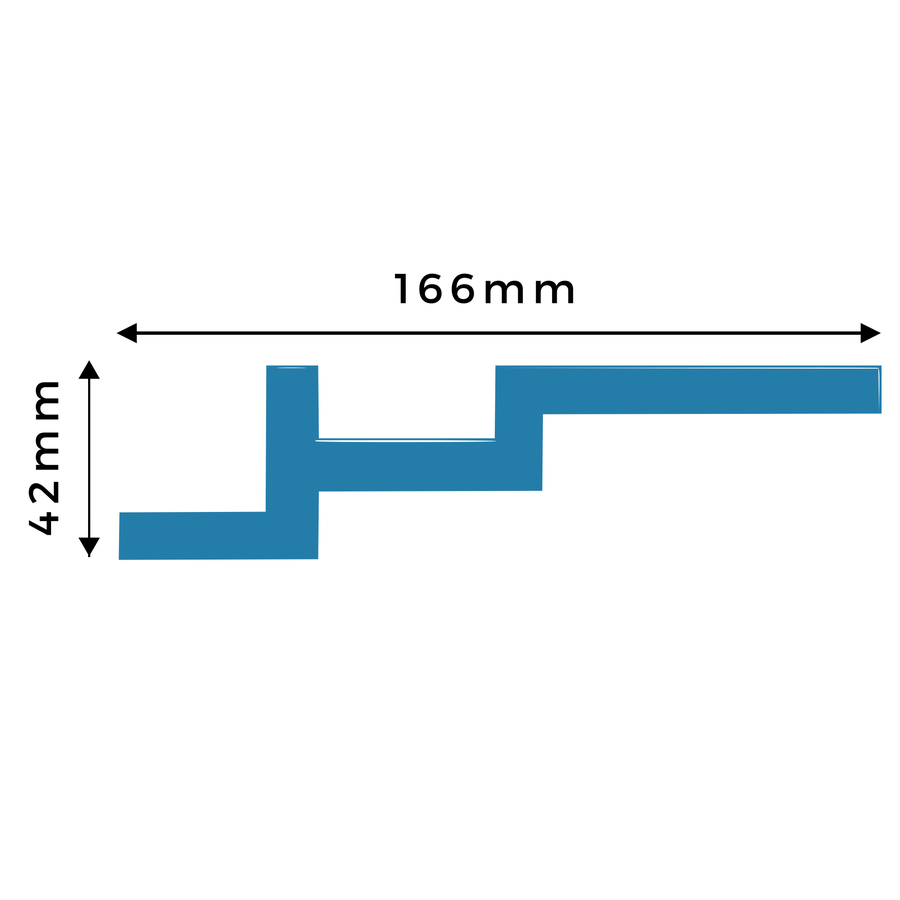
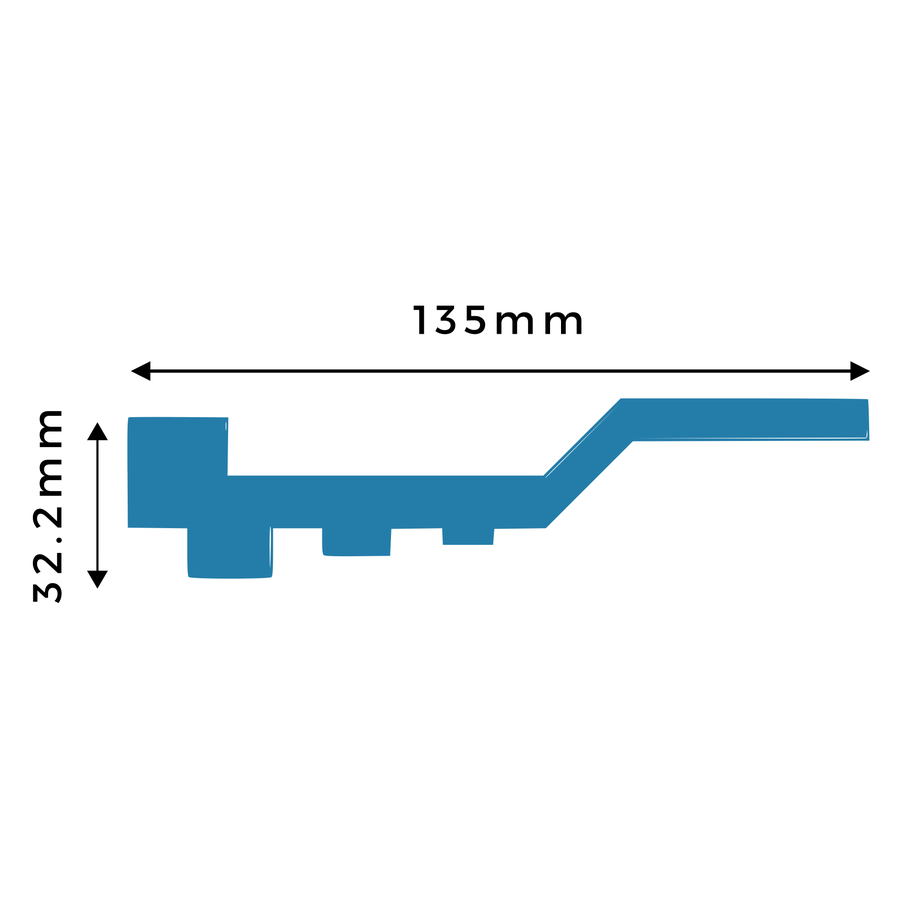
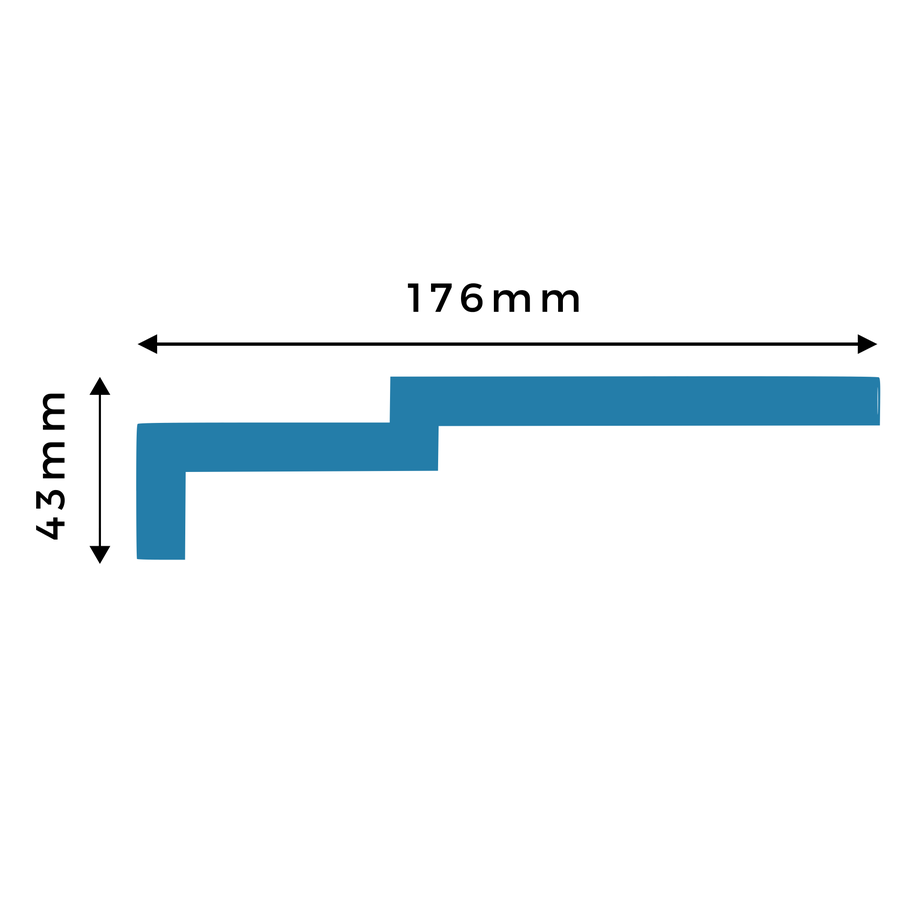
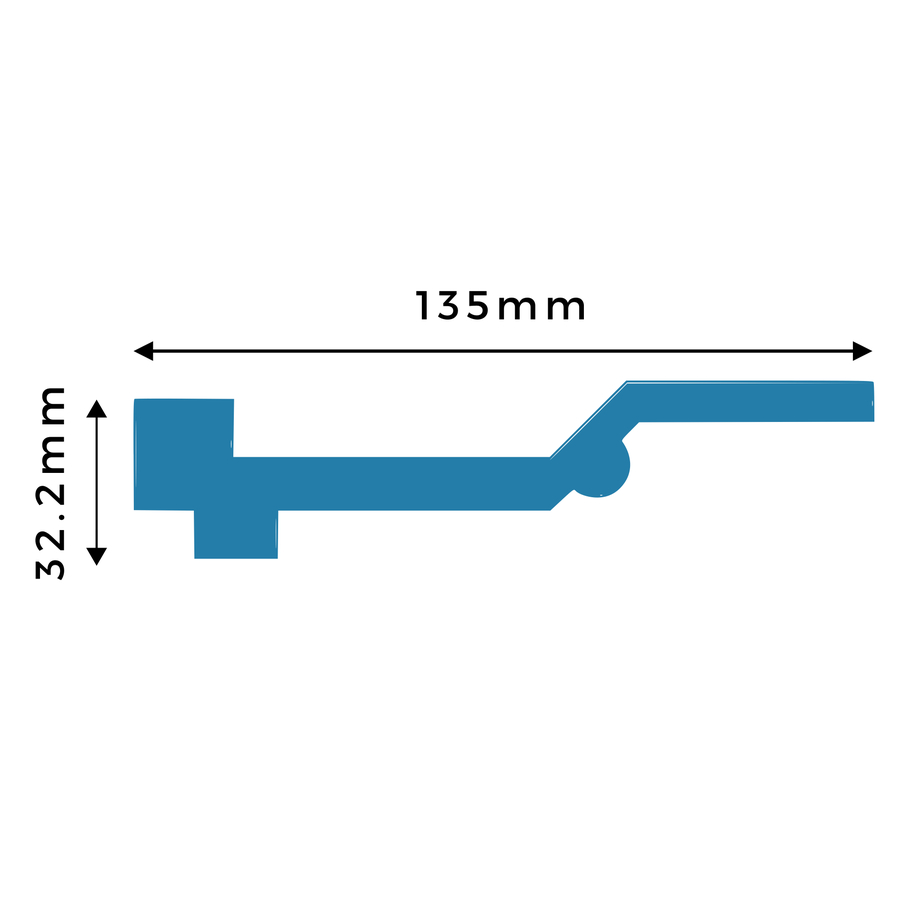
Shadow Line profile cross-section (6 codes SL001–SL006)135–176 (depth) × 29–67 (height) mm
Fixing / installationBonded with cornice adhesive at the wall/ceiling junction; no mechanical fixing (5 kg bucket ≈ 50 m, 280 ml tube ≈ 5 m)

Density 27 kg/m³ is the raw CORNICE sheeting-grade figure from the price list; no separate finished-moulding density datasheet exists. Fire: the only fire statement on file is the price-list header "All Products are Fire Retarded Grades". No Euroclass (EN 13501-1), SANS (10177/428) reaction-to-fire class, and no fire-resistance (REI) rating or fire test report exists for cornices — none should be claimed. Profile dimensions are the min–max envelope across the published codes; each code has a fixed section (format 2400 Long × Depth × Height). Custom profiles and mitre boxes are available on request. Cornices are marketed as decorative trim, not insulation — thermal conductivity (λ), R/U-value and compressive strength are not published and are not applicable to the marketed use.

Values from Technopol technical documentation. Confirm the exact figures for your specification with Technopol.

Every number, its source

Performance data & provenance

Each figure is labelled with how we know it — a named in-validity test, a supplier value, an in-house calculation, or a test whose validity has expired.

PropertyValueStandardSource reportStatus
Nominal density (CORNICE grade)27 kg/m³Provisional
Reaction to fireFR grade only — no Euroclass/SANS class establishedProvisional
Standard length2400 mmProvisional
Profile cross-section (standard codes)26–135 × 38–180 mmProvisional

Labels are defined on our data promise; every source report is on the test-report register.

The limits

Where not to use this

A material specified for the wrong job fails you, then us. We would rather lose the order.

Escape routes, corridors, stairwells, hospitals, schools or any high-occupancy ceiling line where a reaction-to-fire class must be declared for the finish.
NO Euroclass or SANS reaction-to-fire class has been established for the cornice product (PROVISIONAL) — the B-s1,d0 result (VERIFIED — IT 23-08-00009) is for 60 mm EPS FRCel board and does not extend to a milled 27 kg/m³ cornice profile, and EPS is combustible.
→ Plaster, gypsum or fibrous-cement cornices where a class must be declared or where the fire engineer needs a paper trail.
External use — verandas, patio soffits, sun-exposed eaves — or any cornice left unpainted and uncoated.
EPS degrades under prolonged UV exposure, chalks and crumbles, and the bare material has no weather resistance.
→ Fully coat with a render/coating system (e.g. Terraco) if it must go outside, or use a cement-based external moulding; indoors, always prime and paint.
Fixing or finishing with solvent-based adhesives, contact adhesives, oil-based primers, lacquers or solvent-based sealers.
Aromatic solvents dissolve EPS on contact — the profile pits, melts and collapses at the bond line, often hours after the installer has left.
→ DB Acrylic Sealant or another water-based, EPS-compatible cornice adhesive, and water-based primers/paints only. If in doubt, test on an offcut first.
Where it has been used

Project references

No project on the public register is tagged to this application yet. Ask us for references — we will send the ones that match your building type.

Ready to specify?

Send us the drawings. We will size it, detail it and quote it.

Request a spec or quote

Technical resource

Who should we send this to?

We release technical documentation to named engineers and specifiers so we can support you properly on the project. One entry unlocks everything.

We will not share your details. POPIA compliant.