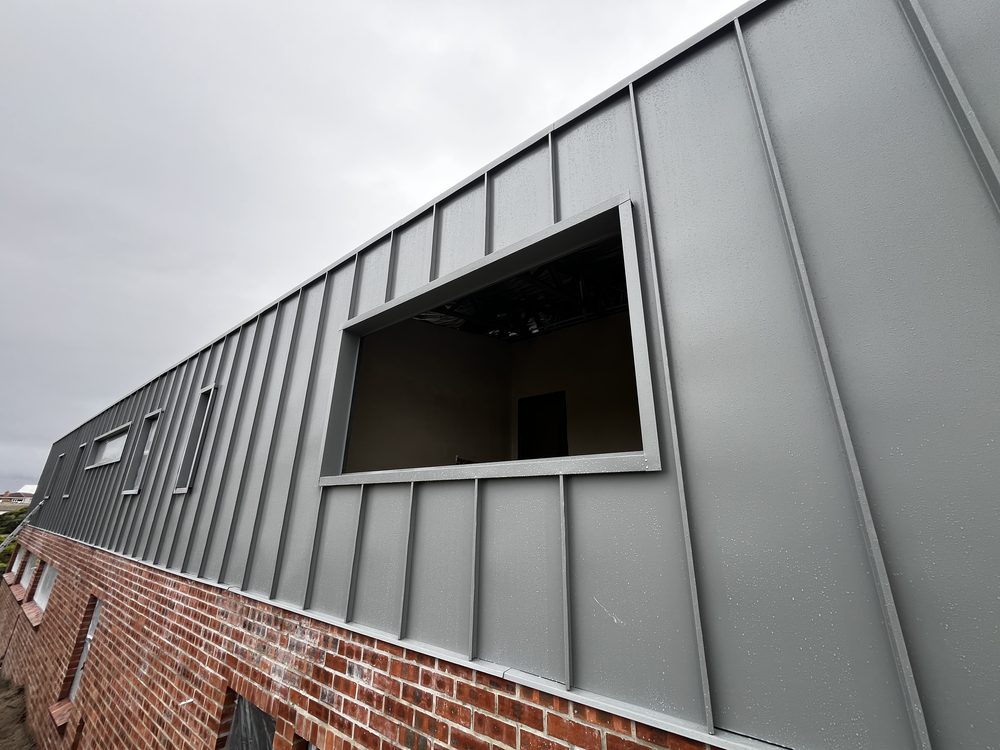
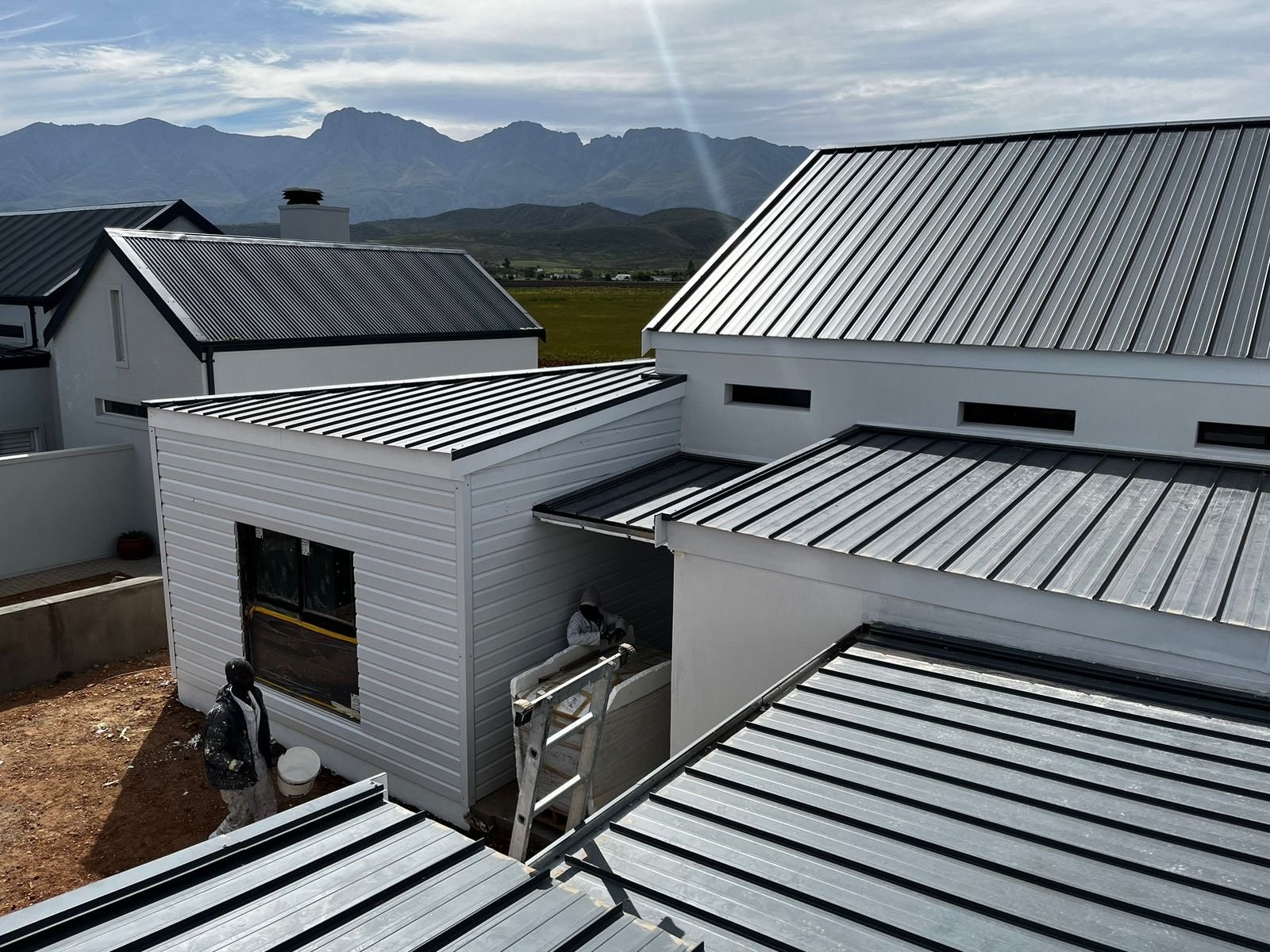
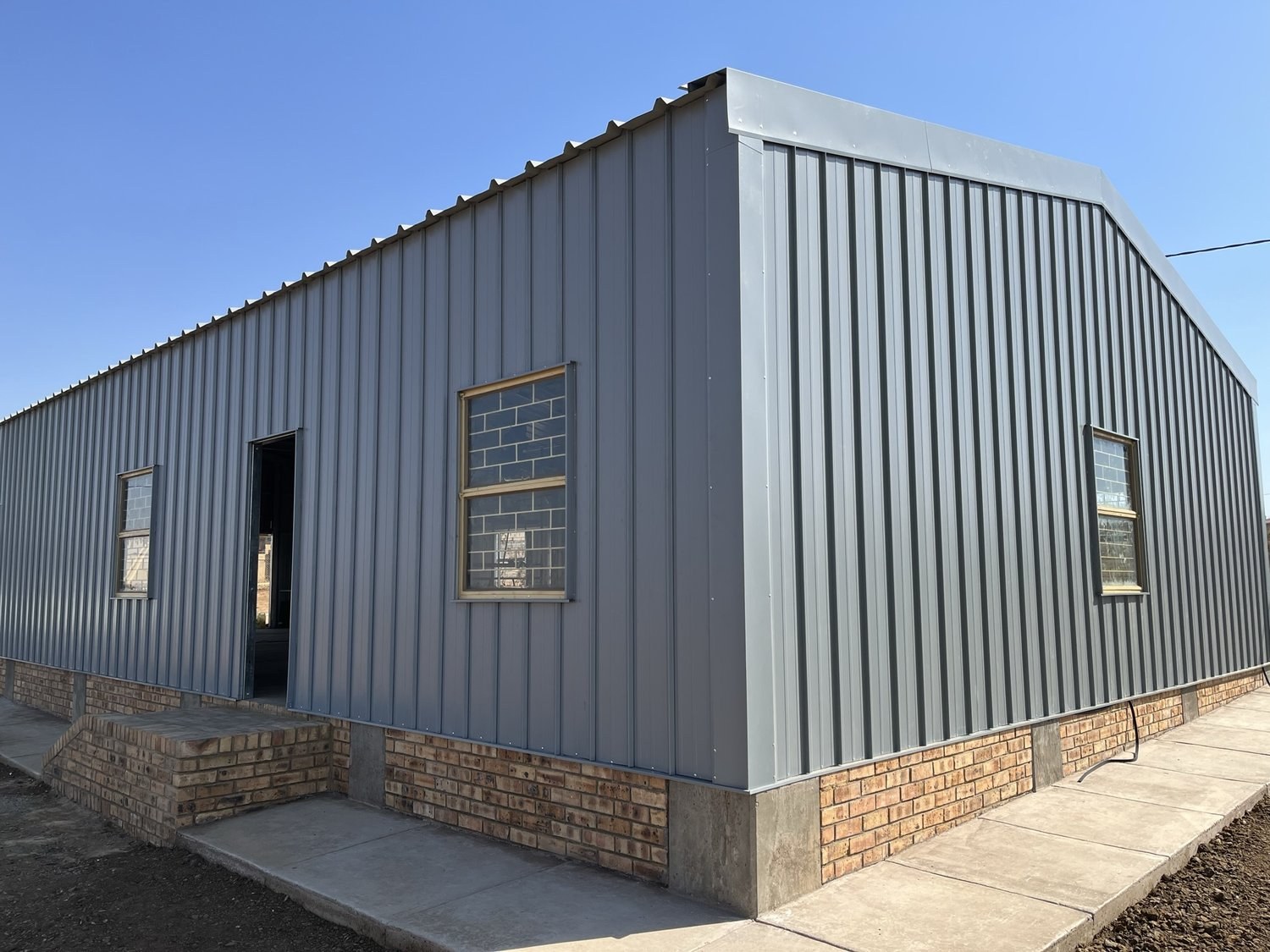
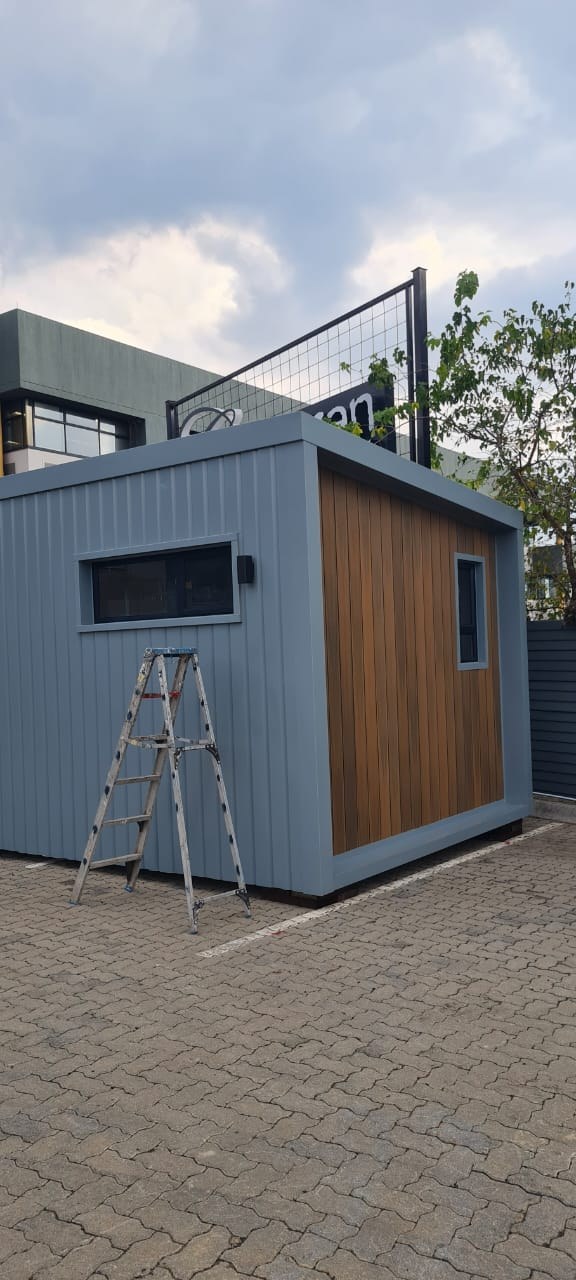
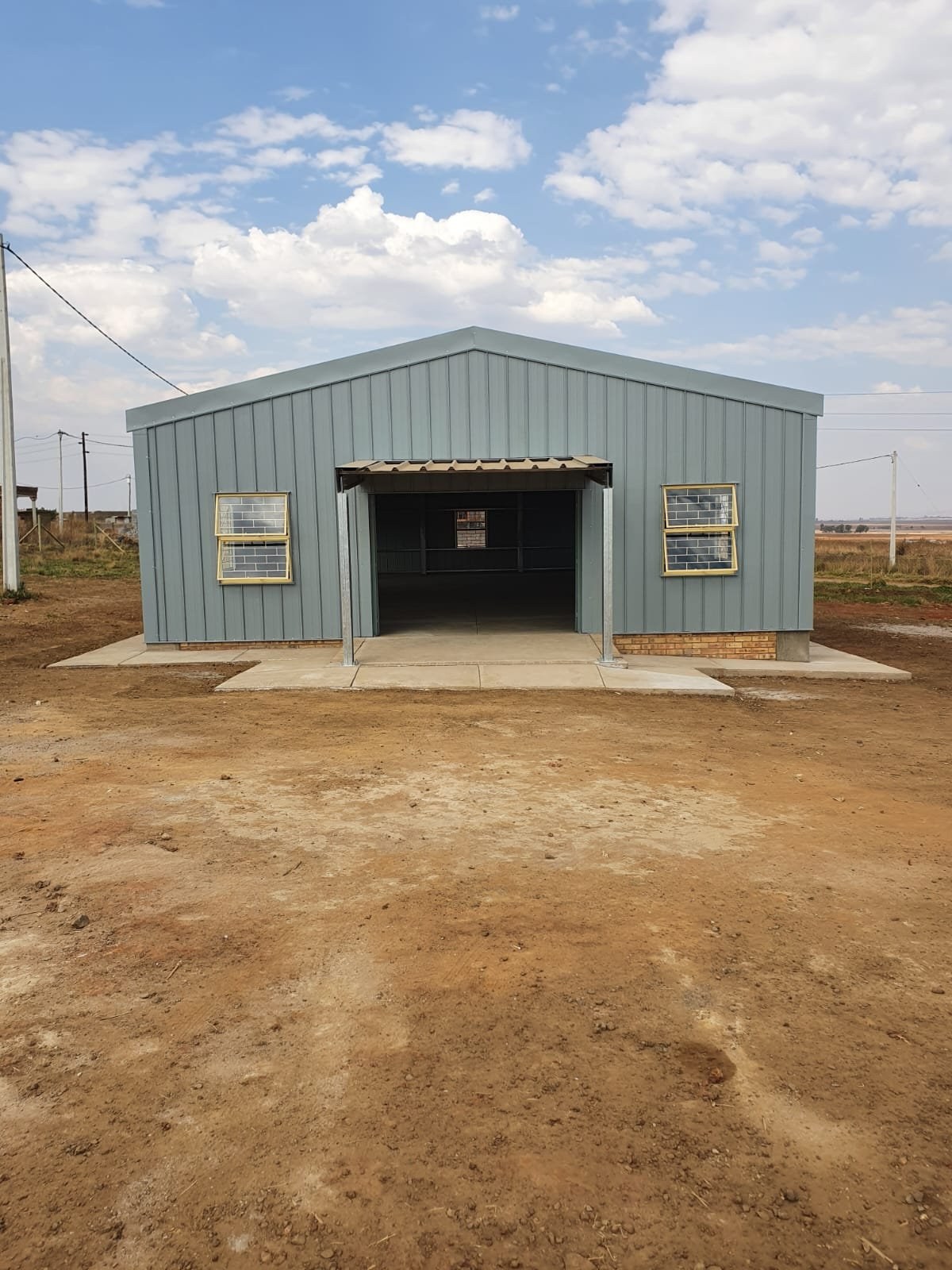
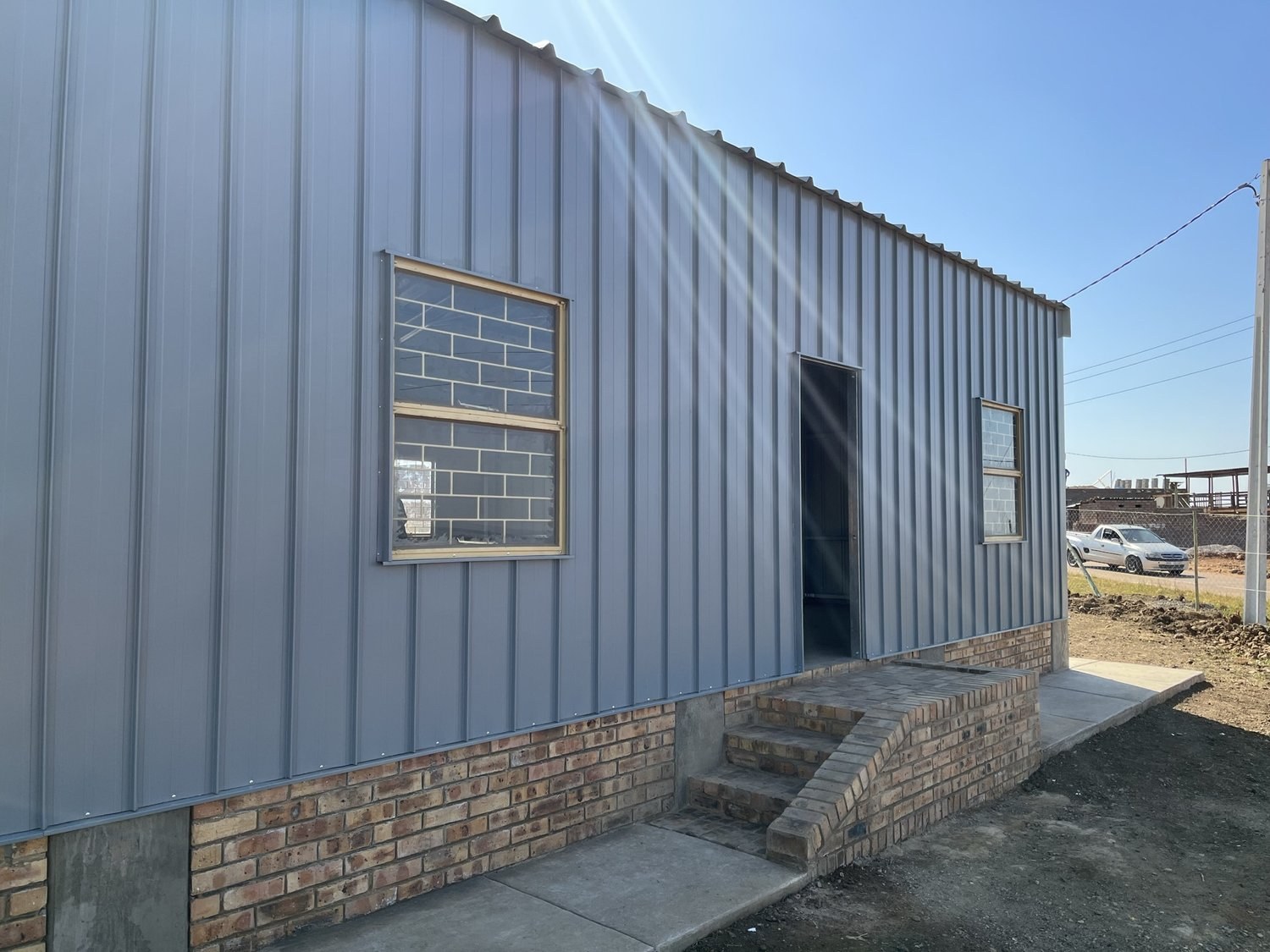
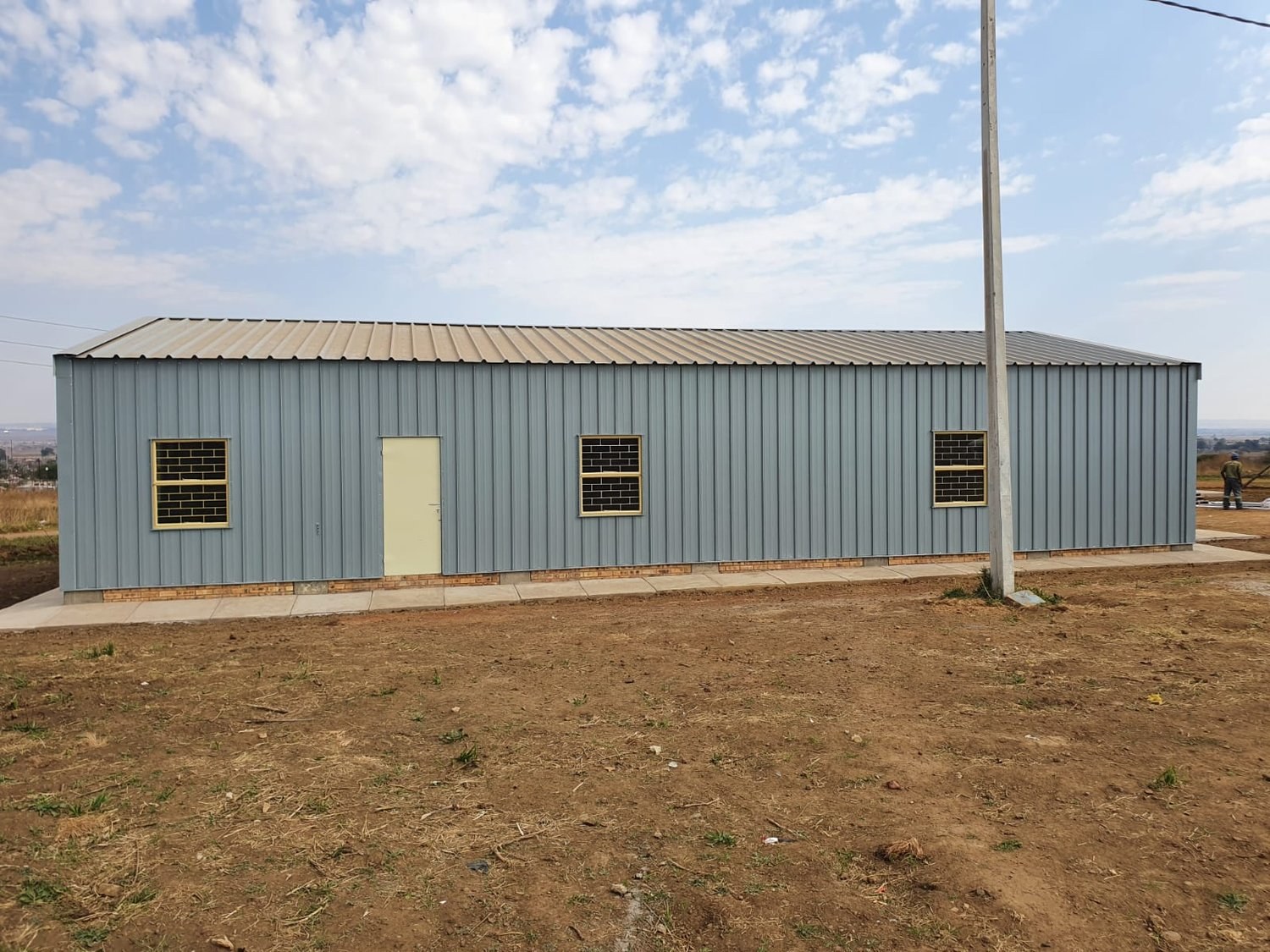
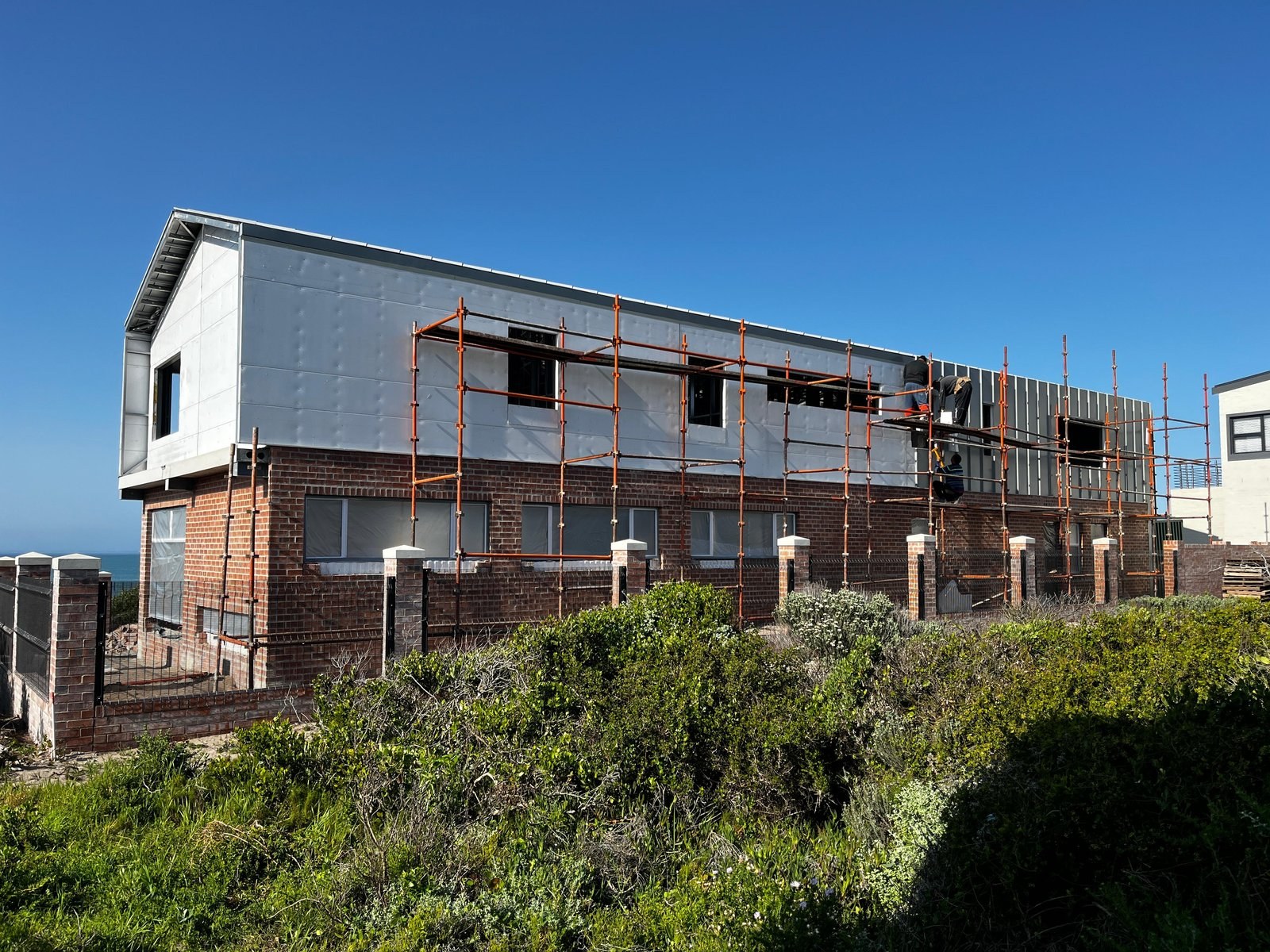
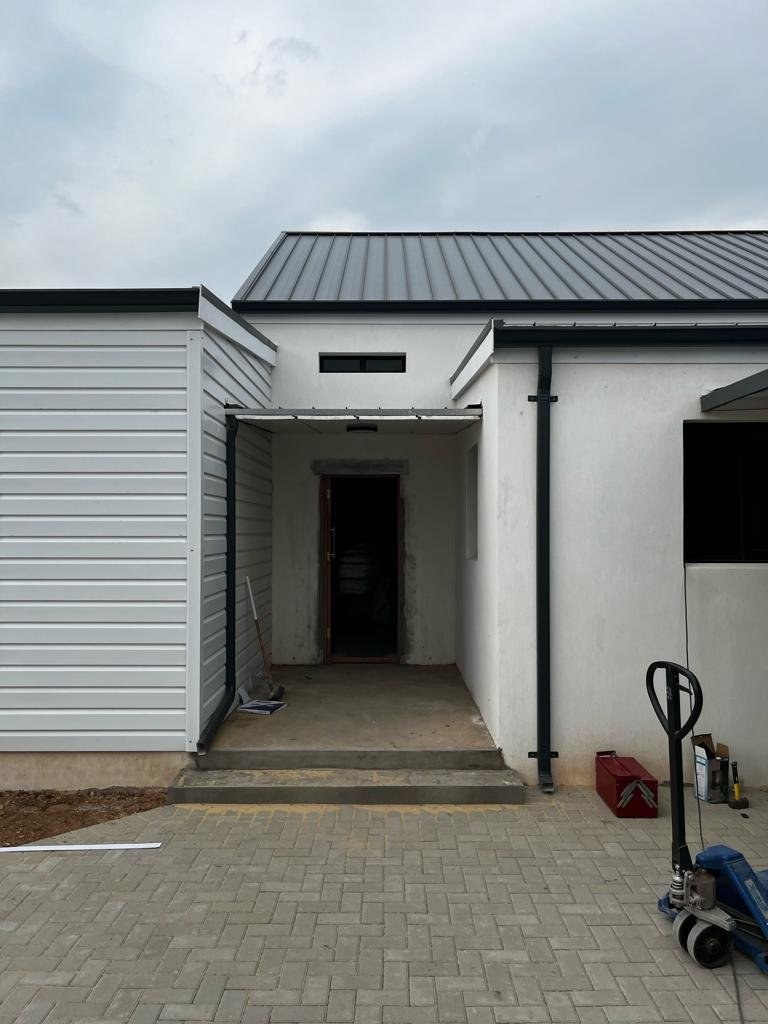
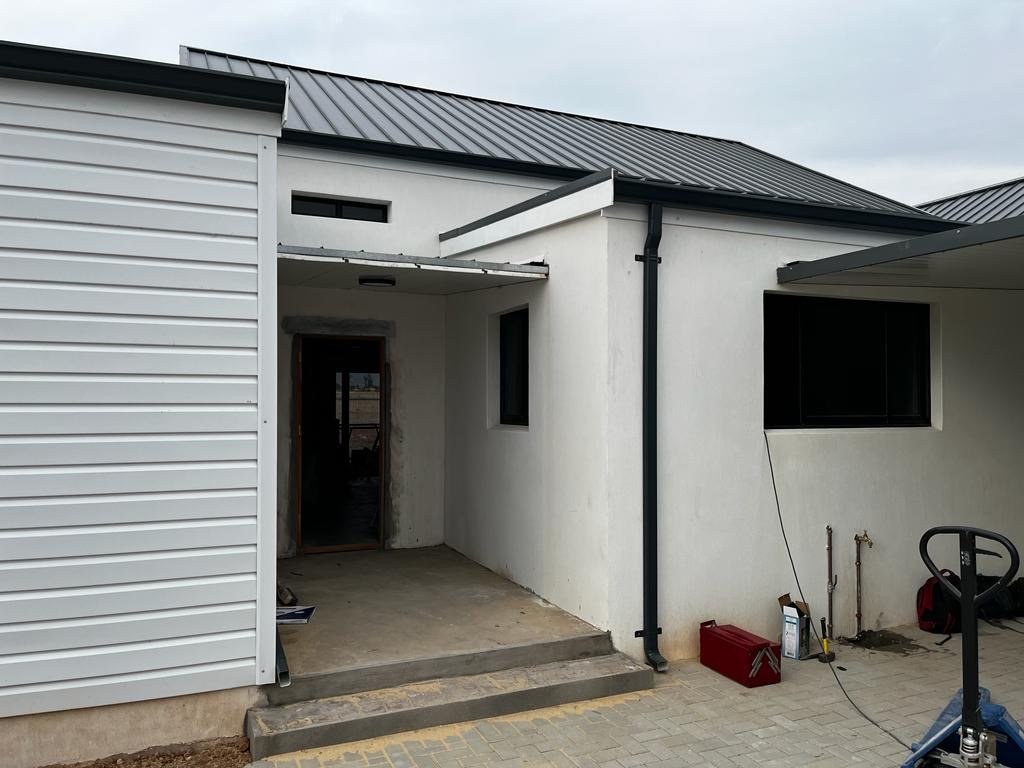
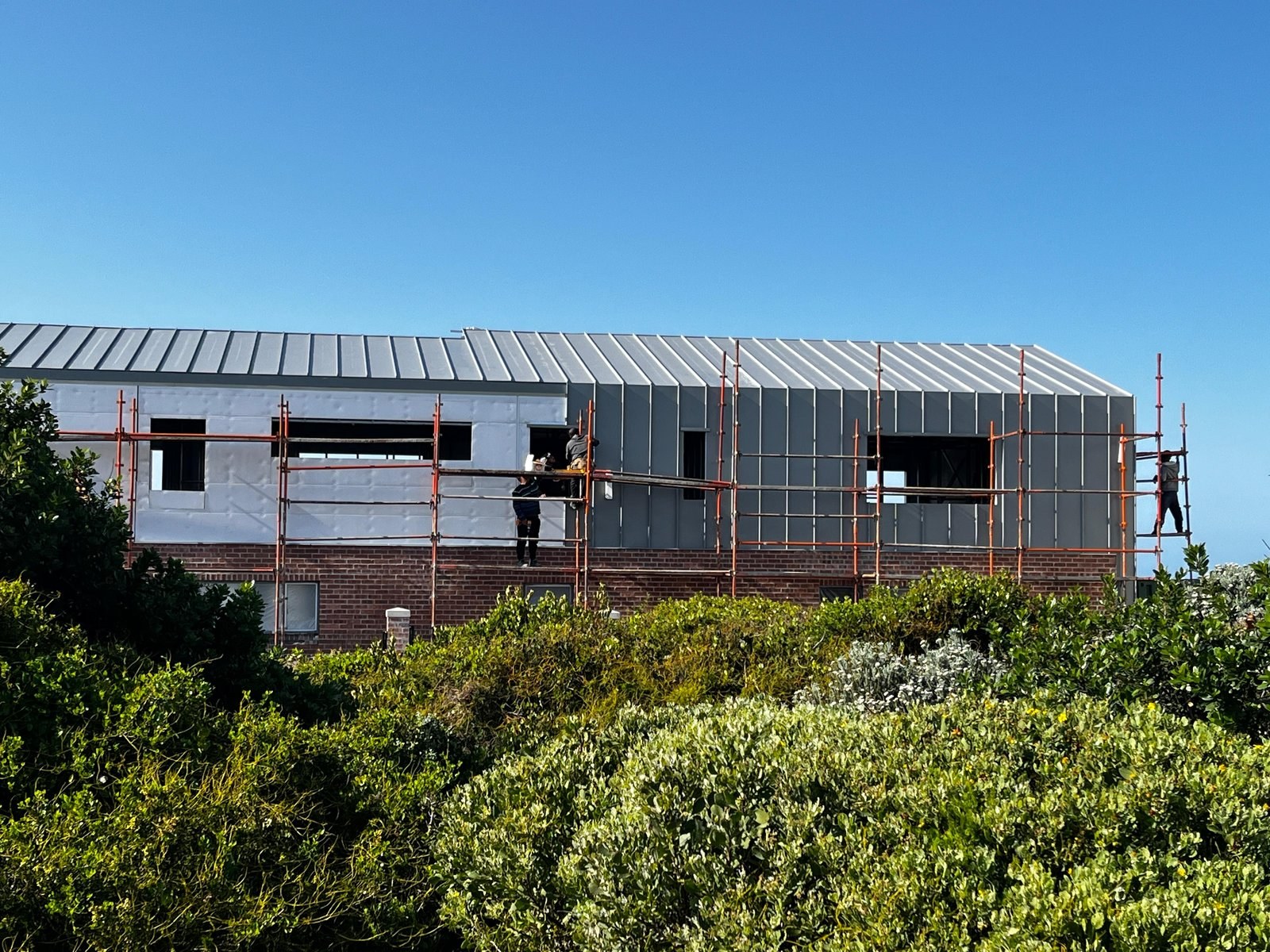
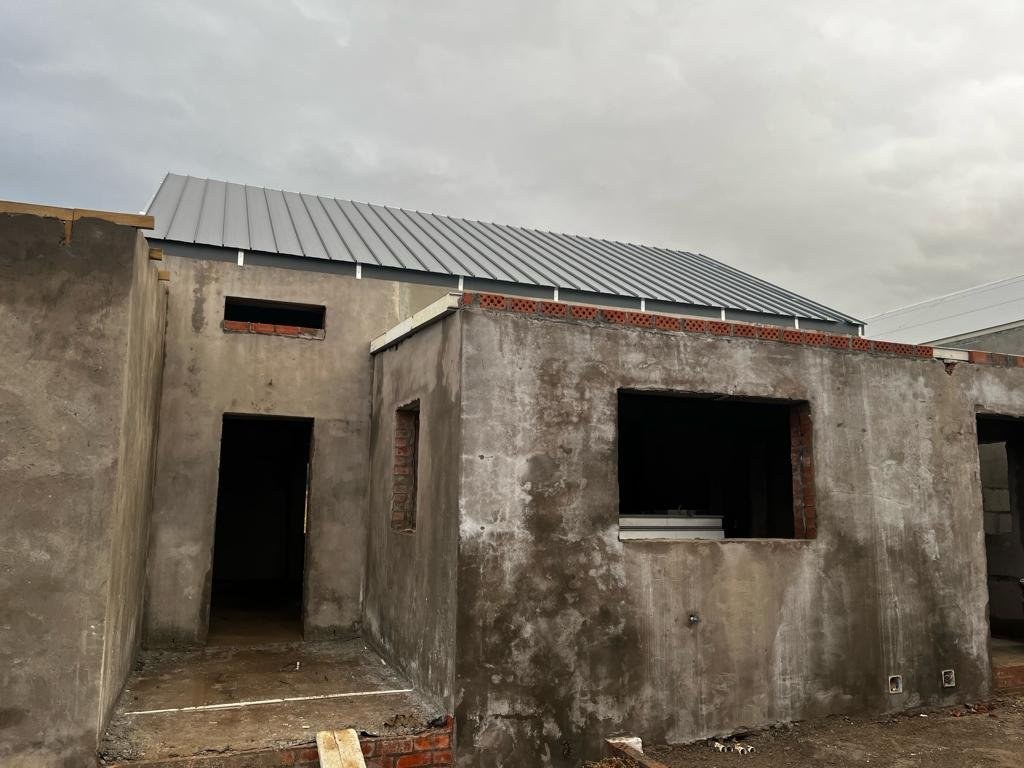
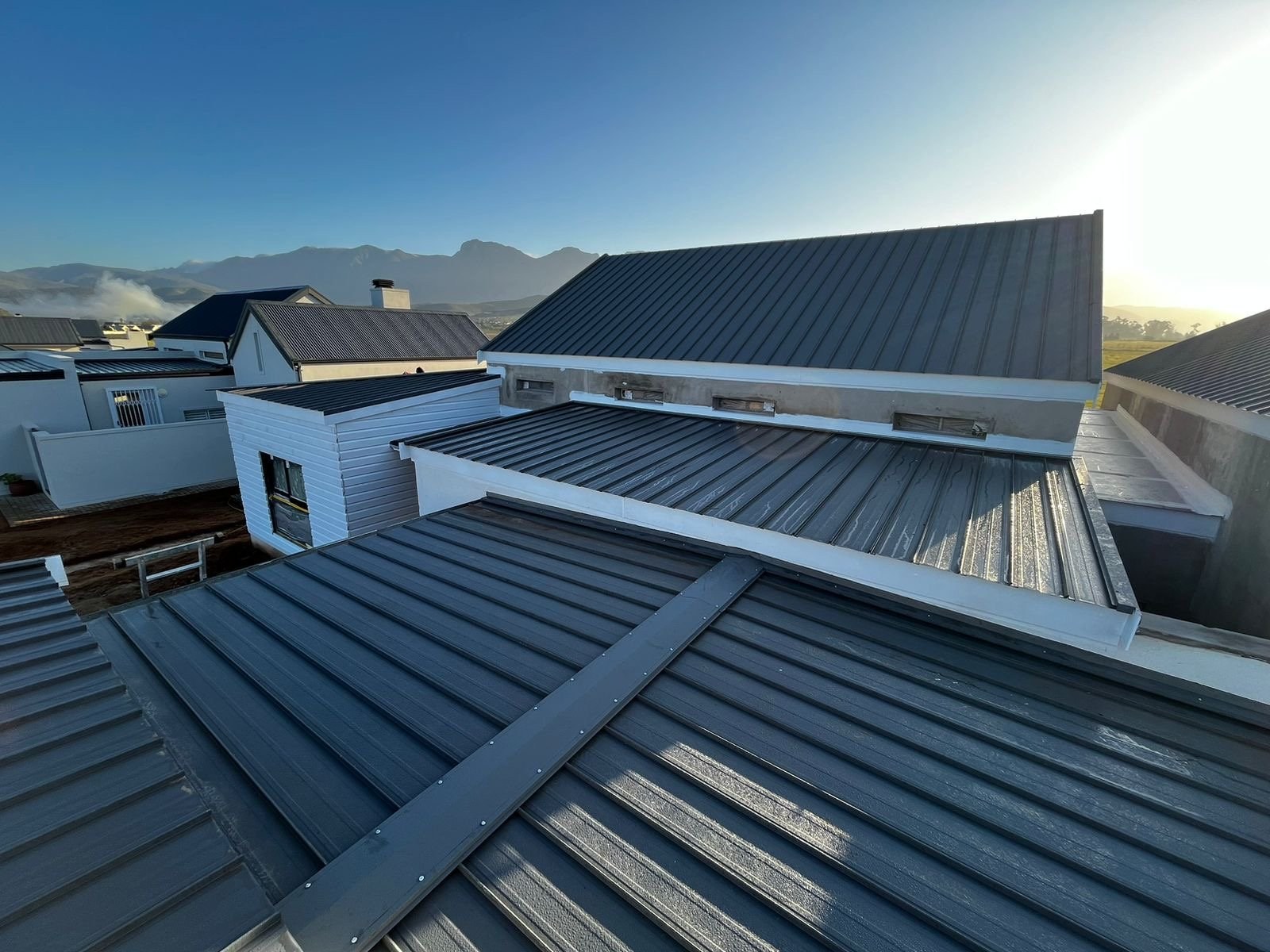
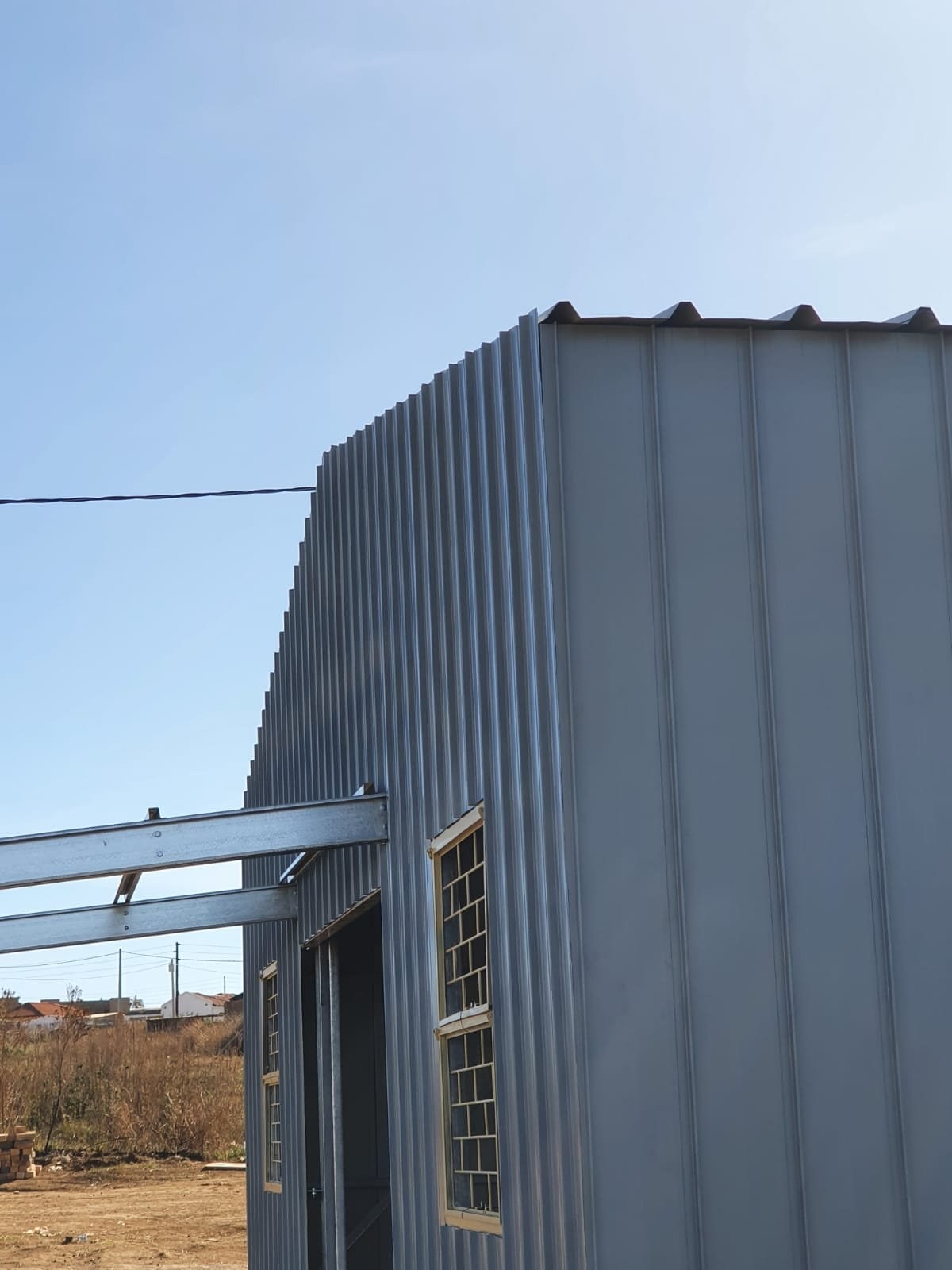
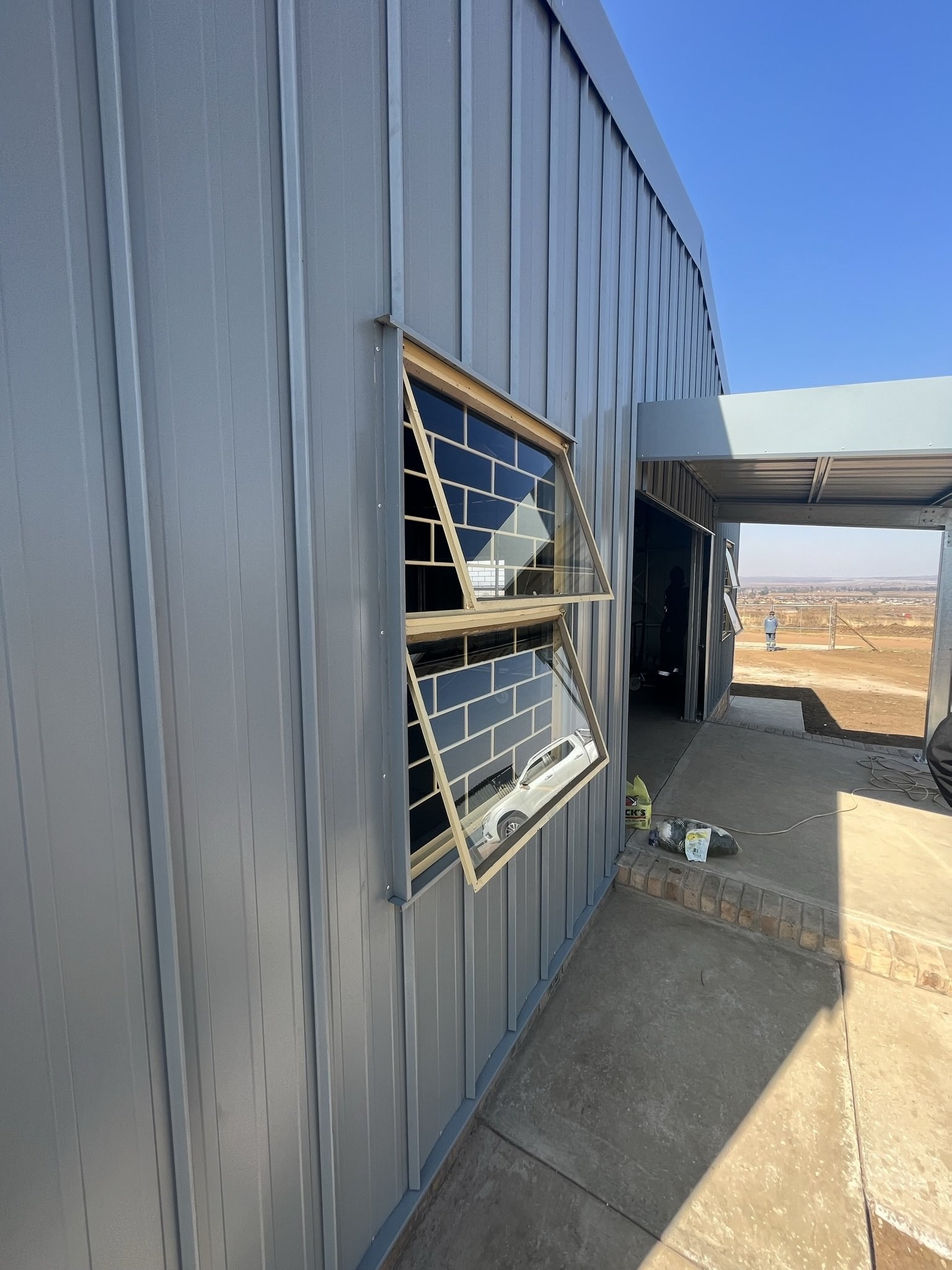
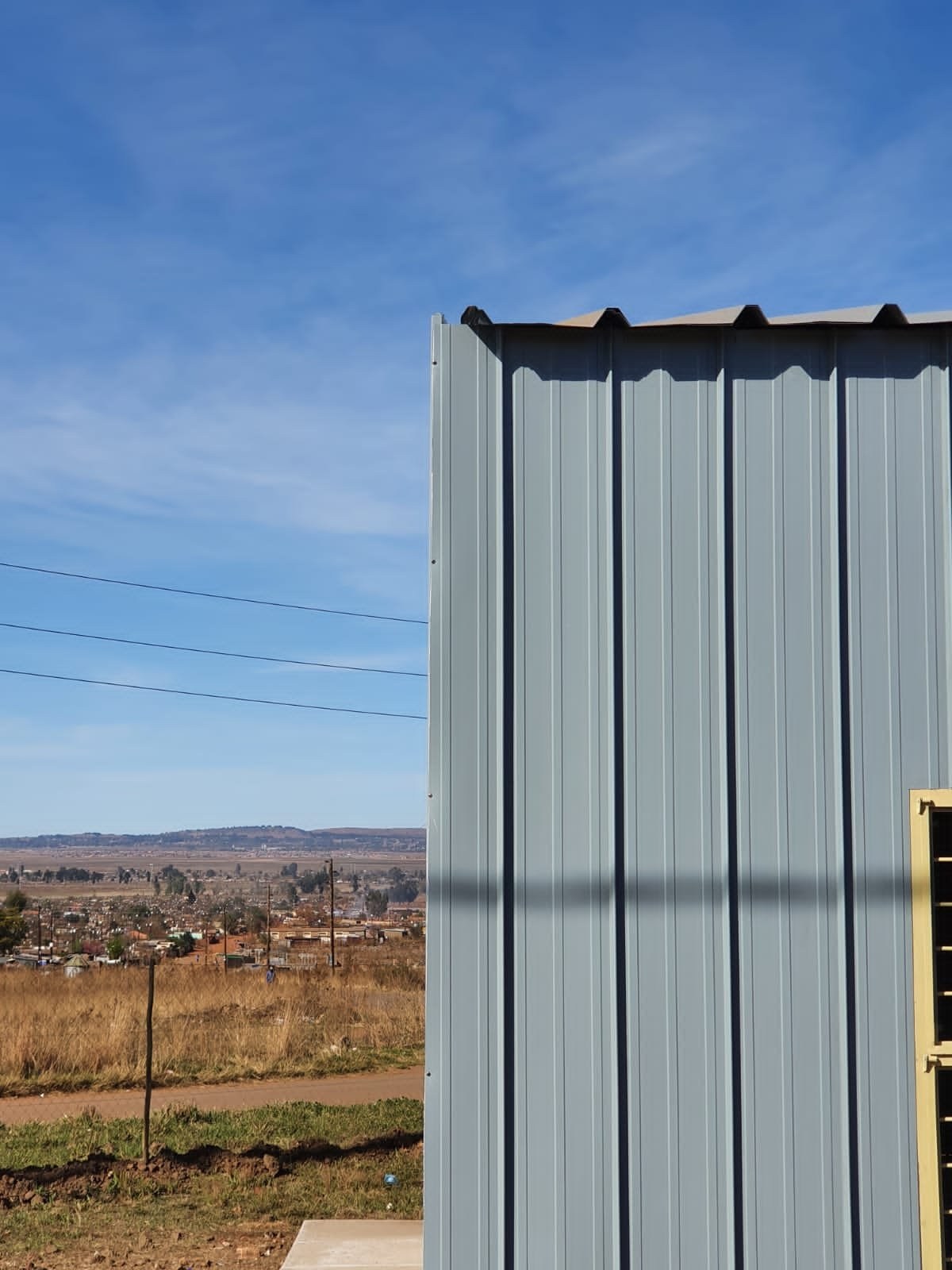
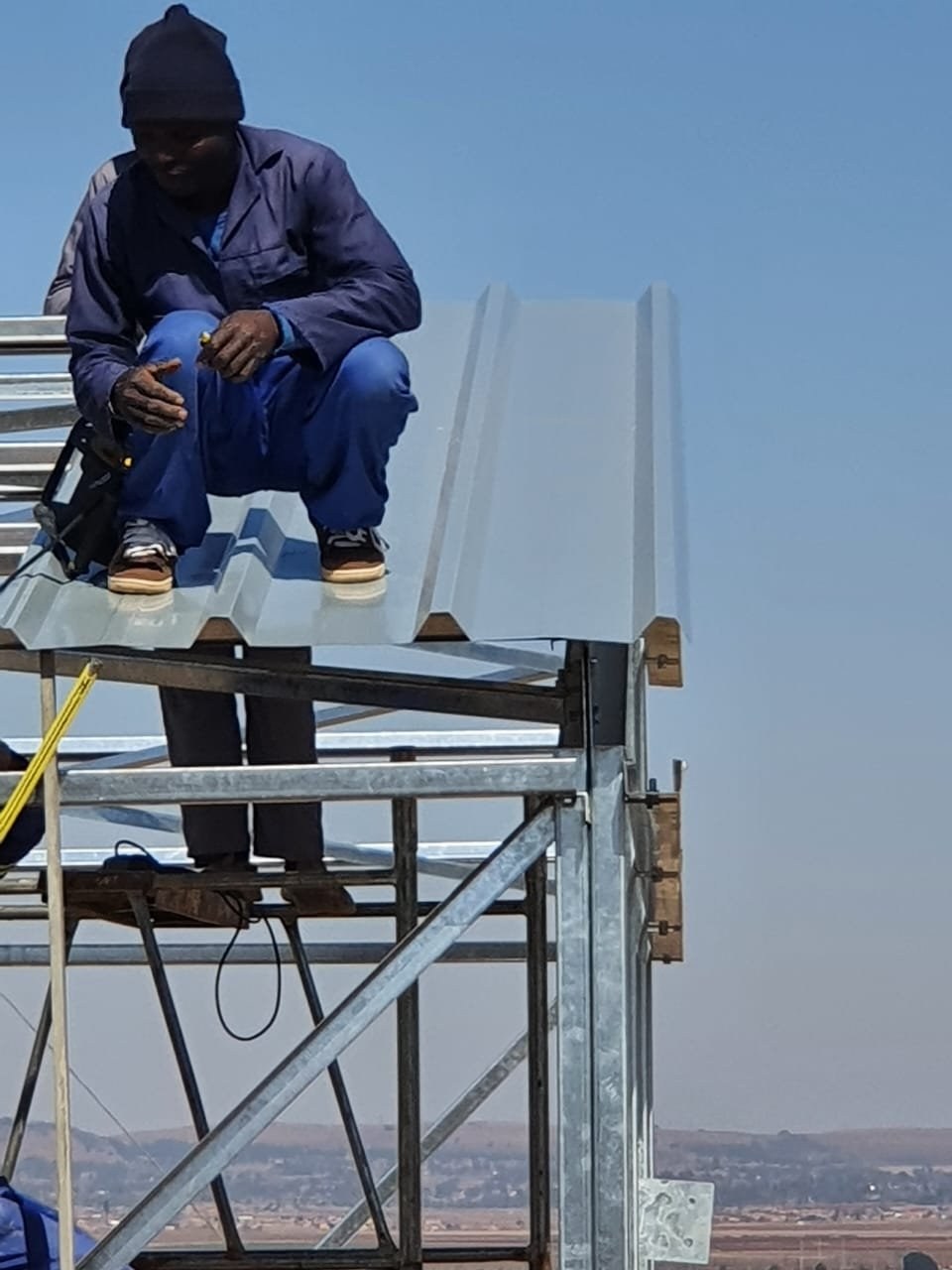
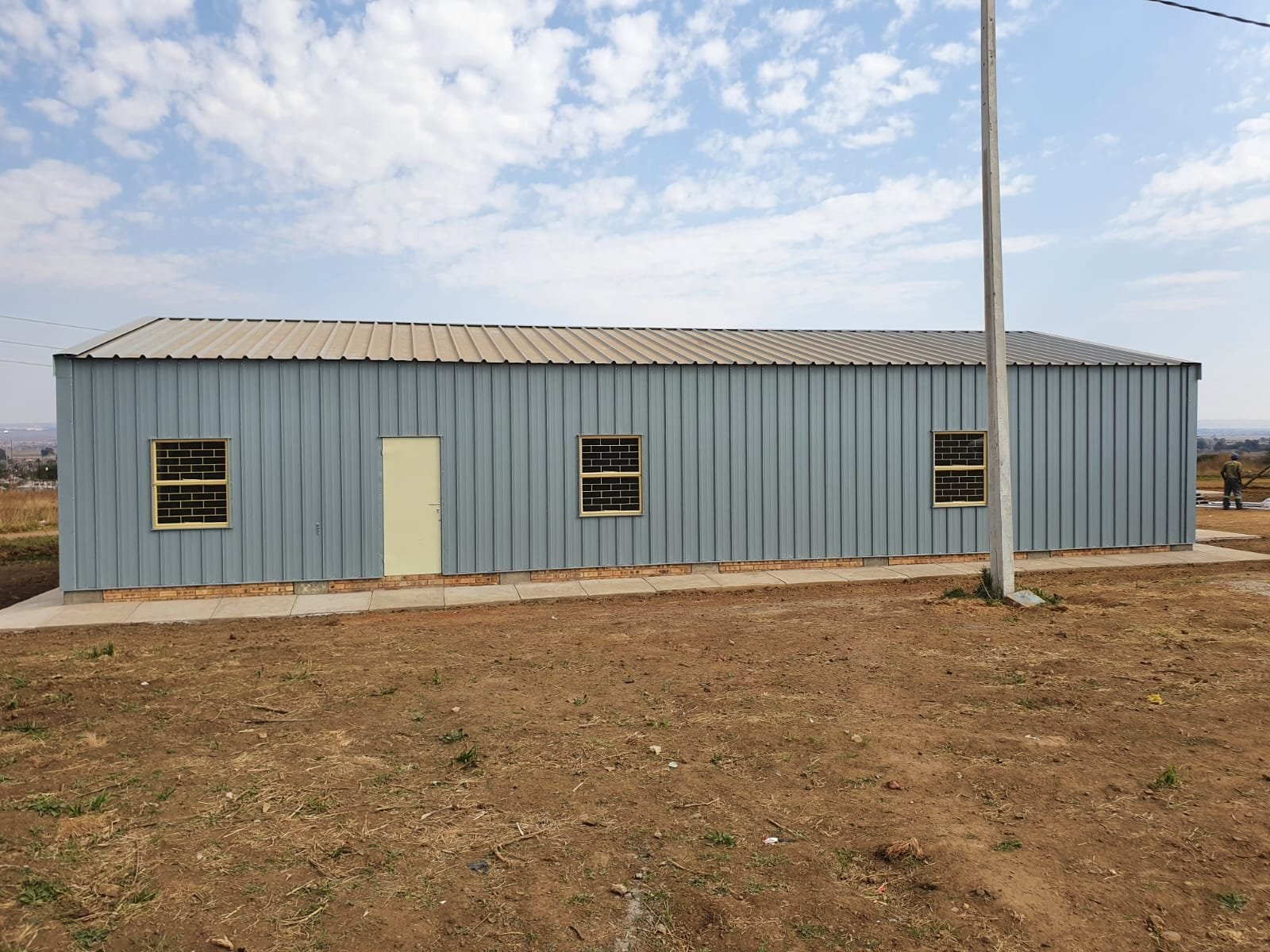
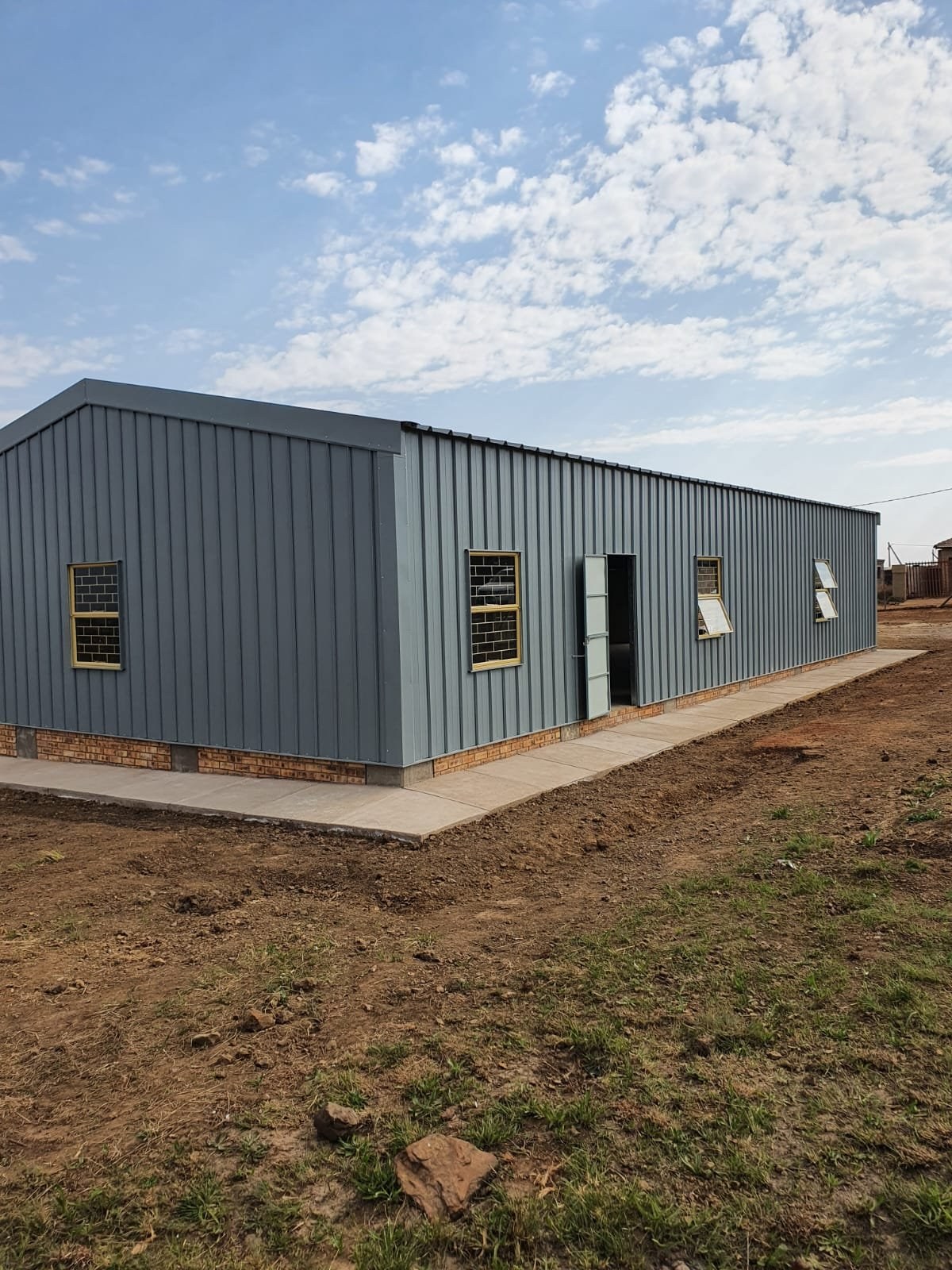
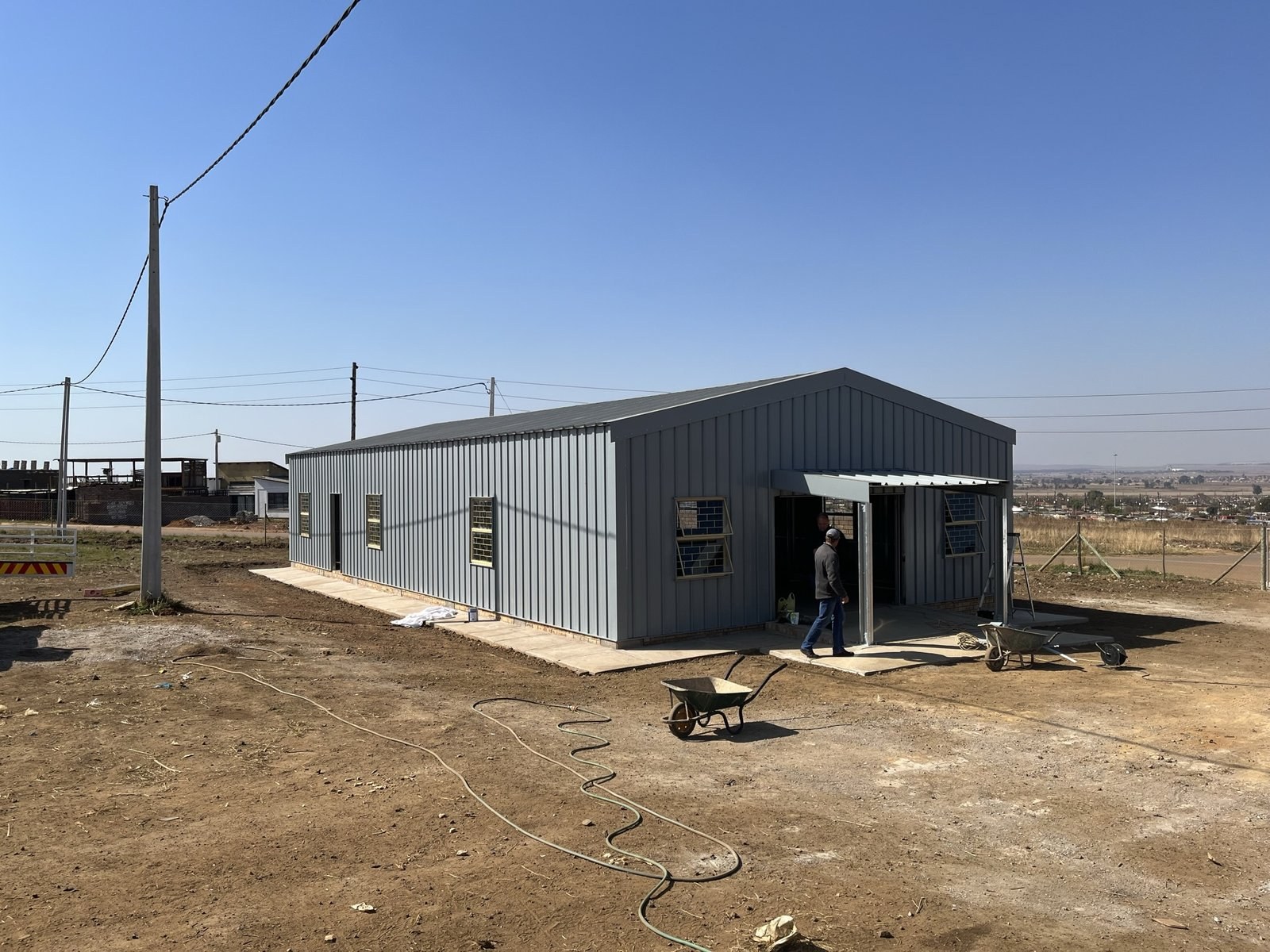
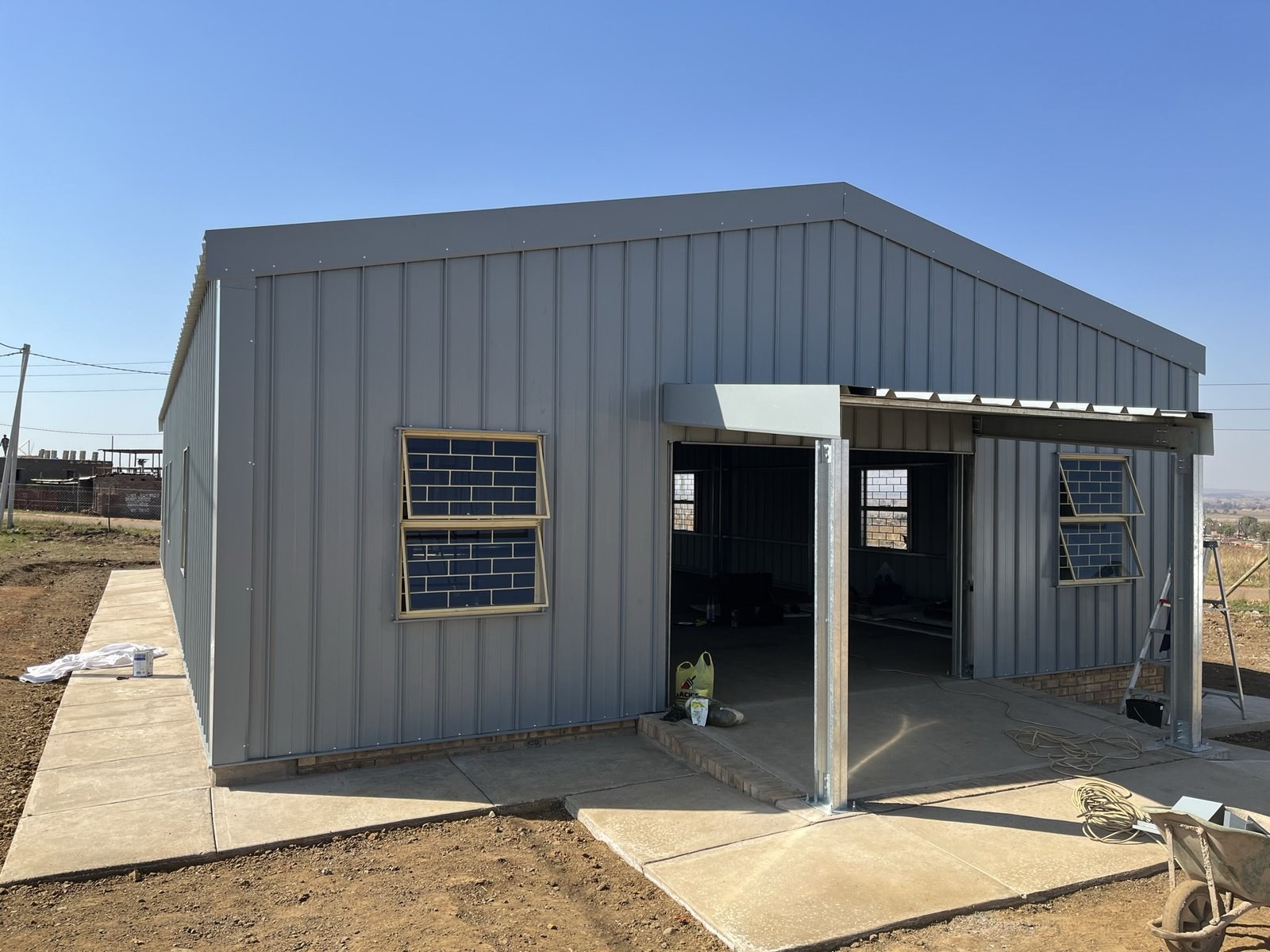
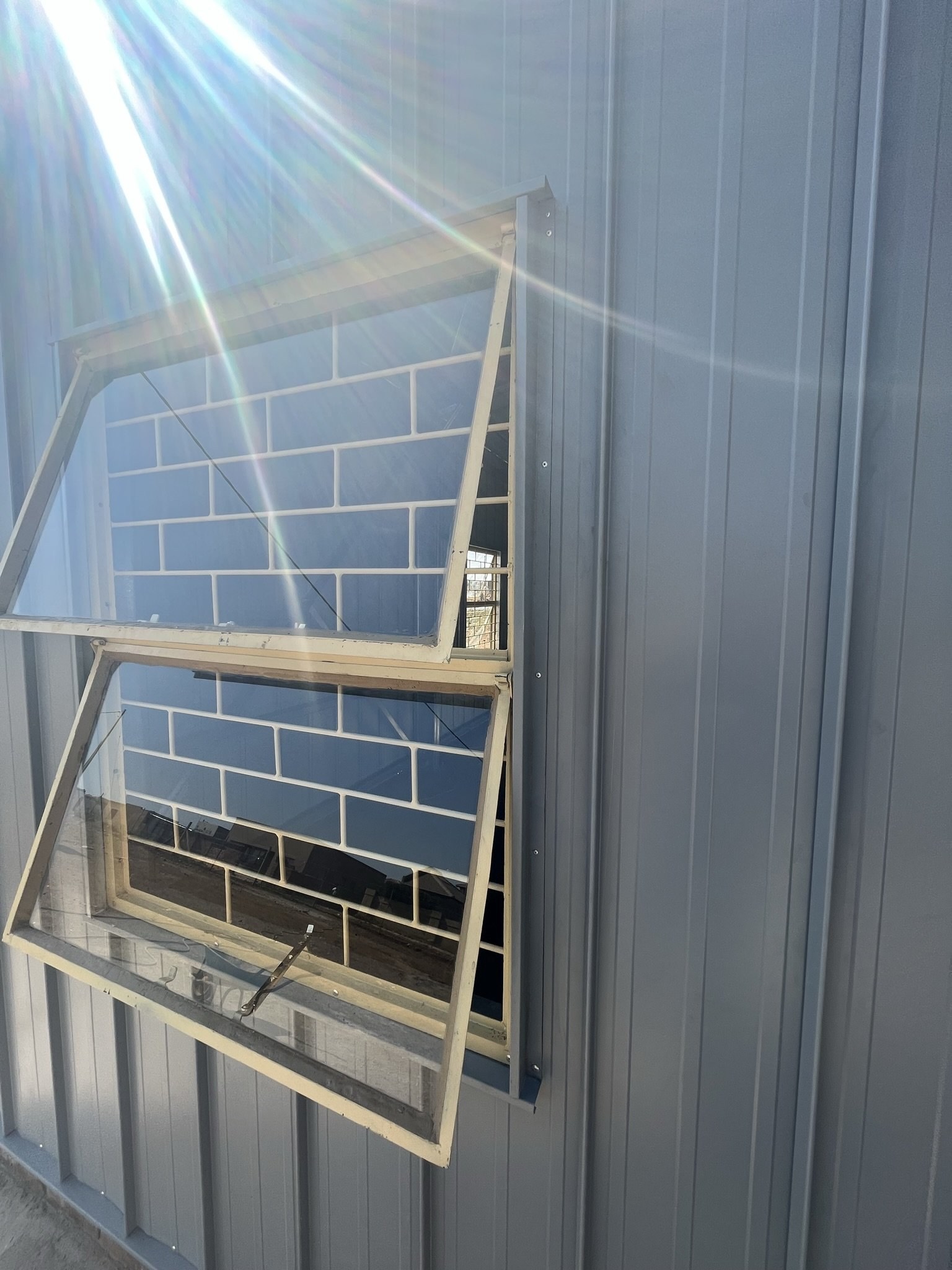
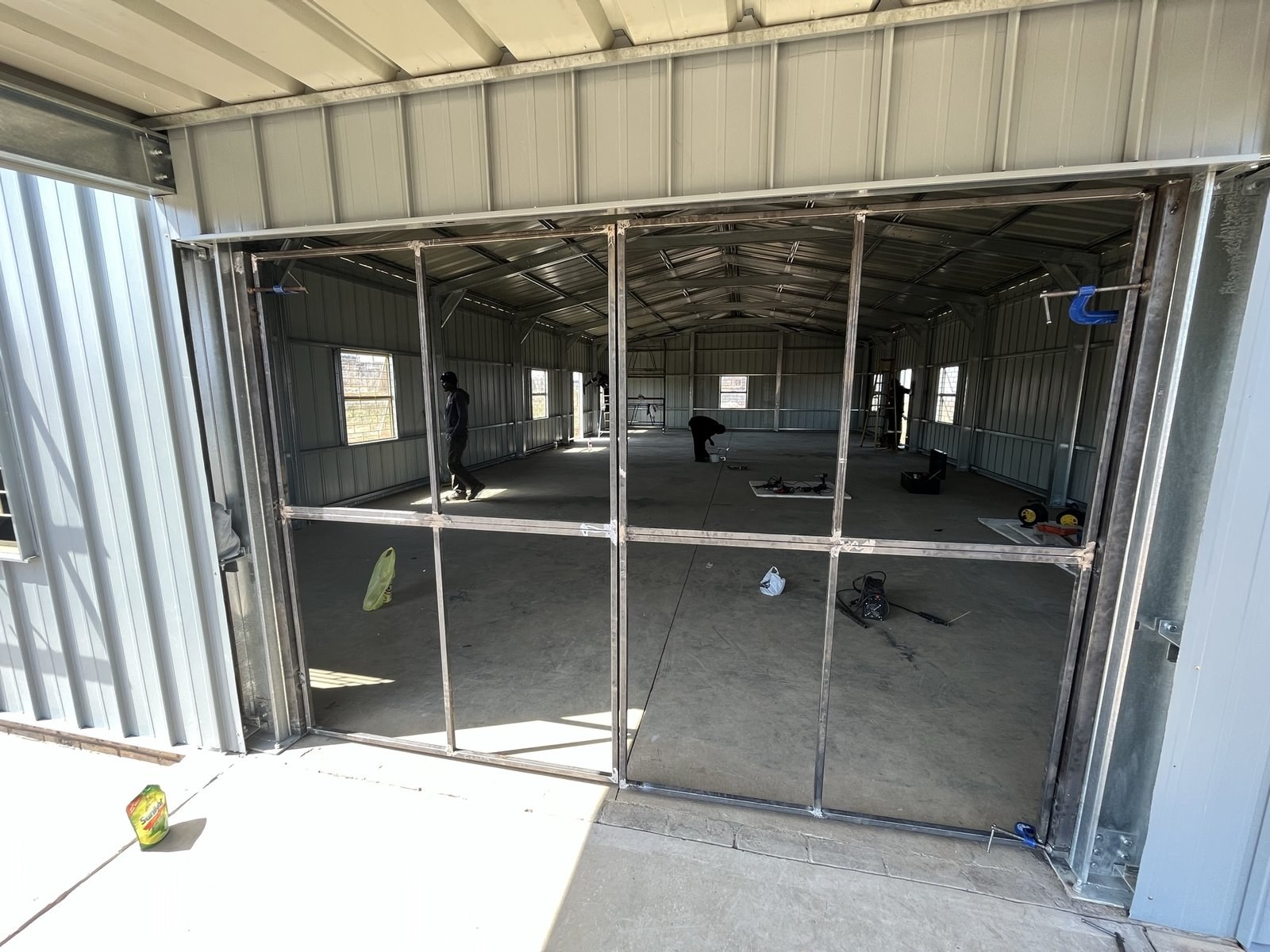
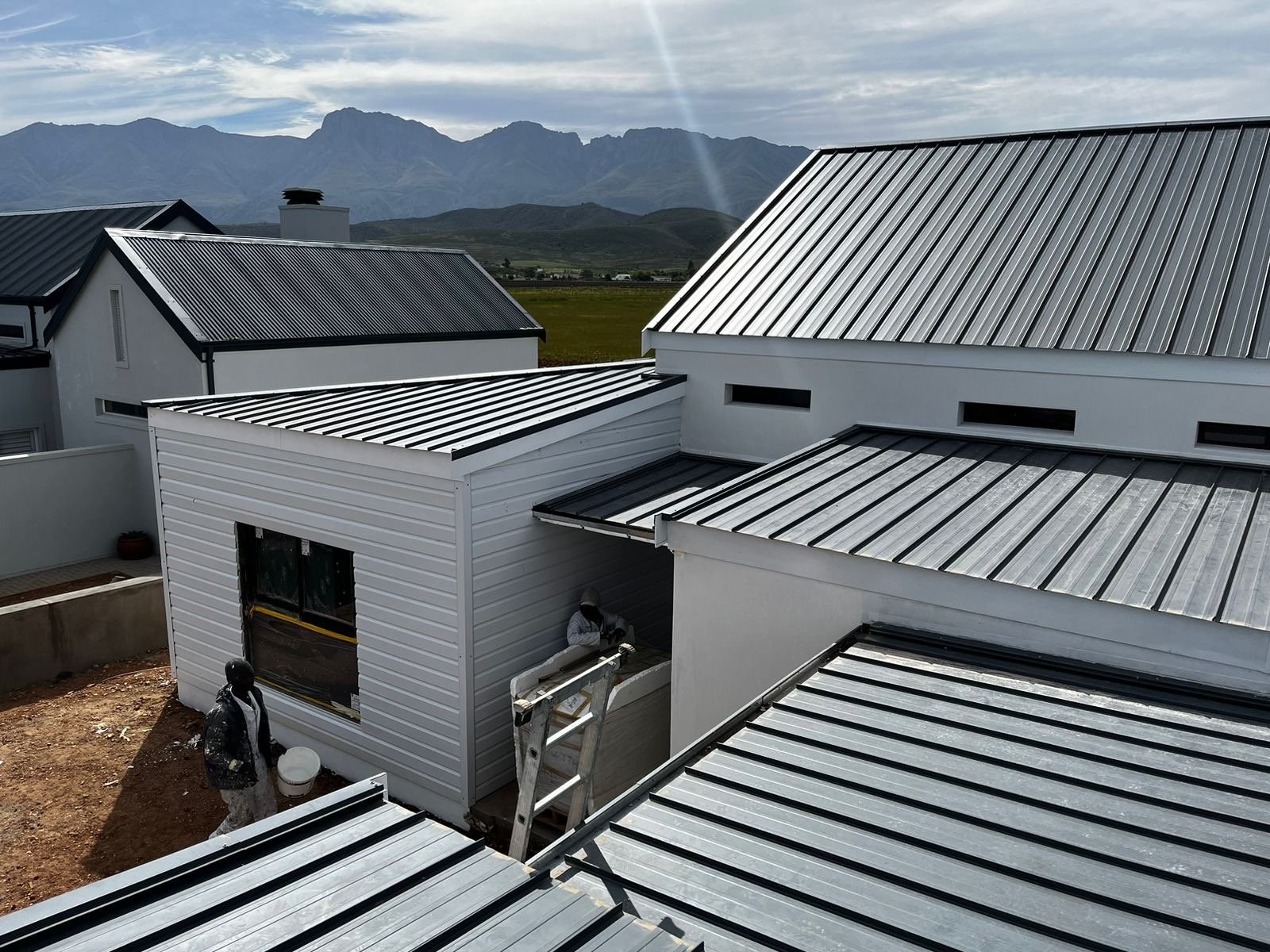
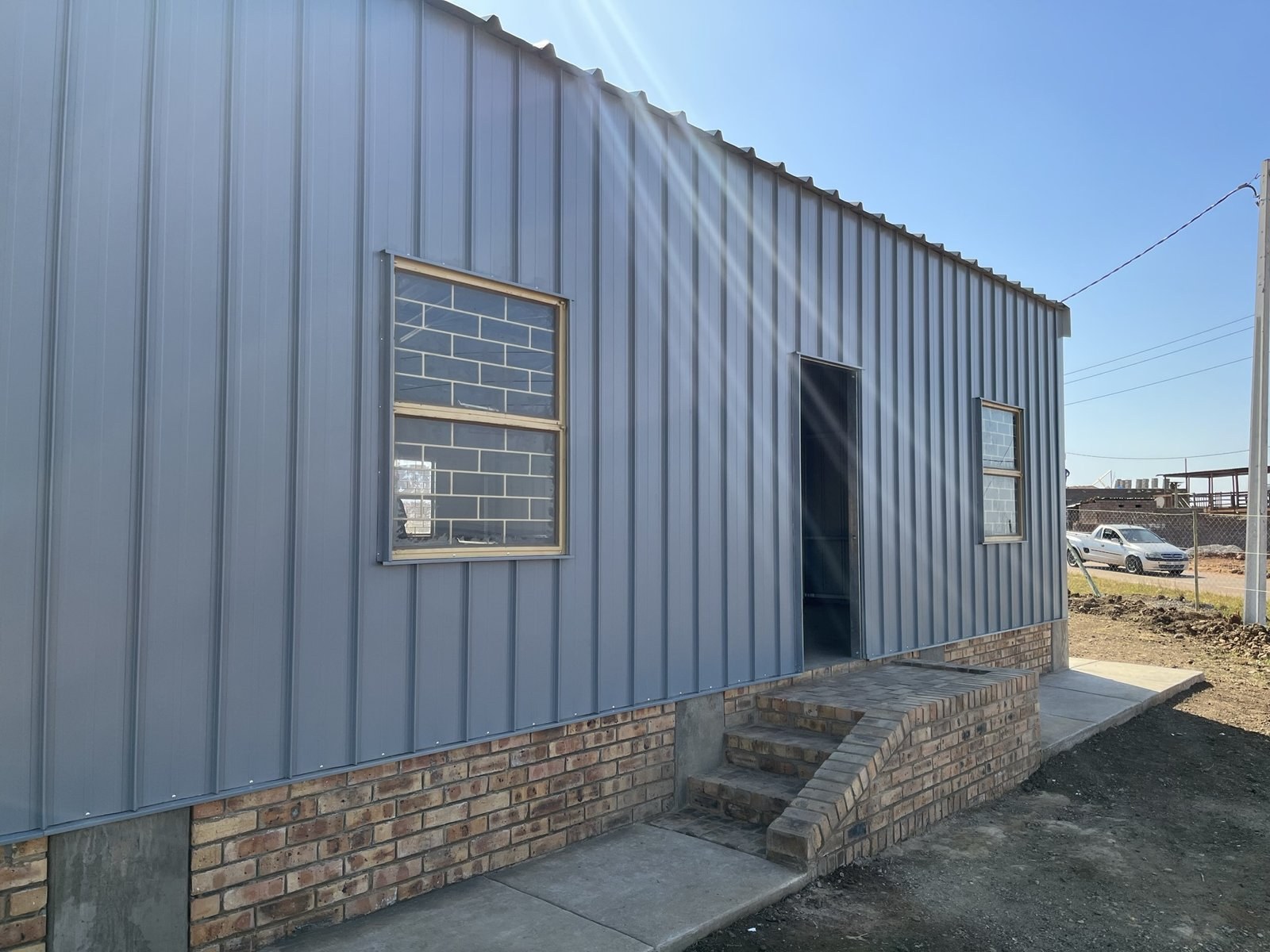
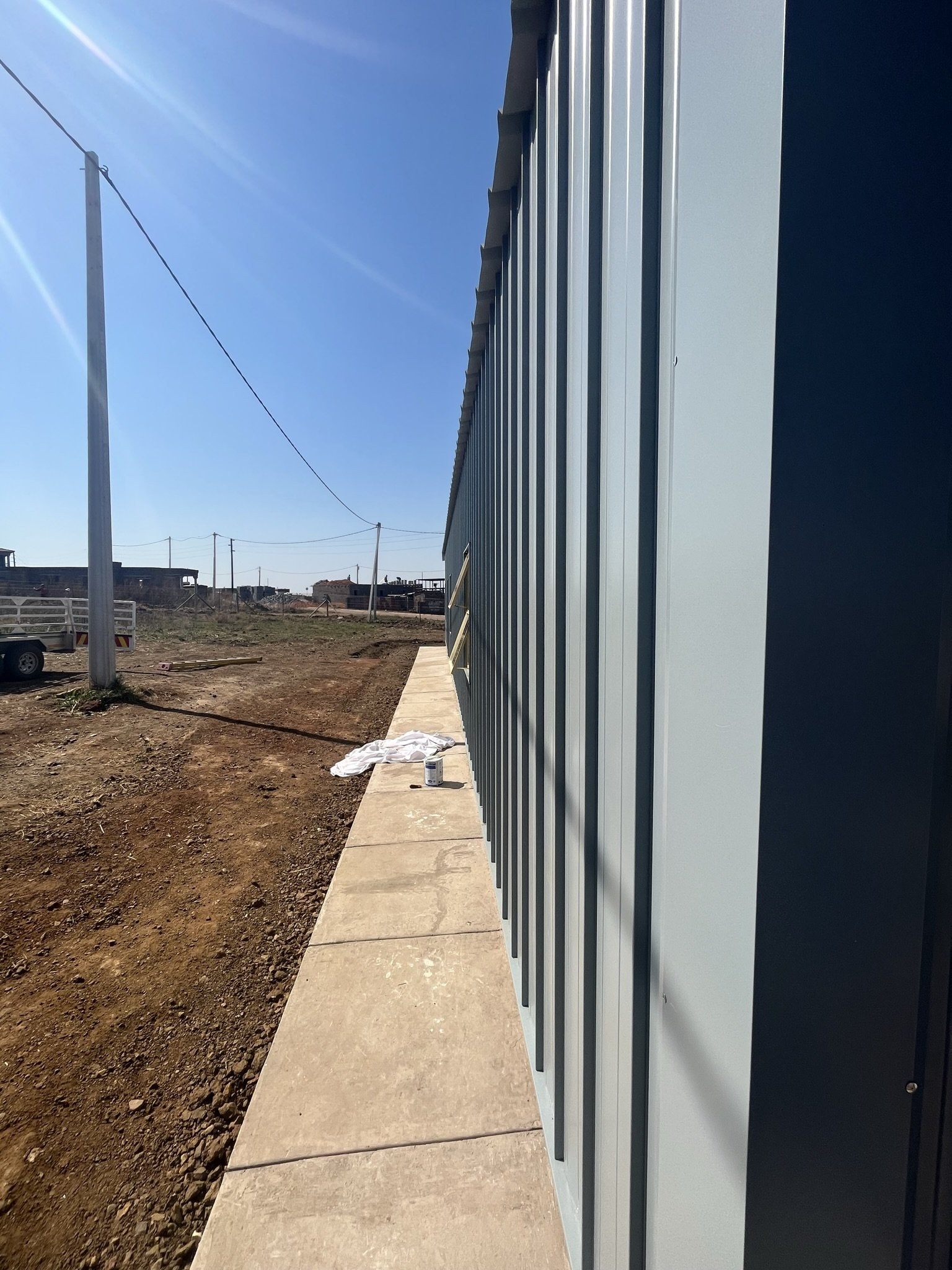
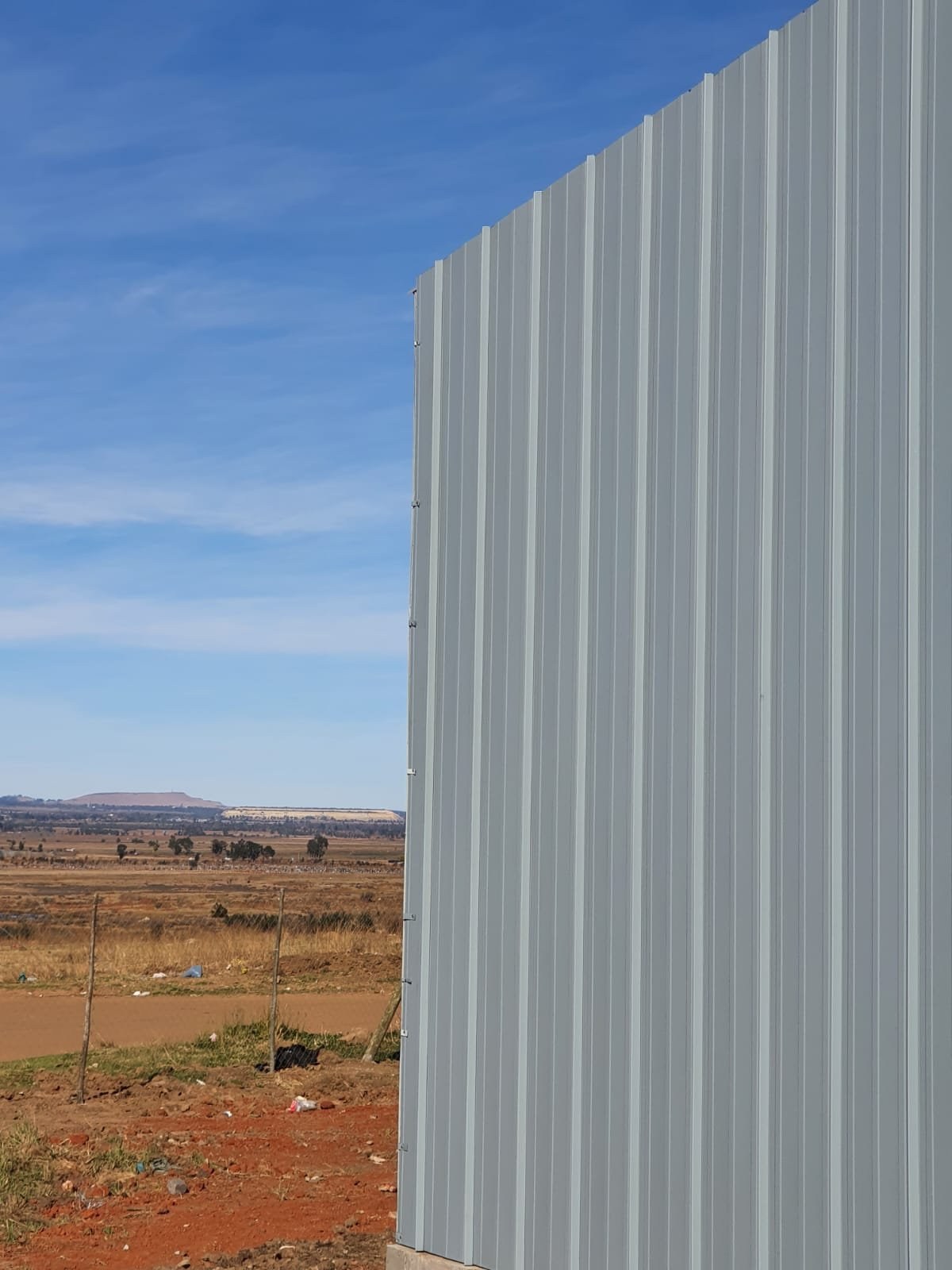
LiteClad is Technopol's profiled 0.5 mm pre-painted steel cladding skin — an "EIFS in metal" external weatherskin / over-cladding fixed to the structure by concealed clips or screws; it is the bare metal facing only (the EPS-cored composite board is the separate NuClad product), so it carries no bonded insulation core.
| Property | Value | Standard |
|---|
| Profile range & cover width | Standing Seam Narrow 282 / Wide 495; ClipClad 270; DutchClad 293; Corrugated 990; IBR Wide 990 mm | — |
| Profile geometry (rib) | IBR: 990 cover, rib pitch 330; Corrugated: 990 cover, pitch 76, depth 18; Standing Seam 495/282 cover mm | — |
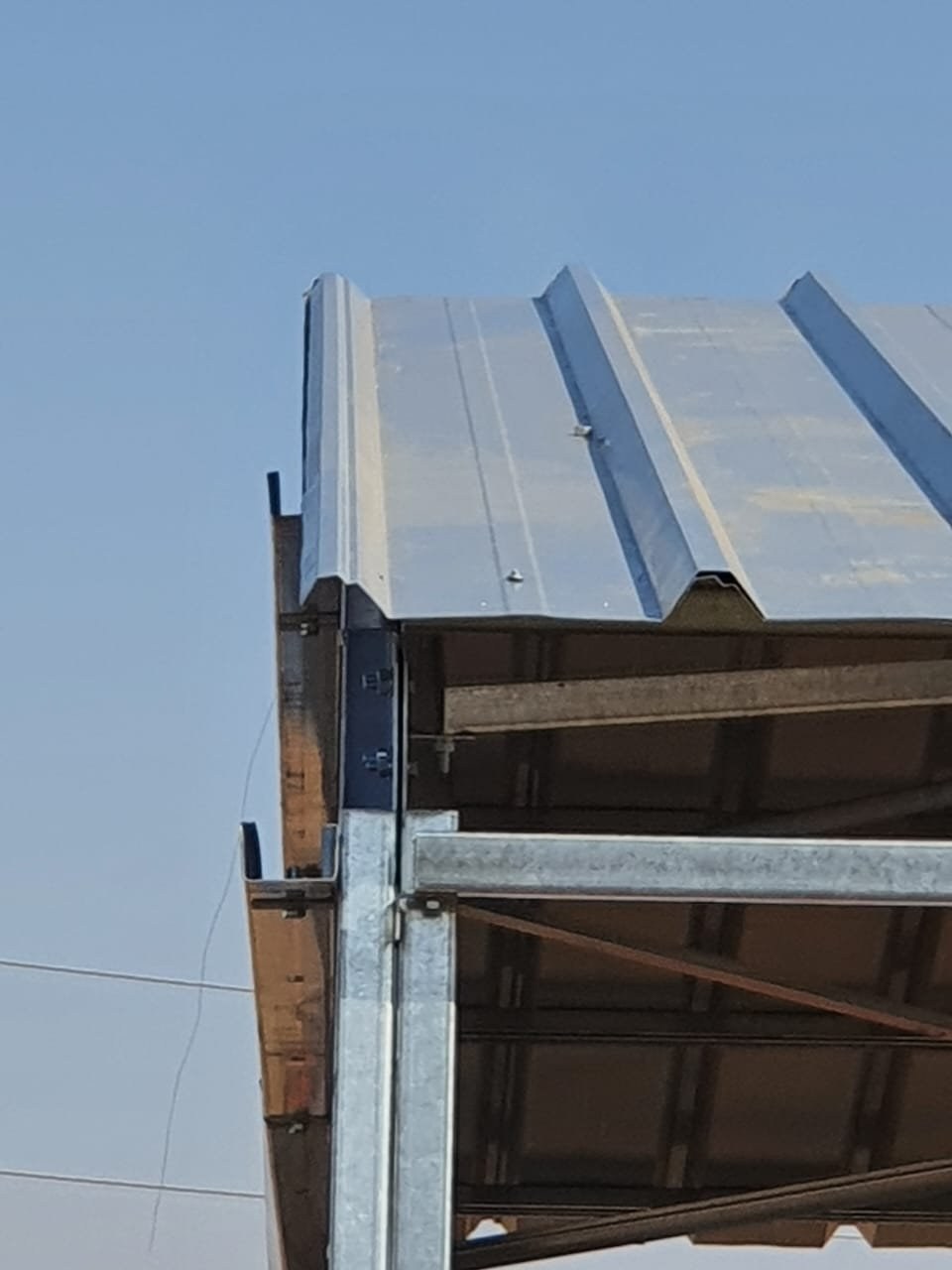
| Fixing method | Corrugated & IBR Widethrough-fixed, fasteners EXPOSED. ClipClad & DutchClad — the screw goes through the LIP, and the next panel covers that lip: CONCEALED. Standing Seam — hidden clip fixed to the support, then pan / clip / pan seamed together: CONCEALED | — |
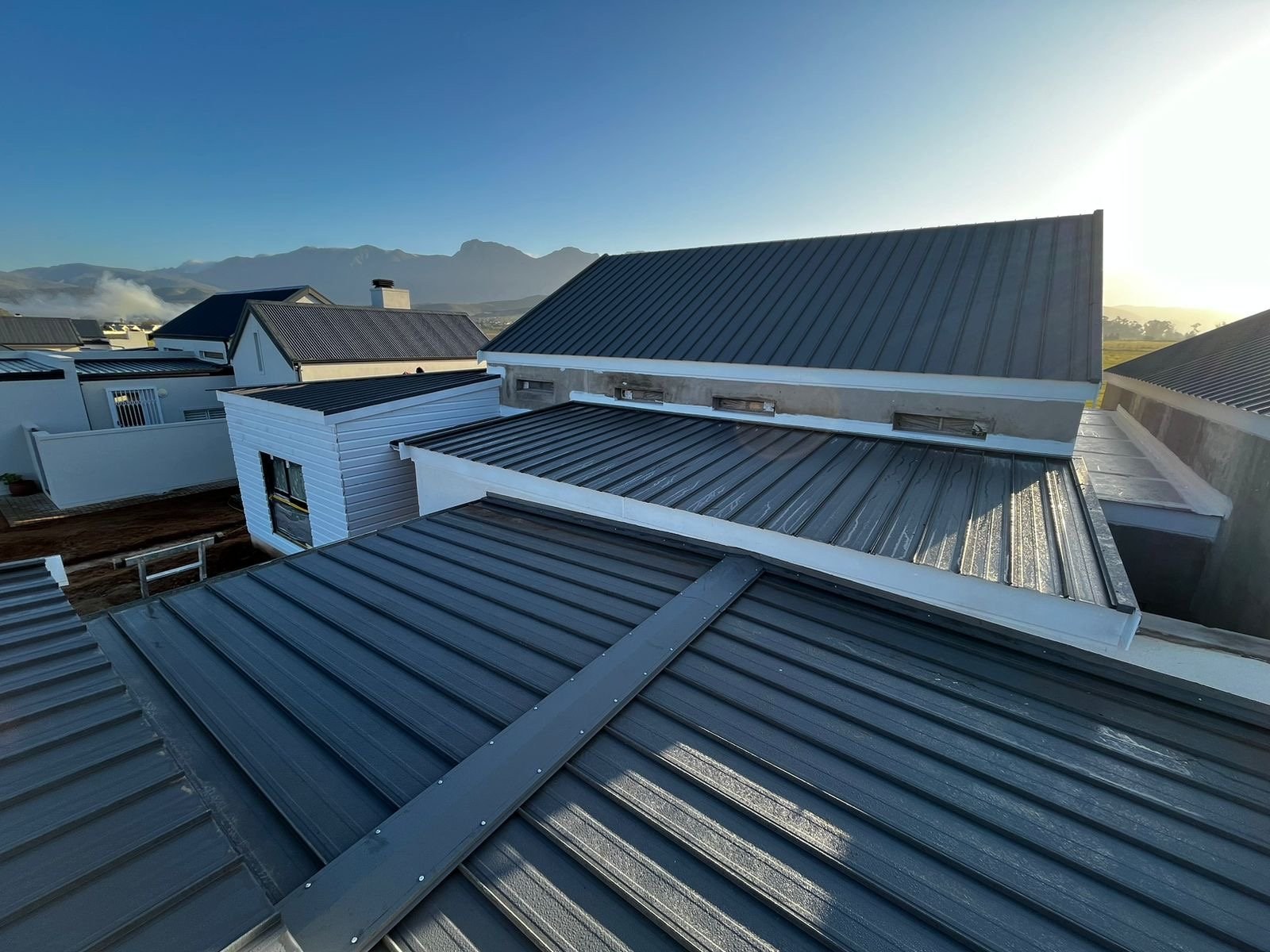
| Applications / orientation | EIFS over-cladding, external wall cladding, roofing (roofing-rated: Standing Seam, ClipClad, Corrugated, IBR Wide), ABTsprofiles run vertically or horizontally | — |
| Standard colour range | Dove Grey 7042, Dark Dolphin 7031, Anthracite Grey 7016, Frost White 9016, Sandstone Beige 1002, Basalt Grey 7012, Quartz Grey 7039, Signal Brown 8002 | RAL |
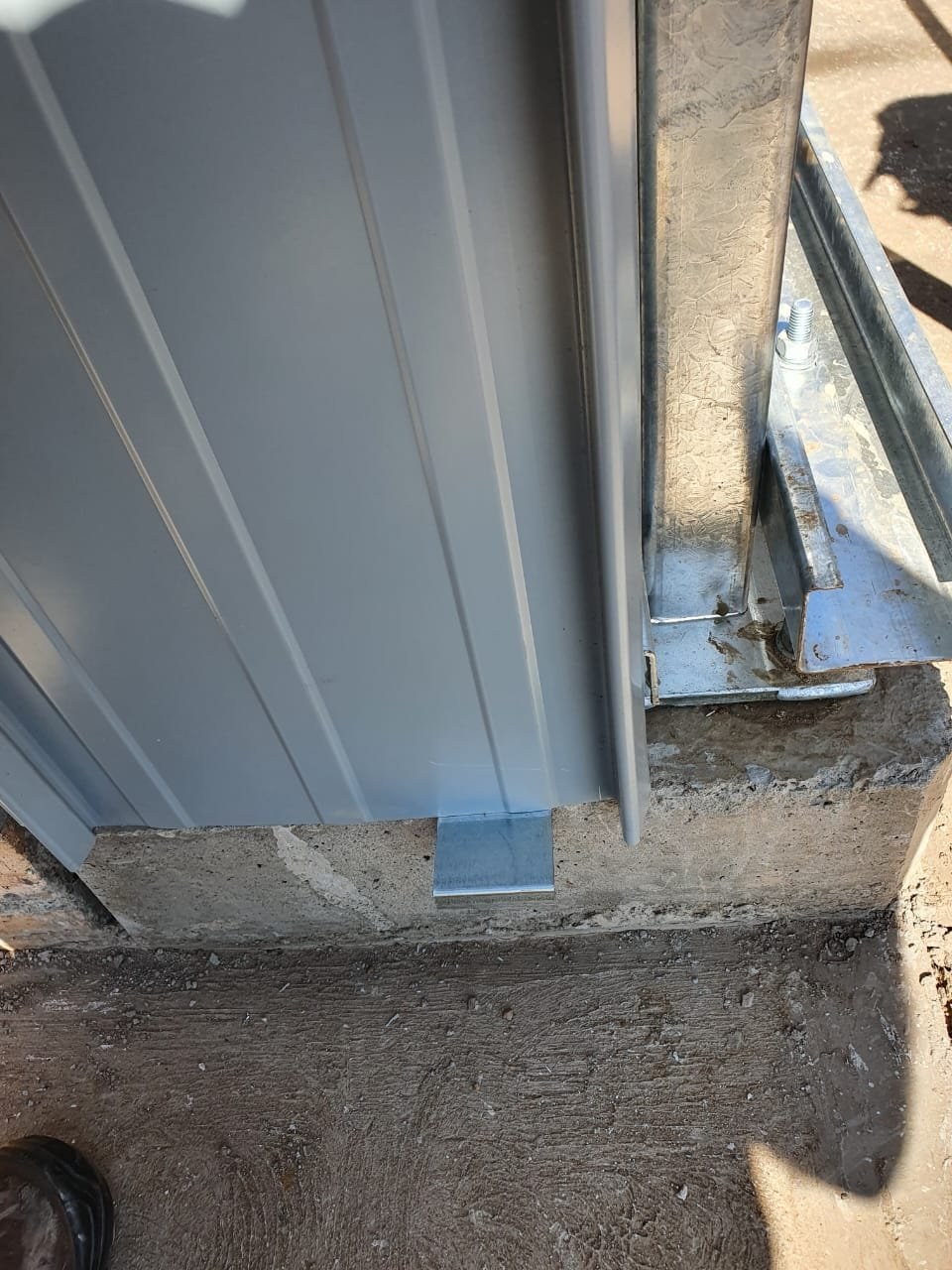
LiteClad is the bare profiled steel weatherskin — the 0.5 mm steel adds negligible thermal resistance, so no λ / R / U-value is published for the cladding on its own; insulation is provided by the substrate or by the EPS-cored NuClad composite board (separate product page). Fire ratings belong to the insulation/assembly, not the bare steel: reaction-to-fire Class B-s1,d0 (SANS 53501-1) is for the FRCel EPS core, and FR 60 min (R/E/I 60, SANS 10177-2, report FT 24/003 Issue 2, tested 2024) is for the NuClad LiteCore LSF wall assembly — do not apply either to the bare cladding. Skin gauges of 0.4 mm and 0.3 mm appear only in an internal costing sheet; the published datasheet lists 0.5 mm only. Fixing, profile by profile. CORRUGATED and IBR WIDE are through-fixed: the screw passes through the sheet and its head is visible on the finished face. CLIPCLAD and DUTCHCLAD are concealed-fix, and the detail is the whole trick: the screw is driven through the LIP of the panel, and the next panel laps over and covers that lip - so nothing is visible from outside. Fix the lip that gets covered, not the one that stays exposed. STANDING SEAM is clipped: a concealed clip is fastened to the supporting purlin, girt or batten, and the panels are seamed over it - pan, clip, next pan, then seam the three together. The sheet itself is never penetrated. Bonded core - the rule and its two exceptions. ClipClad, Standing Seam, IBR Wide and Corrugated are BARE roll-formed sheet: no glue, no bonded core, no insulation of their own. They are the weatherskin over a separate, continuous EPS layer, and they carry no R-value. The exceptions: DUTCHCLAD is SOMETIMES supplied factory-laminated onto an EPS backing, and NUCLAD always is - NuClad is laminated on one face only, Chromadek on the face, with bare EPS or a radiant barrier on the back. Where a laminated DutchClad or a NuClad is supplied, the thermal performance belongs to the EPS backing, which must be specified with its thickness. Never assume which one you have: ask. Roof use. ClipClad, Standing Seam, IBR Wide and Corrugated are roof-rated. DUTCHCLAD IS NOT - it is a wall and ABT weatherboard. NUCLAD IS NOT either: it is laminated on one face only, so it carries no weatherskin on its outer face and cannot shed water as a roof covering.
Values from Technopol technical documentation. Confirm the exact figures for your specification with Technopol.